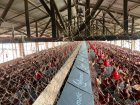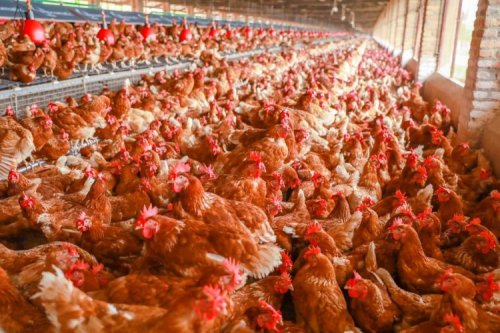
Government of Rwanda bets on private veterinarians to improve animal health nationwide
On 12 December 2025, the Government of Rwanda, through the Ministry of Agriculture and Animal Resources (MINAGRI) in partnership with the Rwanda Agriculture and Animal Resources Development Board (RAB), officially launched the Veterinary Sanitary Mandate (VSM) and the Veterinary Registration and Licensing Module, both integrated into the Agriculture Management Information System (AMIS).


The national rollout was inaugurated in Nyamasheke District, Western Province, marking a major reform in the delivery of animal health services across the country.
The newly launched initiatives aim to modernize veterinary service delivery, strengthen private sector participation, and enhance professionalism and accountability within the livestock sector. Through VSM, private veterinary practitioners are formally authorized to provide services on behalf of the public sector, addressing long-standing gaps in access, especially in rural areas. The reform aligns with national development priorities under NST2 and PSTA5, which emphasize productivity, resilience, and private-sector-led growth in agriculture
Local livestock farmers welcomed the reform, saying it responds directly to challenges they have faced for years. Marthe Bahate, a farmer from Ruharambuga Sector in Nyamasheke District, said delayed access to veterinary services had often resulted in losses.
“Many of our animals used to die because veterinarians arrived too late. Now that private practitioners can operate on behalf of the government, we expect services to be closer and faster, especially during disease outbreaks,” she said.
Similar sentiments were echoed by Munyanshongore Jean Nepomscene, a cattle and pig farmer from Wimana Cell, Ruharambuga Sector, who stressed the importance of skilled and timely services.
“What we needed most were quick services delivered by qualified technicians. This program gives us confidence that our livestock is in capable hands,” he noted.
According to MINAGRI, the Veterinary Sanitary Mandate is designed to close service delivery gaps by decentralizing animal health services while maintaining strong oversight. Thirty-four private veterinary companies have already been accredited by RAB and are authorized to operate under the VSM framework in different districts. These companies work under legally registered entities, are selected through a restricted tendering process, and are required to submit monthly performance reports to both district authorities and RAB
Veterinary professionals themselves see the reform as a turning point for the sector. Niyonsenga Festus, a private veterinary practitioner in Nyamasheke District, praised the decision to formally entrust service delivery to accredited private actors.
“This is a milestone for private veterinarians. We have been provided with essential equipment, which was one of the biggest challenges in our work. With these tools, we can now offer professional and timely services,” he said.
The launch also marked the digitalization of veterinary regulation through the AMIS Veterinary Registration and Licensing Module, developed jointly by the MINAGRI Digital Office and the Rwanda Council of Veterinary Doctors (RCVD). The platform replaces a previously manual and fragmented system, enabling efficient registration and licensing of veterinarians, accreditation of clinics and pharmacies, and strengthened compliance monitoring at the national level
Speaking at the event, the Permanent Secretary at the Ministry of Agriculture and Animal Ressources, Olivier Kamana, said the reform supports Rwanda’s broader ambition of building a knowledge-based and technology-driven agricultural economy.
“The Veterinary Sanitary Mandate is a new pathway to professionalize livestock services through collaboration with the private sector. It will improve service quality, strengthen disease prevention, and significantly reduce losses faced by farmers,” he said.
He further urged farmers to adopt professional livestock practices and to work closely with local authorities to access accredited veterinary services. Under the new system, farmers can use short-code telephone lines to quickly reach veterinarians wherever they are, ensuring timely intervention and affordable, standardized services.
To operationalize the program, each accredited veterinary practitioner in 3 districts of western province which is Nyamasheke, Rutsiro and Karongi received a professional equipment package valued at RWF 1,180,000, aimed at improving service efficiency and quality. The integration of these services into AMIS also enables real-time data collection, monitoring, and decision-making across the livestock value chain.
The VSM rollout begins with 34 accredited private veterinary companies, a 100% digital licensing and registration system, and equipment investments exceeding RWF 1.18 million per practitioner. The reform is expected to contribute to improved animal health outcomes, enhanced food safety, and reduced livestock-related losses key factors in strengthening rural livelihoods and national food security.
 Olivier Kamana, Permanent Secretary at the Ministry of Agriculture and Animal Resources
The Permanent Secretary in the Ministry of Agriculture and Animal Resources, Kamana Olivier, hands over equipment
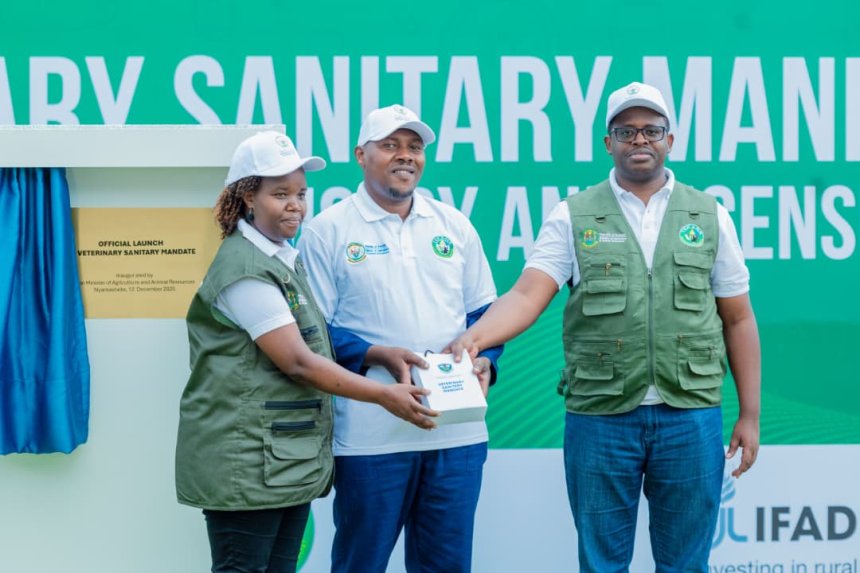 Mobile phones with short codes were provided for farmers to call whenever they need veterinary services

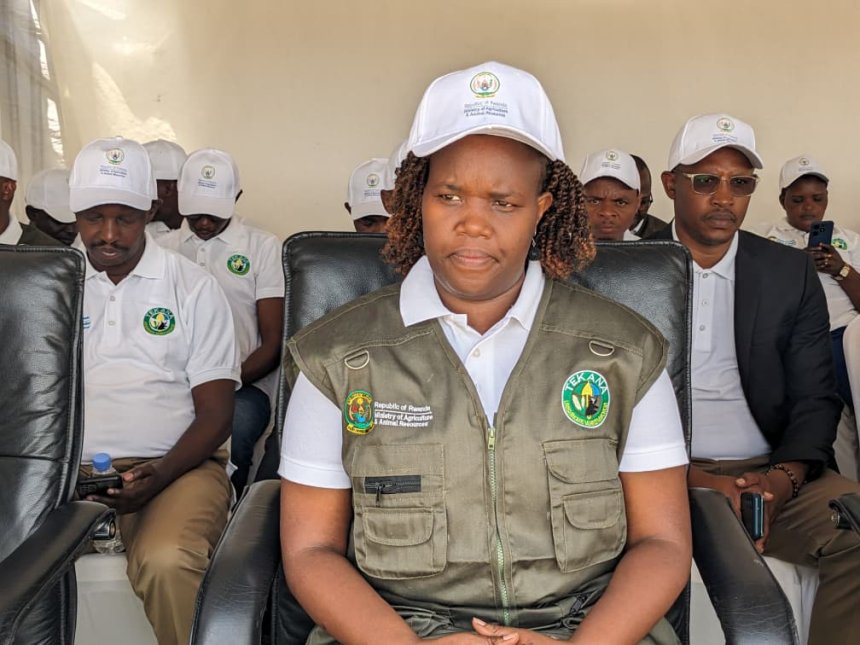 Dr. Florence Uwamahoro the Ag Director General of Rwanda Agriculture and Animal Resources Development Board (RAB)