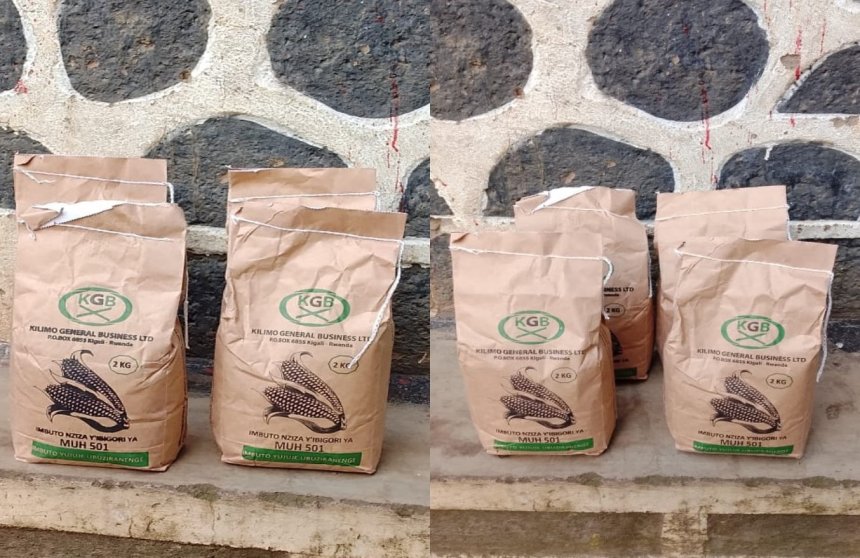
MUHABURA, the first maize seed gazetted in the Official Gazette of Rwanda
Nsengiyumva François is an agribusiness investor in Rwanda who says that fear of investing in agriculture is a mindset that must change, because agriculture is the sector with vast opportunities for innovation, job creation, and meaningful contribution to national food self-sufficiency.

He believes that anyone who invests in agriculture is placing their money in a venture with a future one that helps them develop personally while also contributing to the development of society at large.
He says: “Many people fear investing in agriculture, seeing it as exposing themselves to risk. I consider that as selfishness, and someone who is selfish has nothing. When you invest in agriculture, you invest wisely, because that is where there are opportunities to do many good things that benefit you.”
His journey in agriculture began with his service to the Government of Rwanda starting in 1997, where he had the opportunity to work with various organizations operating in the agricultural sector, which made him grow more passionate about farming. In 2007, he joined the Ministry of Agriculture and Animal Resources, where he was entrusted with leading the agricultural modernization unit.
He says that working for government gave him knowledge and experience that now form the foundation of what he does today.
“There is nothing better than working for the government: it employs you, trains you, connects you with people, and also pays you. When you leave government, you leave with many assets you can use in self-employment,” he explains.
In 2014, Nsengiyumva decided to leave government service and start working privately. He began collaborating with farmers and conducting research on maize. This led him to focus specifically on maize seed development, seeing it as a way to address the problem of low national productivity.
He says: “People should stop believing that one must only work in what they studied. Instead, they should work where there is a need, identify gaps, and see where they can contribute.”
As part of his journey, Nsengiyumva applied for improved maize seeds from CIMMYT, an international research organization that focuses on maize and wheat. Beneficiaries receive advanced seed varieties but are required to multiply them and distribute them to other farmers within a period not exceeding five years.
It was through this process that he developed a maize variety he named MUHABURA, and it was also during this period that he partnered with AGRA, the Alliance for a Green Revolution in Africa.
He says: “AGRA provided us with financial support that enabled us to conduct different seed trials, rent land for production, and work with pioneer farmers across the country.”
After three years of trials in different districts, the MUHABURA variety was submitted to the government for registration in 2019 and was officially approved in 2022. Nsengiyumva says it became the first maize seed variety to be published in Rwanda’s Official Gazette.
The MUHABURA seed yields between 10 and 12 tonnes per hectare, compared to 5 to 6 tonnes per hectare in many other production areas, while the national average maize yield currently stands at around 2 tonnes per hectare.
He says: “This shows that we can significantly increase our productivity if we have quality seeds that reach farmers on time.”
Partnership with AGRA helped strengthen their capacity in seed marketing, distribution, and the establishment of demonstration plots where farmers can learn by observing. However, he notes that the journey has not been easy, as he often faced discouragement from people who did not believe in his ideas.
“Many people supported me, but many others tried to discourage me. Without AGRA’s support, it would have been extremely difficult,” he says.
Nsengiyumva calls on the government to strengthen collaboration with private seed entrepreneurs, closely monitor them, and organize field-based training programs, especially since government institutions have many highly skilled professionals. He also proposes that seed entrepreneurs be granted access to national seed storage facilities so they can store essential genetic materials, helping to prevent losses in case of unforeseen circumstances.
Currently, MUHABURA seed, produced by KILIMO BUSINESS LTD, is available on the Rwandan market and is popular among farmers. The company has also developed three additional maize seed varieties that are approved at both national and international levels. It now operates on more than 220 hectares and produces over 1,000 tonnes of seed annually.
The journey of Nsengiyumva François demonstrates that investment in agriculture is possible, profitable, and capable of playing a major role in transforming livelihoods and the national economy.
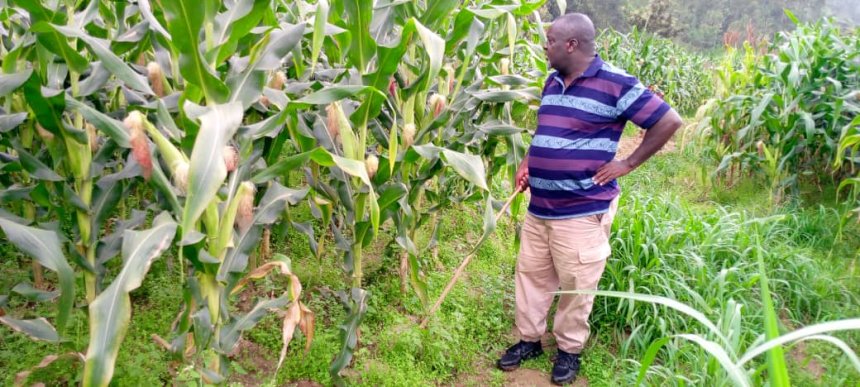 Nsengiyumva François, changing the mindset about agribusiness in Rwanda
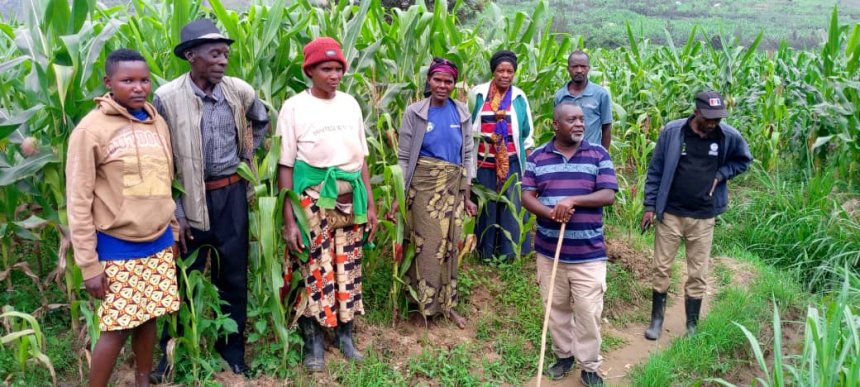 Where innovation meets farming: transforming maize production
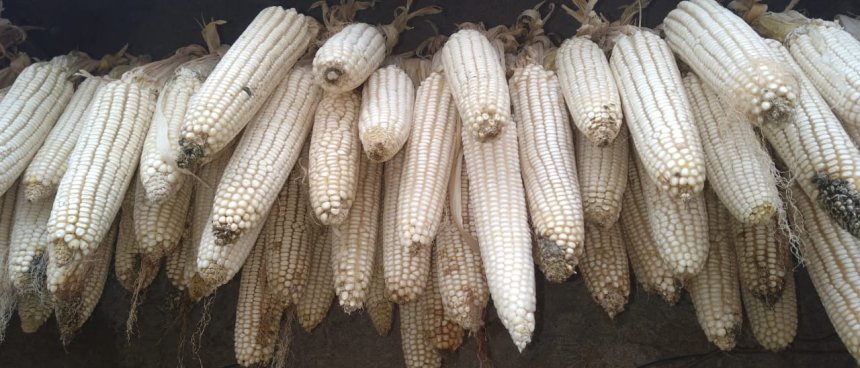 Quality seeds, higher yields, stronger food security.