Israel Embassy Launches Project to Fight Stunting in Musanze.
The Embassy of Israel in Rwanda and Yalla Yalla Group, a Rwandan agribusiness company whose members received agricultural training in Israel, have launched a Frw100 million initiative aimed at fighting child stunting and malnutrition in Musanze District.

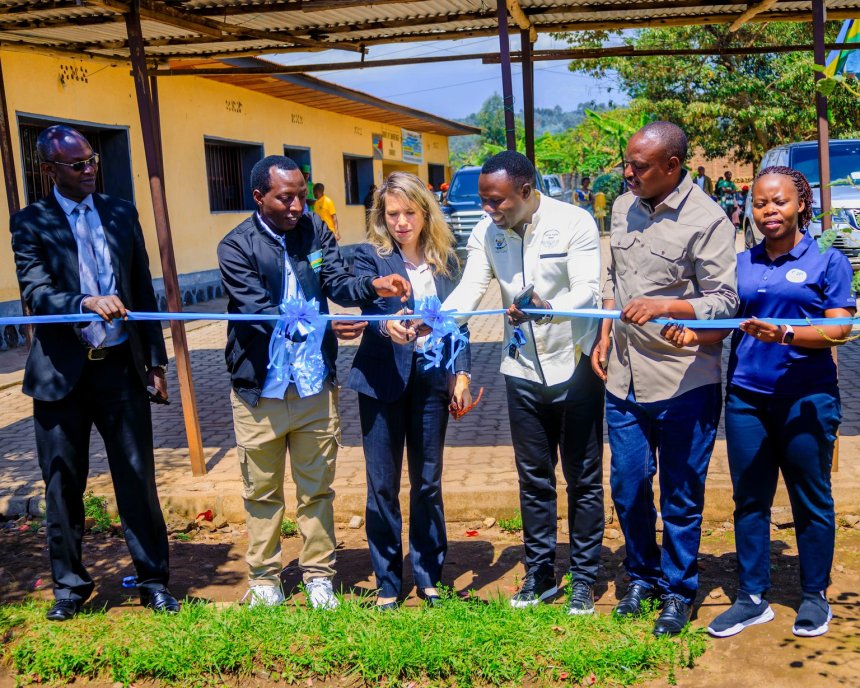
Known as the Shine Project, the initiative was launched on September 24, 2026, in Kimonyi Sector and will run until 2031, with a focus on promoting modern agricultural practices and improving household nutrition.
The launch was attended by Israel’s Ambassador to Rwanda, Einat Weiss, who said Musanze was selected after discussions with district authorities about how Israeli agricultural expertise could support efforts to tackle stunting.
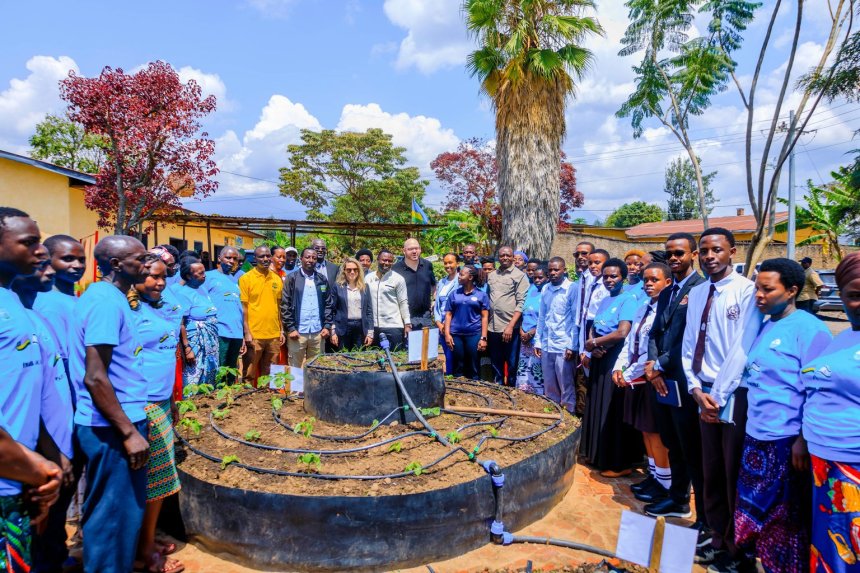
“This project is among several initiatives we will implement with Musanze District, which is considered one of the country’s agricultural production hubs but still faces challenges related to stunting and malnutrition,” Weiss said.
She said district officials had asked the embassy to help transfer Israeli agricultural knowledge and technologies to local communities as part of efforts to reduce stunting.
As part of the project, kitchen gardens have been established at the Kimonyi Sector offices to serve as demonstration sites where residents can learn practical and affordable ways of growing nutritious food.
Residents who spoke to journalists said the gardens would make it easier for them to access knowledge about modern food production and replicate the practices in their homes.
Nzabonimpa Emmanuel, a resident of Kabaya Village in Buramira Cell, Kimonyi Sector, said the area has fertile land capable of producing a wide range of crops, but some households still lack sufficient awareness about balanced diets.
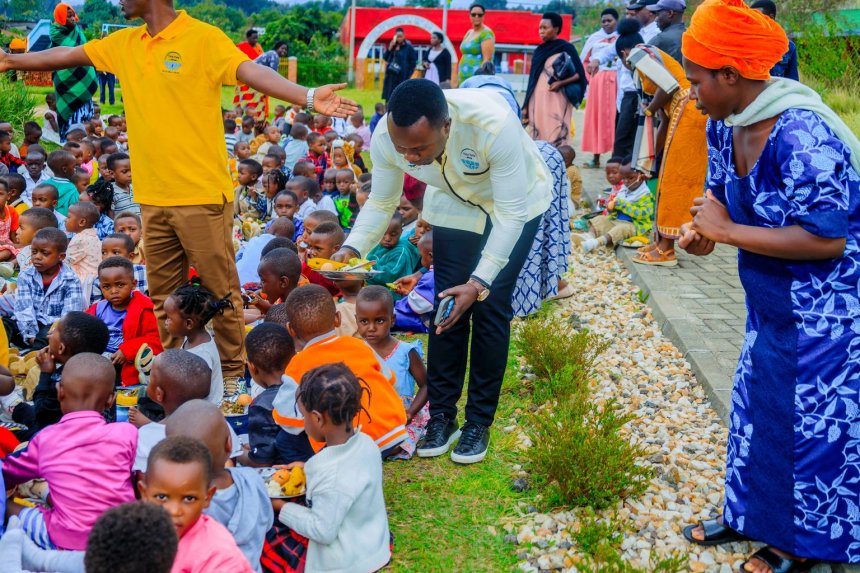
“We have good land where almost every crop can grow, but the mindset of some residents does not encourage us to eat a balanced diet. From the lessons we have learned here, we will teach residents that a kitchen garden does not require a large piece of land. You can even grow vegetables in a sack, so that no household should lack vegetables in its meals,” he said.
Yalla Yalla Group Executive Director Emmanuel Ndayizigiyesaid the organisation was pleased to partner with Israel because its members had benefited from agricultural training in the country in 2012.
He said the experience exposed them to a more market-oriented approach to agriculture, compared with the subsistence-focused farming that remains common among many Rwandan farmers.
“It is good to work with the Embassy of Israel, where we studied and gained a lot of knowledge. We found that they practice agriculture aimed at the market, whereas we were mostly practising agriculture for consumption. We are ready to contribute so that the knowledge we acquired can reach people at the grassroots and at the national level,” Ndayizigiye said.
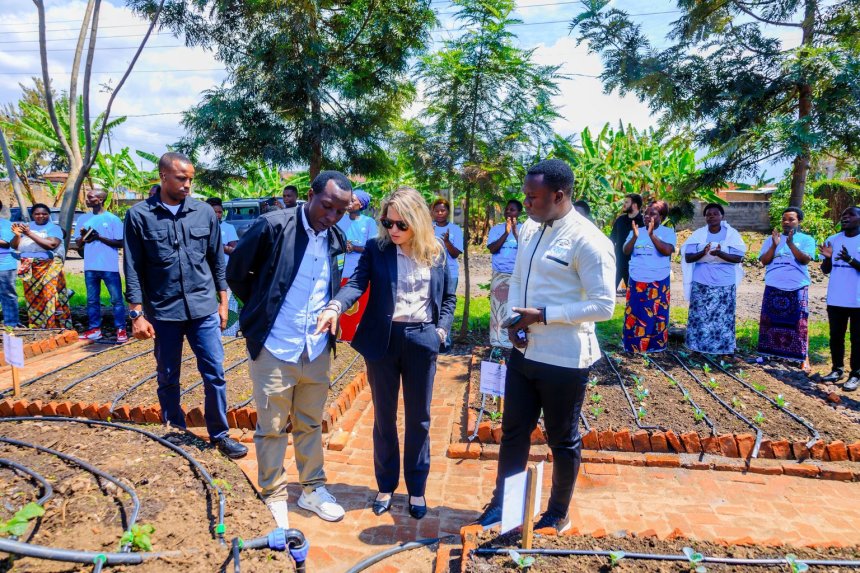
Musanze Deputy Mayor in charge of Social Affairs Kayiranga Théobald said the district had made progress in reducing stunting and expected the partnership with Israel to help accelerate those efforts.
He said data from the 2025 Rwanda Demographic and Health Survey showed that stunting in the district had fallen to 31.9%, from 45.4% in 2020, a reduction of 13.5 percentage points, according to the district's figures.
“We are confident that, through cooperation with the Embassy of Israel in Rwanda, we will reach the national target of reducing stunting to 15% by 2029,” Kayiranga said.
Nationally, the 2025 Rwanda Demographic and Health Survey found that stunting among children under five had declined to 27%, from 33% in 2020. The government’s NST2 target is to bring the rate below 15% by 2029.
Ambassador Weiss said Israel’s experience showed that limited land and challenging environmental conditions did not necessarily have to prevent a country from achieving food security when modern agricultural technologies are applied effectively.
“Israel is a small country compared with Rwanda, and much of its land is desert. But through advanced agriculture and the use of technology, it has managed to achieve food security,” she said.
She expressed confidence that if residents applied the agricultural techniques taught through the Shine Project, the initiative could make a significant contribution to reducing stunting and malnutrition in Musanze.
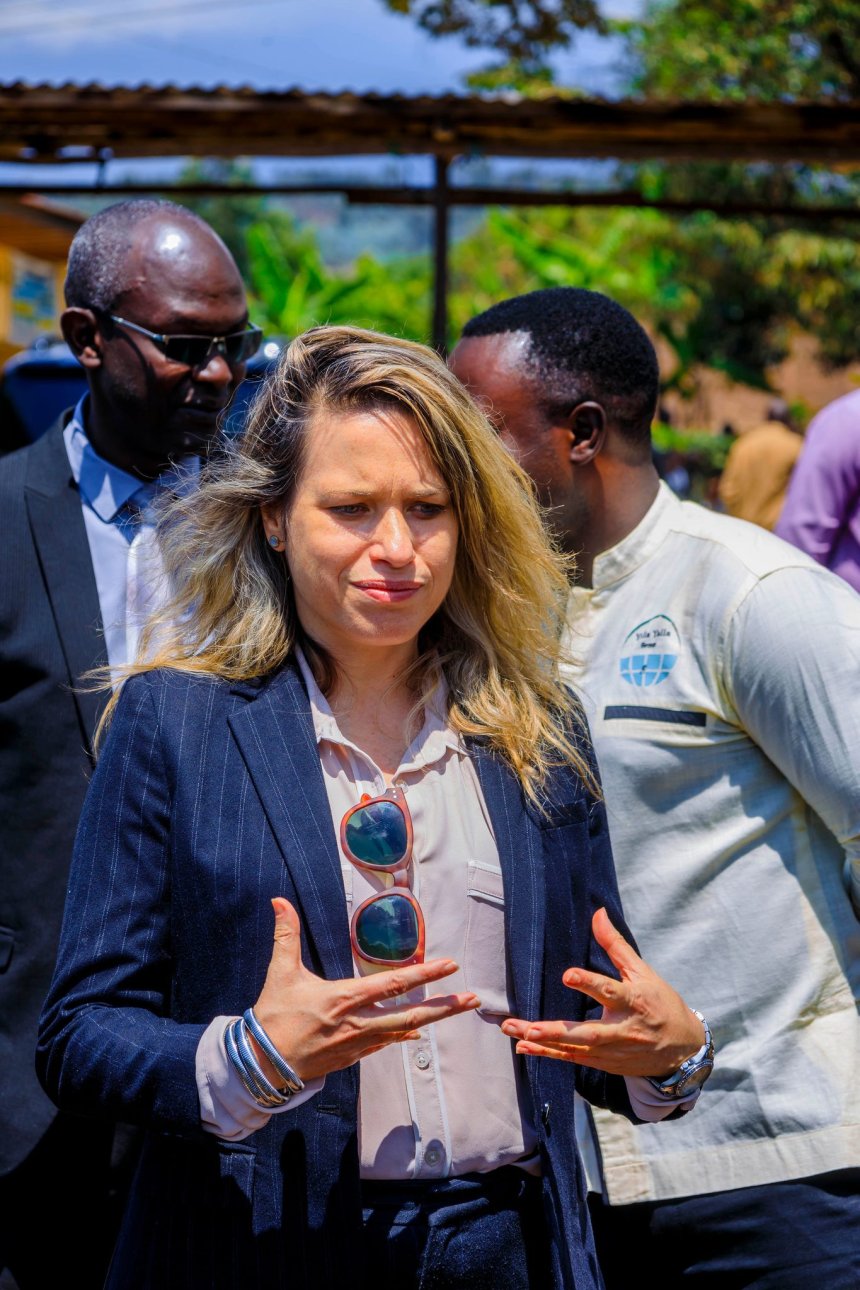
The project is expected to combine agricultural training, demonstration kitchen gardens and community knowledge-sharing as part of broader efforts to improve access to diverse and nutritious foods.
Yalla Yalla Group, which is partnering with the Embassy of Israel to implement the project, has more than 100 qualified and capable agronomists supporting the initiative. The group is confident that they will help expand the project from the five sectors of Musanze District where it started to all 15 sectors of the district.