Rwanda Advances Food Innovation Ecosystem Strategy Ahead of Continental Launch
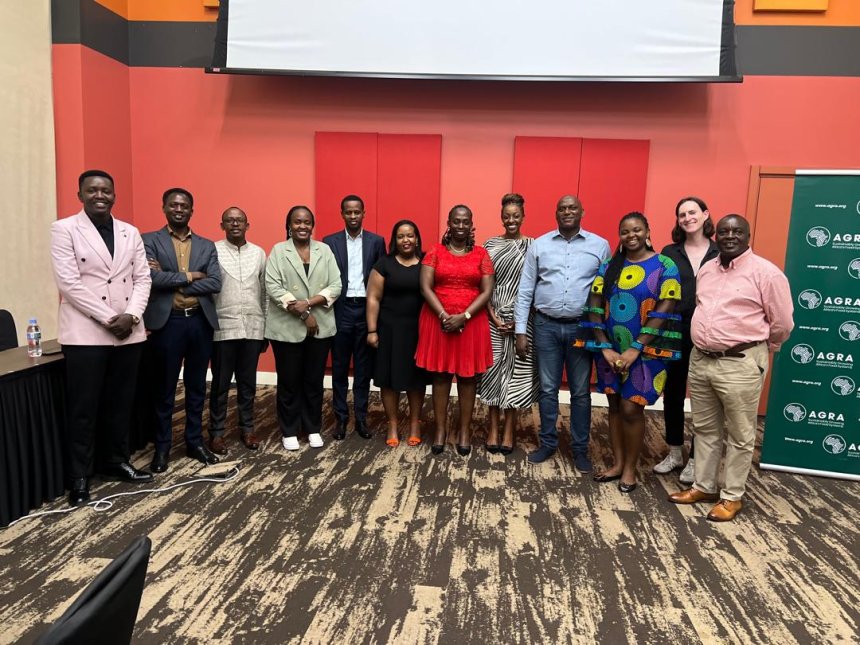
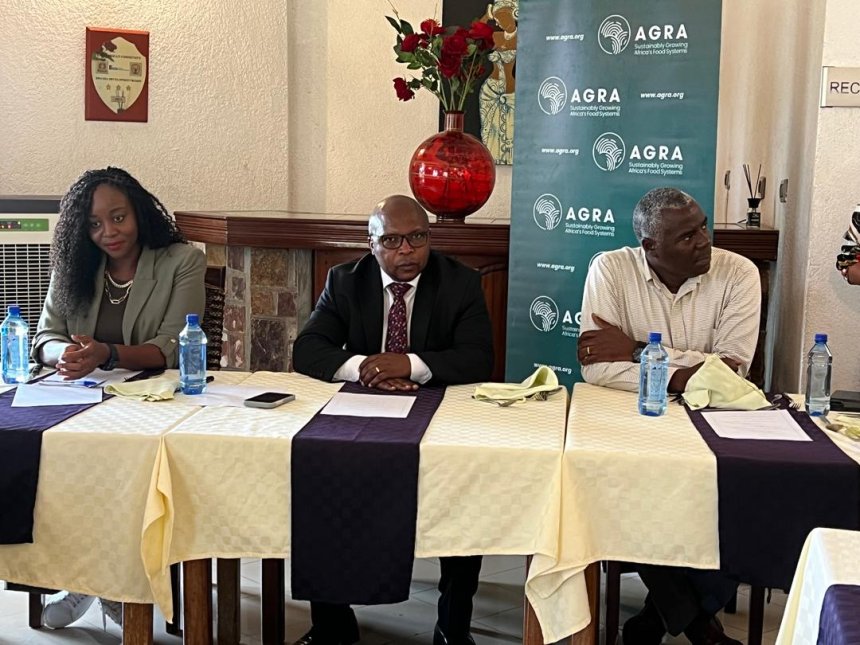
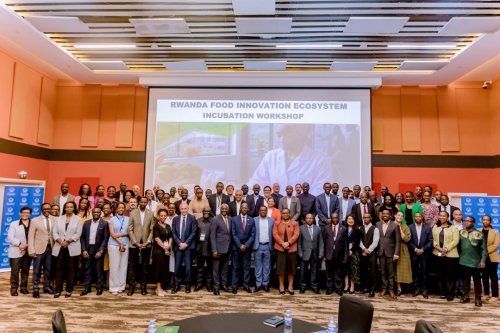
Kigali — Supported by AGRA, the Rwanda Food Innovation Ecosystem Strategy Incubation Workshop convened senior government officials, private sector leaders, researchers, civil society actors, and development partners at the Kigali Convention Centre. The high-level meeting focused on co-creating a roadmap to accelerate agri-food innovation and strengthen Rwanda’s food systems transformation agenda ahead of the Strategy’s official unveiling in September during the Africa Food Systems Forum.

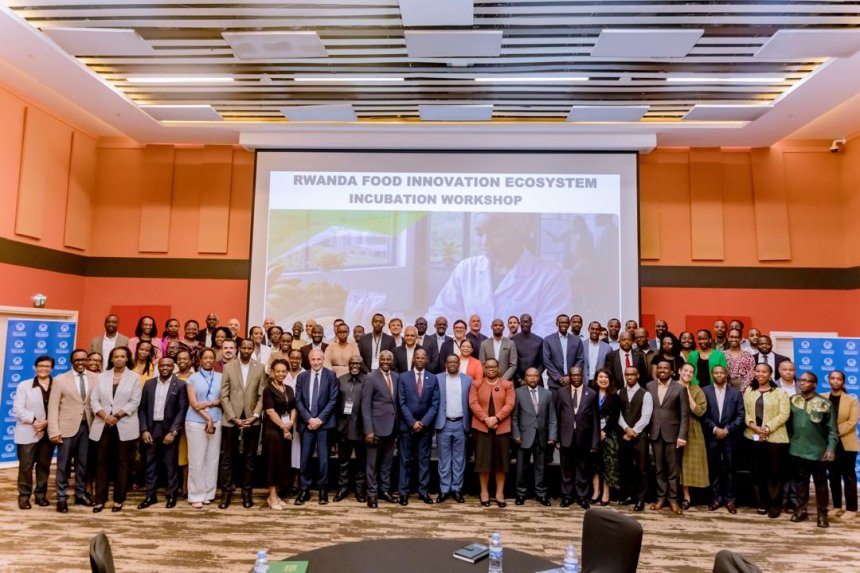
Opening the workshop, the Minister of Agriculture and Animal Resources, Hon. Dr. Telesphore Ndabamenye, described the Strategy as a major milestone in Rwanda’s ambition to position its food system as a driver of economic growth, improved nutrition, and job creation. He emphasized that innovation will be central to addressing climate change pressures, post-harvest losses, limited technology access, and low value addition.
He underscored Rwanda’s long-term vision:
“We are confident that, with the establishment of a strong and functional food innovation ecosystem, Rwanda is well-positioned to become a leading hub for food innovation in Africa.”
He further stressed the need for systemic coordination:
“Unlocking the full potential of our agri-food system requires a deliberate shift from fragmented interventions to a well-coordinated innovation ecosystem that connects research, enterprise, and markets.”
And highlighted the importance of partnerships:
“Meaningful transformation will depend on strong collaboration with the private sector, research institutions, and development partners.”
Strong Emphasis on Nutrition and System Priorities
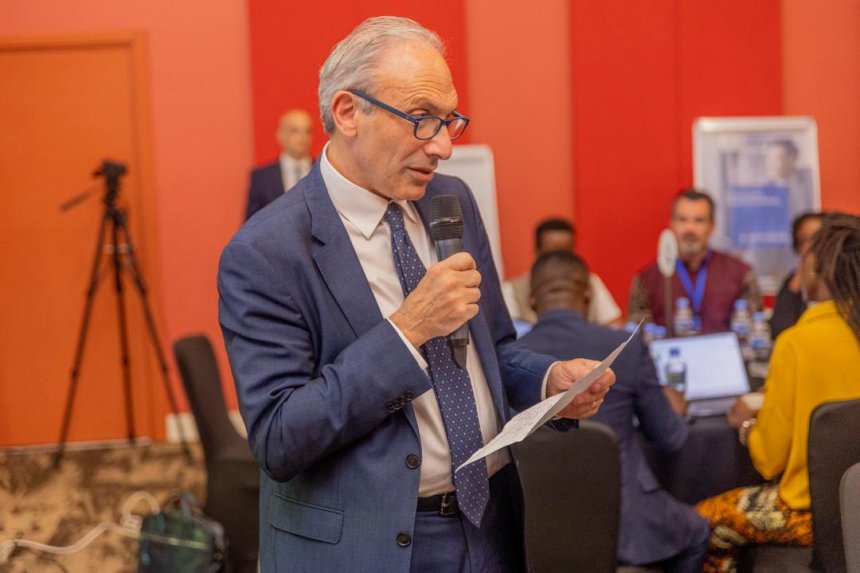
Dr. Laurence Haddad, Executive Director of the Global Alliance for Improved Nutrition (GAIN), called for nutrition to be firmly embedded as a core outcome of the transformation agenda.
“We must ensure that nutrition is not only embedded, but elevated as a core outcome of food systems transformation, with clear and measurable targets.”
He added that accountability must be strengthened across the system:
“Reducing malnutrition should not be treated as a secondary goal—it must be a central performance indicator of the entire ecosystem.”
Belinda Bwiza, CEO of One Acre Fund Rwanda, welcomed the Strategy’s direction, noting that it builds on and accelerates existing frameworks.
“The Strategy does not replace existing frameworks; it accelerates their implementation.”
She also highlighted the need for clearer operational mechanisms, particularly the proposed regulatory sandbox approach and its potential to drive productivity and innovation uptake.
AGRA Reaffirms Commitment to Ecosystem Transformation
Jean Paul Ndagijimana, AGRA Country Director for Rwanda, emphasized collaboration, inclusivity, and long-term ownership as key to successful implementation.
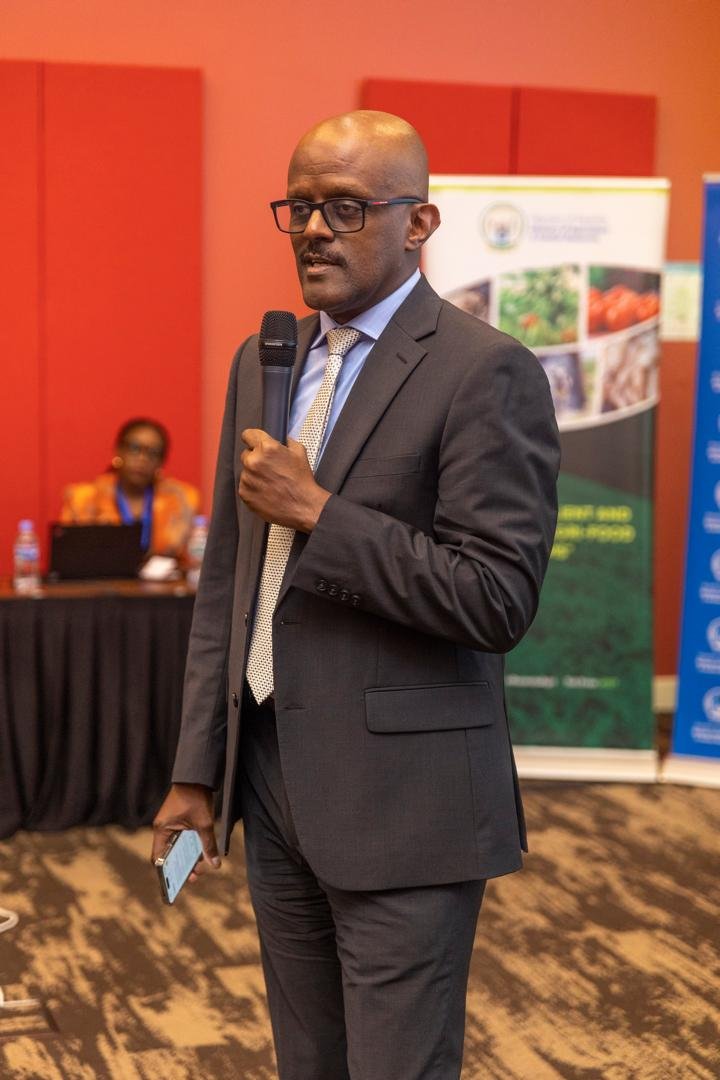
He described the transformation agenda as a shared journey:
“If we work together, we can elevate the entire food system to a different level and accelerate transformation across the ecosystem.”
He also issued a strong call for inclusion:
“Can each one of you find a space in this strategy? And if not, challenge us to create that space for you—so we move forward together as one ecosystem.”
Reaffirming AGRA’s commitment, he said:
“We are not just building a document; we are building a house where every actor must find a place and contribute to its completion.”
And added:
“We are committed to walking this journey with you—not as observers, but as active partners in implementation.
FAO Highlights Regional Opportunity and Implementation Imperative
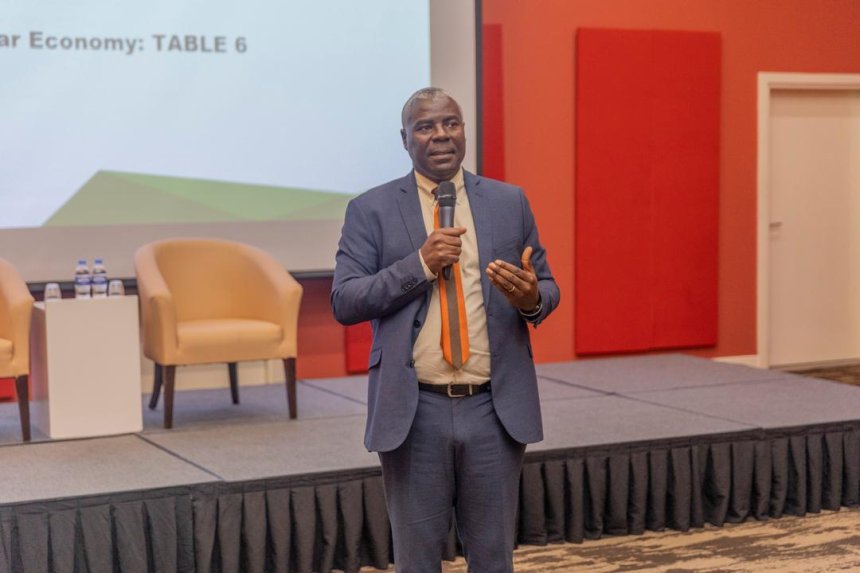
The FAO Country Director for Rwanda, Mohamed Aw-Dahir, emphasized that while the Strategy is strong and ambitious, its success will depend on execution and sustained commitment.
“The Strategy is necessary, but not sufficient. Its success will depend on strong commitment and effective implementation.”
He highlighted Rwanda’s strategic regional potential:
“Rwanda has the potential not only to transform its food systems but also to become a regional hub for livestock feed and agricultural commercialization across Eastern and Central Africa.”
He further emphasized FAO’s continued support:
“Wherever we cannot provide financial support, we will contribute knowledge, expertise, and global best practices to strengthen implementation.”
And underscored regional integration:
“Food systems transformation must go beyond borders—Rwanda is strategically positioned as a gateway to regional and continental markets.”
The workshop concluded with strong consensus that Rwanda’s food systems transformation will depend on coordinated action, inclusive innovation, institutional alignment, and sustained cross-sector collaboration.
The Rwanda Food Innovation Ecosystem Strategy will be officially unveiled in September during the Africa Food Systems Forum, positioning Rwanda at the center of continental dialogue on agri-food innovation and systems transformation.