The official launch of the Africa Food Systems Forum (AFSF) 2026 has kicked off today at the Kigali Convention Centre
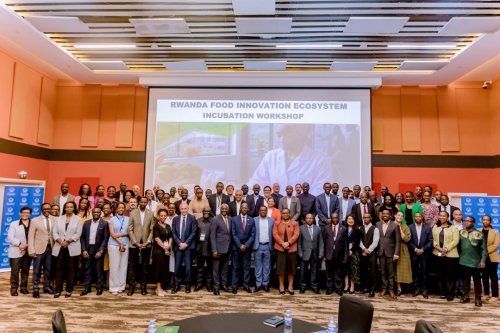
KIGALI, Rwanda – The official launch of the Africa Food Systems Forum (AFSF) 2026 has kicked off today at the Kigali Convention Centre, bringing together government leaders, development partners, private sector actors, and farmers to set the stage for one of the continent’s most influential agri-food gatherings.

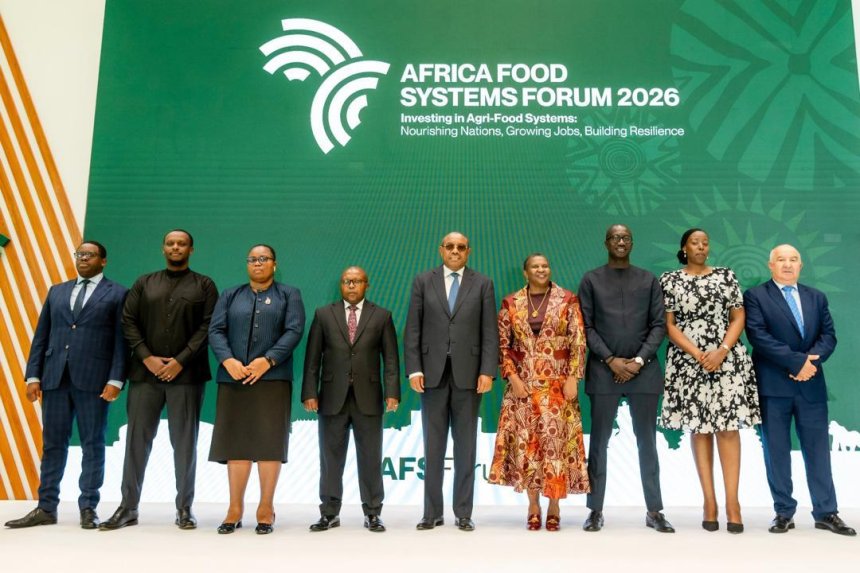
The event, organized by AGRA in partnership with the Ministry of Agriculture and Animal Resources, marks the beginning of preparations for the AFSF Summit scheduled for 1st–5th September 2026 in Kigali. This year’s edition is particularly significant as it celebrates 20 years of advancing Africa’s food systems transformation.
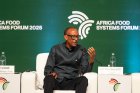
Speaking at the launch, Alice Ruhweza, President of AGRA, highlighted both the progress made over the past two decades and the urgency of accelerating action.
“We have elevated food systems on the continental agenda and mobilized partnerships at an unprecedented scale,” she said. “But too many commitments have yet to translate into real financing and action on the ground.”
She stressed the need for a fundamental shift in approach:
“The next chapter must be about delivery—moving from pledges to pipelines, from external dependence to African capital, and from symbolic inclusion to real investment opportunities for youth and women.”
Ruhweza also underscored the importance of redefining agriculture’s role:
“Farming must become a viable business, not a subsistence activity, and productivity must grow without compromising soil health and sustainability.”
Board Chair of AGRA and Chair of the AFSF Partners Group, Hailemariam Dessalegn, reflected on the Forum’s 20-year journey and its growing continental significance.
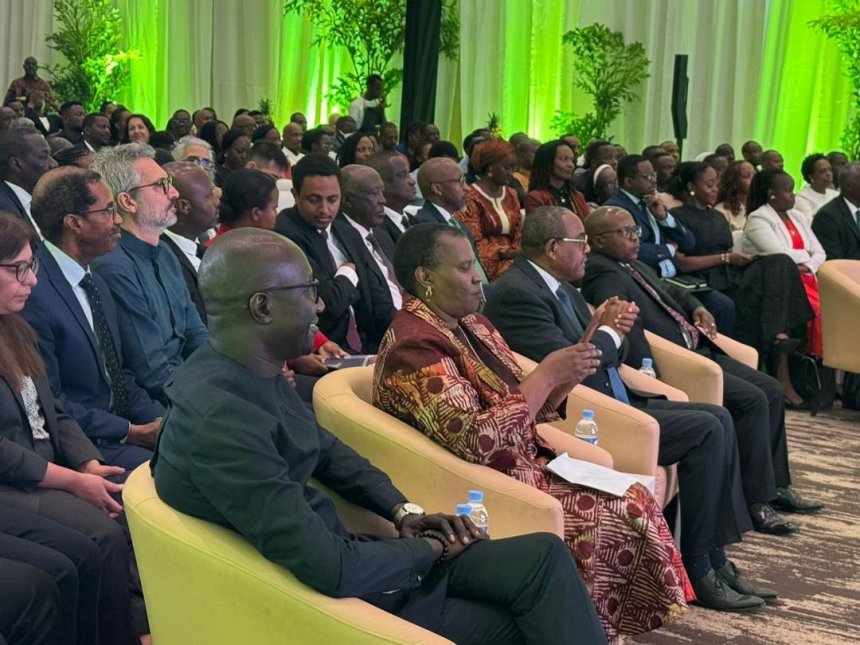
“This platform is not just another meeting—it is where the complexity of Africa’s food systems is confronted, where policy, science, and investment meet,” he said.
He warned of the urgency of the current moment:
“Africa faces a food systems financing gap of over $100 billion annually. That is not just a number—it is a call to action.”
Dessalegn emphasized the need for African ownership and leadership:
“The AFSF belongs to Africa. Its future must be financed, driven, and delivered by Africans themselves.”
Delivering the keynote on behalf of the Prime Minister, Telesphore Ndabamenye reaffirmed Rwanda’s commitment to hosting the Summit and advancing the continent’s food systems agenda.
“Investment in food systems is not optional—it is a sovereign responsibility,” he said. “The consequences of inaction—food insecurity, unemployment, and economic stagnation—are simply too high.”
He added:
“Africa is not short of capital. What has been missing is the will and the right frameworks to channel that capital into transformative food systems investments.”
Ndabamenye also highlighted the role of youth and women:
“They must not be seen as beneficiaries, but as the drivers of transformation—through real access to finance, land, markets, and skills.”
The 2026 theme—“Investing in Africa’s Agri-Food Systems: Nourishing Nations, Growing Jobs, Building Resilience”—places strong emphasis on mobilizing capital, creating jobs, empowering women, and building sustainable food systems.
As preparations begin for the September Summit, leaders called for concrete delivery plans, measurable outcomes, and stronger accountability to ensure real impact across the continent.
With over 4,500 stakeholders expected, the AFSF 2026 Summit is set to shape the next decade of Africa’s food systems transformation—one defined not just by ambition, but by action.
End