Empowering Youth, Building Sustainability: The YEFFA Impact
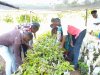
AGRA Director of Gender, Youth and Inclusiveness, Nana Yaa Boakyewaa Amoah, made a one-day field visit to Gatsibo District, where she engaged youth agripreneurs—children of members of the renowned Ntende Cooperative, a rice growers’ cooperative whose investments have reached RWF 5 billion, including a two-star hotel.

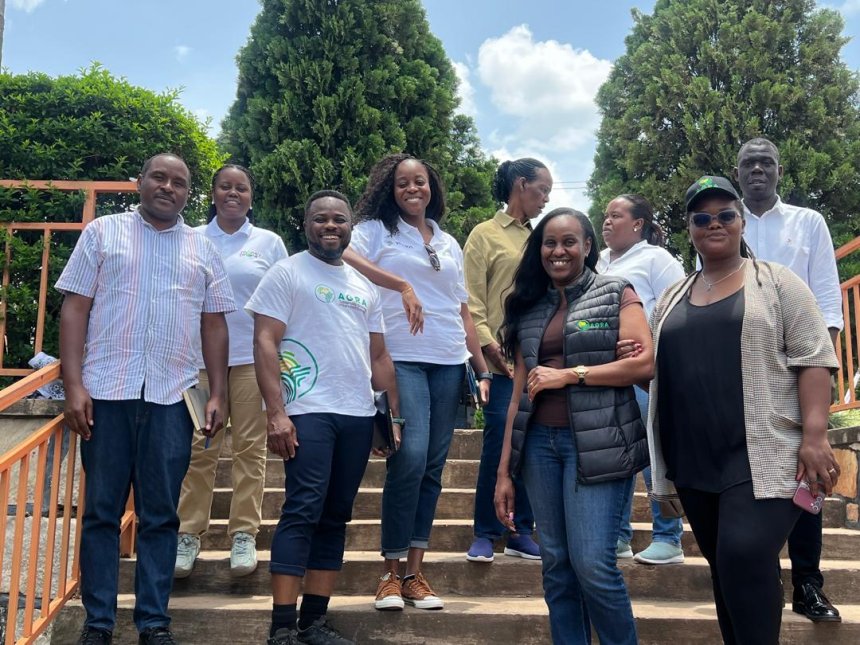
The visit brought together young beneficiaries of the YEFFA programme supported by Africa Development Consultant Ltd, which provides business development services including training, coaching, business incubation, and linkages to finance and markets.
Speaking during the engagement, Nana stressed the importance of listening directly to youth, especially young women:
“We want to hear your journey—what is working and what challenges you face, particularly as women in agri-food systems.”
The president of the cooperative, Munyaburanga Emmanuel, highlighted the cooperative’s vision of sustainability:
“We put our children together to equip them with skills so they can create jobs and eventually take over the cooperative, which gives hope for sustainability.”
Youth voices: progress and challenges
Participants openly shared both achievements and gaps in support.
Habimana Fidel, alongside his wife Tumukunde Lilian, emphasized the need for more flexible financing and improved farming support:
“We should be given extended time to repay loans so we don’t rush to sell our produce. We also need more training in agriculture practices. The first season had poor weather, leading to low yields—we prefer repayment over one year instead of six months.”
Ndacyayisenga Serverien called for more practical skills:
“The training is not sufficient—we need technical skills, especially in poultry. What we received was mainly in business development.”
Empowerment through Akazi Kanoze Access
The visit also extended to youth and women groups supported by Akazi Kanoze Access under the YEFFA programme through the “Work Readiness Now” and “Be Your Own Boss” trainings.
Fadhila Modeste, a teacher and leader of the AYEP (Agro Youth Empowerment Project) group, described how the programme transformed their mindset and livelihoods:
“Our group started by renting land to grow cabbage. We were trained in saving—we keep money securely before depositing it in the bank. After the training, it’s like our eyes opened. I no longer rely only on my teaching salary—I combine it with farming.”
He added:
“We invested RWF 450,000, sold to one of our members for RWF 700,000, and she later made RWF 1.2 million. However, lack of irrigation remains a challenge.”
Nyirabizeyimana Annonciata shared her personal growth:
“I invested RWF 50,000 and earned RWF 200,000 in three months. Before, I didn’t know how to record expenses and profits, but now I do. I also started with 30 chickens—now I have 100.”
From small capital to growing enterprises
Clarisse Mukamutsinzi highlighted how training unlocked her entrepreneurial journey:
“I started with RWF 250,000 from my husband and family. After YEFFA training in 2024, I opened a small shop and now earn about RWF 100,000 after expenses. I plan to expand and buy land.”
Nzabonariba Jean Providence also shared his transformation:
“The training helped me understand how to manage money and start income-generating activities. I began with RWF 20,000, borrowed from the savings group, and now my capital has grown to RWF 200,000.”
Scaling up in agroforestry
Mukashyaka Nadia, a member of the Twiteze Imbere group, demonstrated remarkable progress in agroforestry:
“After training by Akazi Kanoze, I started a nursery using savings group loans. In July 2024, I produced 16,000 trees at a cost of RWF 150,000 and earned RWF 755,000.”
She added:
“In 2026, I produced 22,841 trees, selling each at RWF 75 and earning over RWF 2.2 million. My plan is to expand and supply more areas, but I always secure the market first.”
A pathway to transformation
The one-day field visit highlighted the tangible impact of YEFFA in empowering youth—especially young women—with skills, confidence, and access to opportunities. At the same time, it underscored persistent challenges, including access to finance, technical training, and irrigation.
As Nana concluded her engagements, the message was clear: youth voices are central to shaping inclusive and sustainable agri-food systems in Rwanda.