The Man They Once Called the Owner of “Inkotanyi Money”
They once accused him of having “Inkotanyi money.” Not because he had stolen it. But because they could not imagine that a young man from rural Nyagatare could build wealth through determination and hard work.

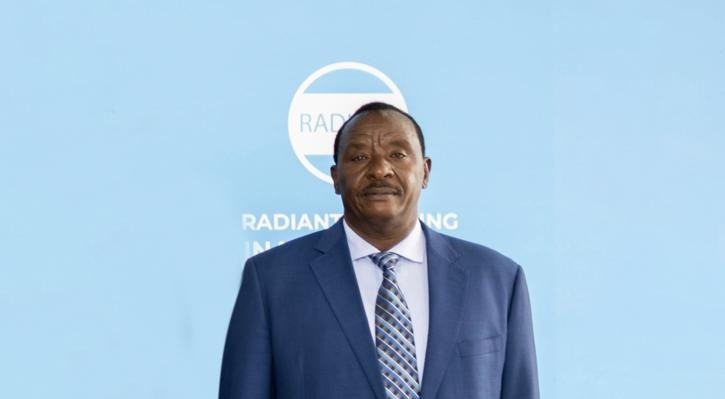
Today, Faustin Kashugera is known as one of Rwanda’s notable entrepreneurs, with investments in companies such as Radiant Insurance, the CHIC building in Kigali’s city center, and Epic Hotel in Nyagatare. Yet his journey to success began in the most humble way possible — with a single cow and a small sack of salt.
From One Cow to a Business Dream
Kashugera grew up in Nyagatare in Eastern Rwanda, in a family that depended largely on cattle keeping. Like many parents in rural Rwanda, his father believed in preparing his children for the future through livestock.
He gave Kashugera five cows.
Instead of keeping them all, the young Kashugera sold one cow and used the money to buy a sack of salt worth 1,550 Rwandan francs. He sold the salt at a profit and reinvested the earnings.
That simple trade became the beginning of his entrepreneurial journey.
Soon he bought a bicycle and began traveling between villages selling banana wine (urwagwa). Business grew steadily, and one bicycle turned into many. Before long, Kashugera owned 17 bicycles, all used to expand his trade across nearby communities.
As his profits increased, he upgraded from bicycles to motorcycles and later ventured into small-scale currency exchange and retail trade. Eventually, he purchased a Daihatsu pickup truck, using it to transport agricultural products to Kigali and bring clothing back to Nyagatare.
When Success Became Suspicious
But in those years, a young man becoming wealthy in rural Rwanda often attracted suspicion.
Kashugera’s business activity and growing financial success caught the attention of government spies. They noticed his frequent trips between Nyagatare and Kigali and began monitoring his movements.
Strangers would often approach him asking for rides to Kigali or Nyagatare. Some of them, he later learned, were informants.
One day, security agents arrested him.
They interrogated him about the source of his money.
Kashugera explained that his capital came from cattle his father had sold and given him to start his business.
The agents refused to believe him.
Instead, they accused him of receiving financial support from the Inkotanyi, the rebels who would later lead Rwanda’s liberation struggle.
“They told me my money was ‘Inkotanyi money,’” Kashugera later recalled.
Blindfolded, he was taken to several detention locations in Kigali — including Gikondo, Nyamirambo, Muhima, and even near the former presidential offices in the city center.
Eventually he was released. Rather than giving up on business, Kashugera decided to move his operations to Kigali and continue working.
Building a Lifetime in Business
That decision changed everything.
Over the years, Kashugera expanded his business activities and formed long-term partnerships. One of the most significant has been with Bralirwa, Rwanda’s leading beverage company.
For 37 years, he has worked as one of the company’s distributors, a role that eventually required him to invest in large trailer trucks to manage deliveries.
In total, Kashugera has now spent 47 years in business.
Despite his success, he believes the rules of business remain simple.
“Business speaks,” he often says. “You only need to listen carefully to what it tells you.”
According to him, success is built on honesty, discipline, and saving money wisely.
Honoring His Father’s Legacy
Behind Kashugera’s achievements lies a deep respect for his father.
Before passing away, his father gave him one important piece of advice: never abandon cattle.
Kashugera kept that promise.
Today, he still owns cattle descended from the herd his father once raised. In fact, he even moved his father’s grave closer to his pasture — a symbolic gesture that reflects his strong connection to his roots.
He says that spending time among those cows gives him more satisfaction than any business deal.
A Message to the Next Generation
Kashugera also has a direct message for Rwanda’s youth.
He believes success requires discipline and effort — something he feels many young people underestimate.
“Many youths today are lazy,” he says candidly. “They focus on sleeping instead of working. In the 47 years I have been in business, the time I spent sleeping is very small.”
His advice is simple: respect work and avoid shortcuts.
Wealth Beyond the Individual
Despite building a successful business career, Kashugera believes wealth is never purely personal.
For him, money should contribute to national development.
Pointing to a glass of water during one interview, he once said:

“This water we are drinking — that is ours. But money belongs to the country.”
The buildings he helped construct, he says, are not just private property but part of Rwanda’s national pride.
“They are the beauty of the country.”
And perhaps that is the greatest twist in his story.
The man once accused of having “Inkotanyi money” eventually used his success to help build the very nation that accusation once tried to silence.
End