Rwanda Urges UN to Address FDLR Threat for Lasting Great Lakes Peace.
Rwanda has told the United Nations that lasting peace in eastern Democratic Republic of Congo and the wider Great Lakes region will require addressing the continued threat posed by the FDLR.

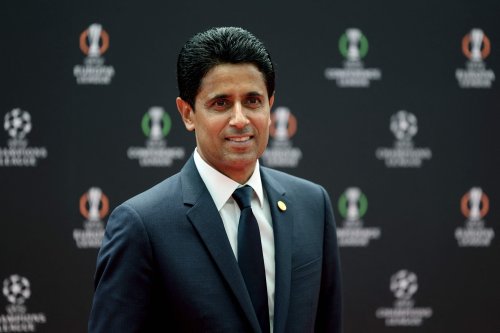
Prime Minister Justin Nsengiyumva, representing President Paul Kagame at the 81st United Nations General Assembly in New York, said the international community had failed for more than three decades to adequately address the underlying causes of insecurity in the region.
He called for stronger preventive action by the United Nations, arguing that the organisation has often focused on responding to crises after they emerge rather than preventing them.
“Often, the United Nations has been seen putting more effort into addressing problems after they have emerged than into preventing them before they happen. This is evident in areas such as pandemics, climate change and the misuse of technology, and prevention does not cost more than dealing with conflicts,” Nsengiyumva said.
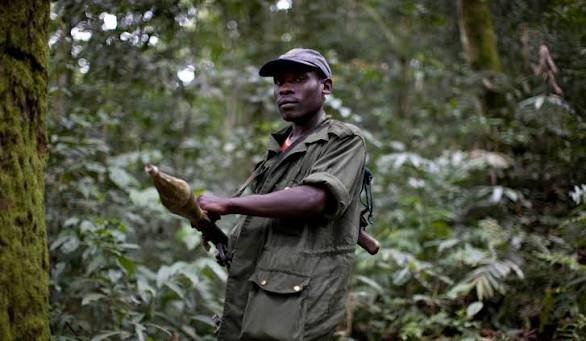
He cited eastern DR Congo as a clear example, saying the FDLR had spread genocidal ideology, committed acts of violence in eastern DR Congo and sought to threaten Rwanda’s security through cross-border attacks.
“The eastern part of the Democratic Republic of Congo is a clear example. For more than 30 years, the FDLR has spread the ideology of genocide, committed numerous acts of violence in eastern DRC and repeatedly sought to destabilise Rwanda through cross-border attacks,” he said.
Rwanda considers the FDLR a security threat because the group includes individuals accused of involvement in the 1994 Genocide against the Tutsi. The group has also been accused of abuses against civilians in eastern DR Congo, including members of the Banyamulenge community and Kinyarwanda-speaking Tutsi communities.
Nsengiyumva further alleged that the FDLR currently operates alongside forces of the Congolese government, Burundian forces, armed groups backed by Kinshasa and mercenaries. He said such cooperation contravenes international and continental agreements governing the use of mercenaries.
The Prime Minister, however, said the conflict in eastern DR Congo could not be resolved through military means alone and required a political solution addressing its underlying causes.
“This did not happen suddenly as it has today. The causes of the conflict in eastern DRC are political, and they stem largely from long-standing underlying issues that leave people insecure, marginalised and poorly governed. The solution, therefore, must be political,” he said.
Rwanda, he added, supports ongoing diplomatic efforts aimed at achieving lasting peace in eastern DR Congo, including the Washington Agreement between Rwanda and the government of DR Congo and the Doha Agreement between the Congolese government and the AFC/M23.
Nsengiyumva thanked US President Donald Trump, Qatar’s Emir Sheikh Tamim bin Hamad Al Thani and Togo’s President Faure Gnassingbé, who serves as the African Union-appointed mediator, for their continued efforts to help resolve the conflict.
He said Rwanda remained committed to doing everything possible to ensure that countries in the region coexist peacefully, strengthen trade and share opportunities for development.
“Rwanda calls on all concerned, including the United Nations Security Council, to support impartially all ongoing efforts aimed at achieving lasting peace in the region and to encourage all parties to demonstrate the necessary commitment and determination to resolve this issue quickly,” Nsengiyumva said.
He stressed that sustainable peace would not be possible without addressing the underlying causes of the conflict and listening to the concerns of those affected.
“There can be no peace without examining the known causes that led to the conflict and listening to the concerns of those affected by it,” he said.
Nsengiyumva also urged the United Nations to strengthen its approach to conflict prevention rather than relying primarily on interventions after crises have already erupted.
He argued that prevention should go beyond security and conflict management to include tackling poverty, economic challenges and exclusion from opportunities.
The Prime Minister said addressing these structural issues would be essential if the international community is to prevent future crises and build lasting peace.