AGRA at 20: High-Level Roundtable Reflects on Two Decades of Seed Systems Transformation in Africa
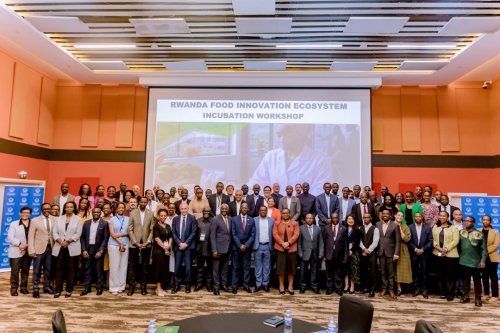
KIGALI, RWANDA – June 11, 2026 – Government leaders, researchers, seed companies, farmers’ organizations, development partners, and financial institutions gathered today at the Kigali Convention Centre for the #AGRAat20 High-Level Roundtable on Seed Systems Transformation in East and Southern Africa.


The roundtable marked 20 years of progress in strengthening Africa’s seed systems and setting priorities for more resilient, competitive, and farmer-centered seed sectors.
Opening the discussions, Minister of State in the Ministry of Agriculture and Animal Resources, Dr. Solange Uwituze, commended AGRA for its contribution to agricultural transformation across the continent.

“Quality seed is the foundation of agricultural transformation. Without quality seed, it is impossible to achieve higher productivity, climate resilience, food security, commercialization, and competitiveness,” she said.
She further emphasized Rwanda’s ambition to strengthen its position in the regional seed economy.
“Rwanda is investing in modern infrastructure, regulatory reforms, and international accreditation systems to become a trusted hub for seed production, testing, certification, and trade in the region,” she noted.
Dr. Francis Mwatuni, Lead for Seed Systems Analysis and Knowledge Resources at AGRA’s Centre of Excellence for Seed Systems in Africa (CESSA), highlighted that Africa’s seed systems transformation is increasingly driven by evidence-based planning and systems thinking.
“Policy is key because it affects all components of the seed system,” he said, stressing that sustainable transformation requires coordination across breeding, production, distribution, and markets.
He added that the future of seed systems depends on scale and coherence.
“Africa’s challenge is no longer awareness, but scale and systems coherence—linking research, policy, and markets into one functioning ecosystem,” he noted.
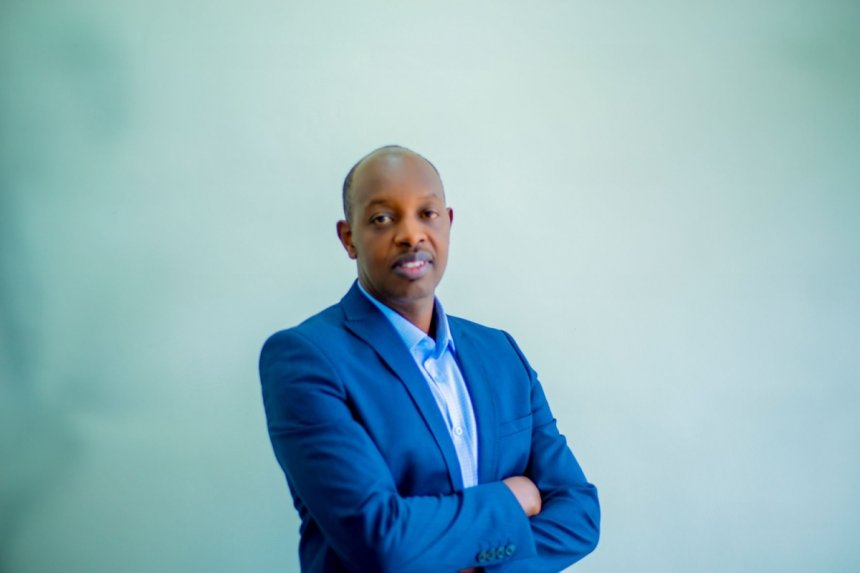
Representing the financial sector, Arsene, Senior Manager for the Agriculture Portfolio at BRD (Rwanda Development Bank), highlighted the importance of innovative financing mechanisms in accelerating agricultural transformation and supporting seed enterprises.
Drawing on BRD’s experience implementing blended finance initiatives, he emphasized that agriculture has proven to be a viable sector for investment when supported with the right financial instruments, technical assistance, and risk-sharing mechanisms.
“Agriculture is a sector worth investing in. Through targeted financing and partnerships with commercial banks, microfinance institutions, and SACCOs, we have demonstrated that agricultural investments can generate impact while building sustainable businesses,” he said.
He called for stronger collaboration among governments, financial institutions, development partners, and the private sector to design solutions that intentionally support seed companies and agribusiness entrepreneurs.
There is valuable knowledge and experience across government, financial institutions, and development partners. The next step is to work together to design solutions that intentionally support seed companies and accelerate growth across the sector,” he added.
The discussion also featured reflections from private sector actors, including Norah Kamashazi, CEO of Bold Seeds Ltd, who shared her entrepreneurial journey and the role AGRA played in helping grow her business.
Starting as a young entrepreneur with limited experience and confidence, Kamashazi said AGRA’s support through grants, capacity building, mentorship, and exposure visits helped transform both her business and mindset.
“I started with fear. AGRA gave us funding, but more importantly, they gave us the confidence and knowledge to use it effectively. Today, I can walk into a bank and secure financing to expand my business,” she said.
Kamashazi explained that the support enabled her to build a stronger enterprise, acquire storage facilities and transport equipment, and gain access to commercial financing that once seemed out of reach.
“The training, mentorship, and exposure visits changed my mindset from fear to growth. Today I have a warehouse, transport equipment, and access to finance. I am proud to be building a successful seed business as a woman entrepreneur,” she added.
AGRA Rwanda Country Director, Jean Paul Ndagijimana, reflected on Rwanda’s progress in transforming its seed sector.

“We have moved from a system where farmers saved seed from one season to another to one where improved and hybrid seeds are increasingly available and adopted,” he said.
He highlighted that improved seed adoption in Rwanda has grown from below 20% to nearly 50%, driven by stronger private sector participation and coordinated investments.
“Our ambition is not only to meet Rwanda’s seed needs but to position Rwanda as a regional seed exporter,” he added.
Dr. Mwatuni further noted that across Africa, investments in structured seed systems have led to significant gains in seed company growth, improved agro-dealer networks, and reduced seed supply gaps in several countries, including Rwanda.
He emphasized that SeedSAT-based diagnostics and national seed investment plans are now guiding reforms in multiple countries, helping governments prioritize investments and align public and private sector efforts.
As AGRA marks 20 years, participants agreed that Africa’s next phase of seed systems transformation will depend on stronger institutions, evidence-based investments, improved access to finance, and inclusive partnerships that ensure farmers access high-quality, climate-resilient seed at scale.