U.S.–Iran Peace Deal Raises Hope for Lower Fuel and Transport Costs
Kigali, Rwanda — The emerging U.S.–Iran peace framework, brokered through Swiss-led talks in Geneva, is raising global hopes of easing prices in fuel, fertilizers, air transport, and shipping after months of disruption linked to conflict in the Middle East.


The tensions escalated in early 2026 and disrupted the Strait of Hormuz—through which nearly 20% of global oil trade passes—triggering a sharp rise in global energy and logistics costs.
Brent crude climbed from an average of about $75 per barrel to peaks of $105–$115 per barrel, pushing fuel prices up by 30%–45% in many importing countries. Fertilizer costs increased by 25%–40%, shipping insurance premiums surged by up to 200%, and air transport costs rose by 20%–35%, contributing to broader inflation across global markets.
Following the peace framework, oil prices have eased toward $85–$90 per barrel, with markets pricing in a potential 10%–15% further decline if stability holds. However, analysts warn that relief will be gradual due to delayed supply chains and pre-existing high-cost contracts.
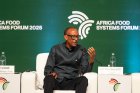
Speaking on KP Media Podcast, Shyaka Michael, CEO of Afri Global, said the deal is “good news for global price stabilization,” but cautioned that Rwanda will not feel immediate relief.
“For Rwanda, it may take months. Goods already purchased at higher prices are still in circulation,” he said.

He added that prices are unlikely to return fully to pre-war levels due to structural damage in global logistics systems, particularly in Gulf re-export hubs such as Dubai.
Shyaka also urged African countries to invest in energy resilience “Solar and alternative energy are no longer optional—they are survival tools.”
Conflict background and global impact
The war began on 28 February 2026, following escalating military tensions between Iran and the United States over regional security and nuclear-related disputes.
By mid-2026, the conflict had resulted in significant losses, with over 3,000–5,000 reported fatalities across military and civilian populations in the broader escalation zone, according to early conflict monitoring estimates.
The disruption of global oil flows through the Strait of Hormuz led to a World Bank-assessed global growth downgrade of approximately 0.3 to 0.6 percentage points, driven by higher energy prices, increased transport costs, and reduced trade efficiency. Inflation pressures also intensified in import-dependent economies, particularly in Sub-Saharan Africa.
From Kigali, the agreement is being viewed as a positive global signal, though any reduction in fuel prices and transport costs is expected to be gradual rather than immediate.
https://youtu.be/hTwEgoKTTHY?si=euw4Uu1Uwge3Ejah