Gorilla Conservation Must Go Hand in Hand with Community Wellbeing: PM Nsengiyumva.
Rwanda’s efforts to protect biodiversity, including the mountain gorillas of Volcanoes National Park, must go hand in hand with improving the wellbeing of communities living around the park, Prime Minister Justin Nsengiyumva has said.

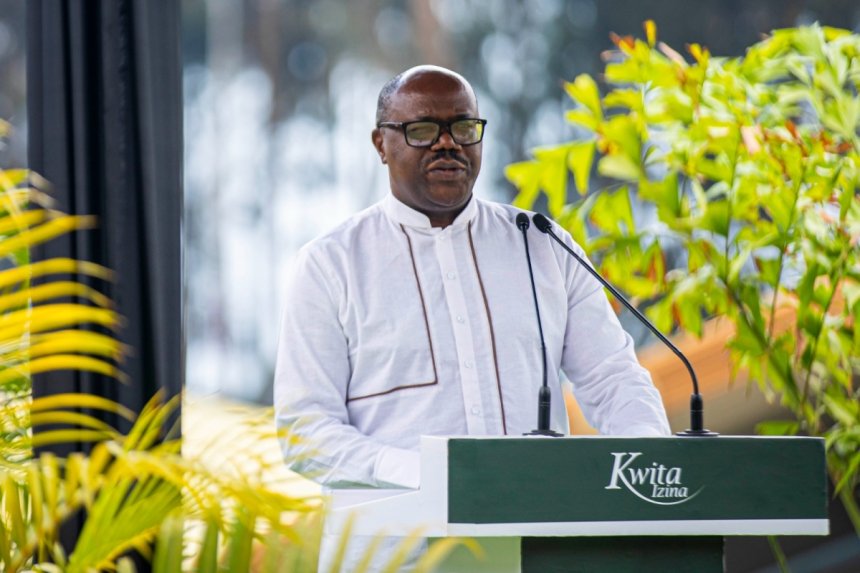
He made the remarks on Friday, September 4, 2026, in Kinigi, Musanze District, Northern Province, during the 21st edition of Kwita Izina, Rwanda’s annual gorilla naming ceremony. The event brought together thousands of Rwandans and international visitors to celebrate 22 newly born gorillas.
Reflecting on the progress made in gorilla conservation, Prime Minister Nsengiyumva said the species was once at serious risk of extinction.
“In the early 1980s, there were only about 200 mountain gorillas in Rwanda. However, human interference, limited space for them to reproduce freely, and insecurity in the country placed these animals at risk of becoming extinct,” he said.
The Prime Minister said the population has since increased significantly.
“Today, there are more than 1,000 mountain gorillas worldwide, including more than 600 in Volcanoes National Park. Reaching this number did not happen by accident,” he said.
He attributed the achievement to the work of park staff, veterinarians and researchers, as well as Rwanda’s long-term conservation policies and partnerships with other governments, local communities, the private sector, environmental organisations and international partners.
Nsengiyumva also stressed that gorilla conservation has generated wider economic benefits for communities living near Volcanoes National Park.
“The tourism attracted by gorillas, together with the gorillas themselves, has contributed to improving the livelihoods and economic wellbeing of communities living around the park. Jobs have been created, local businesses have been supported, investors have been attracted, and various opportunities have emerged that have enabled young people living near the park to improve their daily lives,” he said.
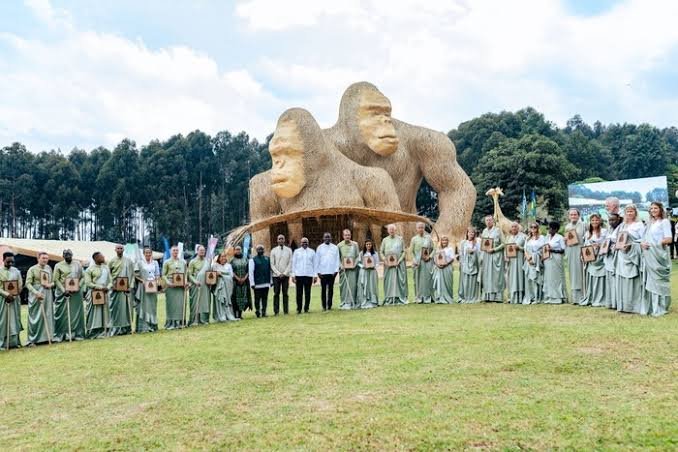
As the gorilla population continues to grow, the government plans to expand the boundaries of Volcanoes National Park to provide the animals with more space.
However, the Prime Minister said communities affected by the expansion must also benefit from the initiative.
Last week, the government launched the construction of an environmentally friendly model village as part of measures to support families living in areas earmarked for the park’s expansion.
The $49 million project is expected to accommodate 547 families currently living in areas that will become part of Volcanoes National Park.
According to the government, the families will be relocated to modern housing and provided with basic services, alongside opportunities designed to improve their livelihoods.
Nsengiyumva said the project is intended to balance conservation with human development
“We will do this to protect the park by investing in the science and technology needed to address challenges related to climate change and the health of the animals living in the park. At the same time, this must go hand in hand with providing opportunities for families living near the park to improve their livelihoods and benefit from the value of this park,” he said.
Jean-Guy Afrika, the Chief Executive Officer of the Rwanda Development Board (RDB), said the expansion of Volcanoes National Park is expected to generate benefits for both gorillas and surrounding communities.
“Expanding this park will give gorilla families more space to reproduce freely. It will also benefit families living around the park by supporting them to live in better homes, bringing modern infrastructure closer to them, providing basic services, and creating various opportunities that will enable them to improve their economic wellbeing,” Afrika said.
Northern Province Governor Maurice Mugabowagahunde said communities living around Volcanoes National Park are already benefiting from the government’s policy of allocating 10% of tourism revenues to development projects in communities surrounding national parks.
“Since this initiative began, 740 community development projects have been supported, with Rwf8.6 billion invested in them. These projects have been implemented in 12 sectors bordering Volcanoes National Park across Musanze, Burera, Nyabihu and Rubavu districts,” he said.
Mugabowagahunde added that Rwf2 billion will be invested this year in development initiatives targeting communities living around Volcanoes National Park.
The government says the approach is intended to ensure that conservation delivers tangible benefits to local communities, strengthening their role in protecting the park while improving their living conditions