More Than 7,000 Students Given a Second Chance After Being Facilitated to Cheat in National Exams.
The Ministry of Education has announced that an investigation into the 2025/2026 national examinations found widespread cheating in 254 examination rooms across the country, involving more than 7,000 students who were facilitated to cheat.

The Ministry subsequently declared the students’ examination results null and void but decided to give them another opportunity to sit for new examinations. The new examinations will be conducted from Wednesday, September 2, 2026, to Friday, September 4, 2026.
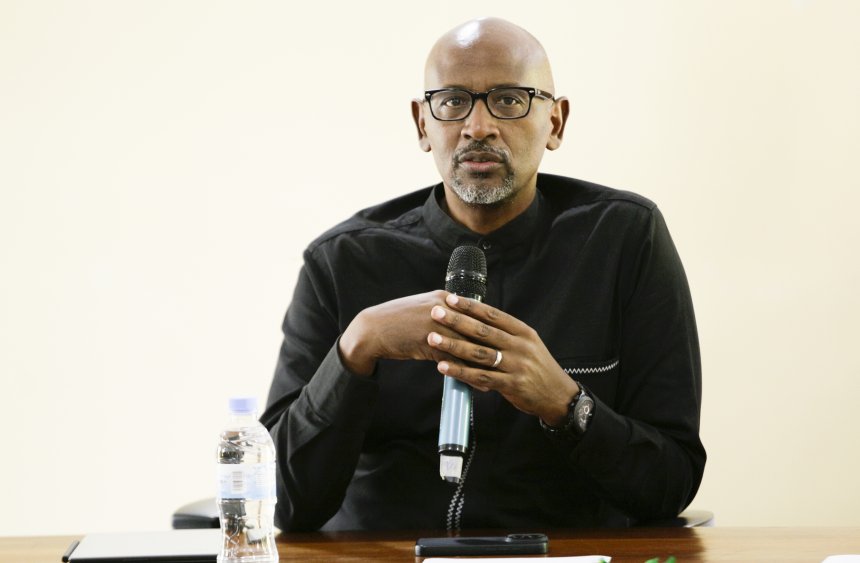
Speaking to the Rwanda Broadcasting Agency (RBA), Minister of Education Joseph Nsengiyumva explained why the Ministry decided to give the affected students another opportunity.
“The investigation established that cheating and facilitating cheating occurred in those examination rooms. Once this was established, we had to take decisions based on the findings. We had two choices. We could have followed the existing regulations, under which the examinations they sat would be cancelled and they would receive zero marks, which would have resulted in many students repeating the year,” he said.
“However, the investigation also showed that adults were involved, particularly people who were responsible for supervising the examinations. We therefore found that punishing the children by giving them zero marks in all the examinations they had taken and making them repeat the year would be too severe. We wanted to protect the interests of the children, which is why we gave them an opportunity to retake the examinations and do them properly,” he added.
The Minister added that the second chance being given to the students is not something normally provided for under the existing regulations.
“This is an opportunity that we do not normally give to others because the regulations are clear. They state that when you cheat, you receive zero for that examination. But because of the involvement of adults, we decided to protect these children by giving them another opportunity to sit for the examinations,” he said.
Minister Nsengiyumva urged the affected students to make good use of the limited time available to prepare for the examinations and take advantage of the opportunity they have been given, noting that such opportunities are rarely offered.
The Ministry’s decision also raised questions about how the affected students would begin the 2026/2027 academic year, given that the new examinations will take place only days before the start of the new school year. Minister Nsengiyumva outlined the schedule that will be followed over the coming weeks.
The examinations will conclude on Friday, September 4, 2026, after which marking will immediately begin. The students’ results will be released no later than September 11, 2026. Those who pass will then be informed of the schools they have been assigned to, allowing them to begin their studies on September 14, 2026.
Minister Nsengiyumva also sought to reassure parents who may be concerned about the one-week delay in the students’ academic year. He said losing one week was preferable to having the students repeat an entire academic year.
“They will be late for one week, but being late for one week is better than retaking an entire year,” he said.
The Minister also revealed what will happen to the adults who were involved in facilitating the students to cheat during the examinations.
“Those adults we referred to who were involved will be investigated and punished as an example. Some have already been questioned, others are currently being questioned, and more will be questioned. We will also publicly name those people so that others do not develop the idea of undermining the efforts we are making to improve the quality of education,” he said.
Minister Nsengiyumva said additional measures have also been introduced to eliminate cheating, facilitating cheating, and being helped to cheat during national examinations.
He explained that the main weaknesses identified by the investigation were related to teachers who supervised the examinations. According to the Minister, no major problems were identified during the preparation, printing, or transportation of the examination papers to schools. The problems mainly occurred on the actual examination days.
One of the measures being introduced is to increase the number of teachers supervising each examination room from one to two. The two supervisors will also come from different schools, rather than both being teachers from the same school.
Minister Nsengiyumva called on local authorities, school leaders, teachers and all other education stakeholders to work together to combat the culture of cheating, facilitating cheating and enabling students to cheat in examinations.