AGRA Board Chair and Former Ethiopian Prime Minister Hailemariam Calls for Economic Transformation as Africa’s New Liberation Struggle
Kigali —Hailemariam Desalegn, AGRA Board Chair and former Prime Minister of Ethiopia, has called on Africans to redefine liberation through economic transformation, regional integration, sustainable water management and African-led solutions, saying the continent’s future struggle is no longer political but developmental.

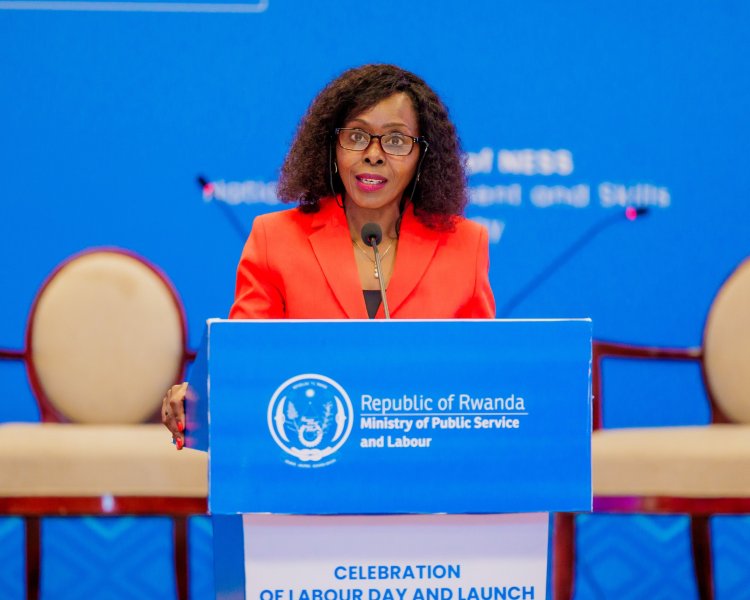
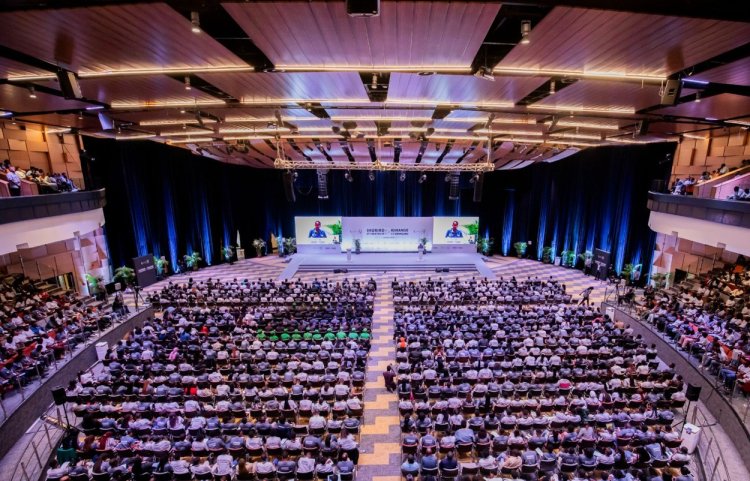
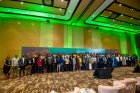
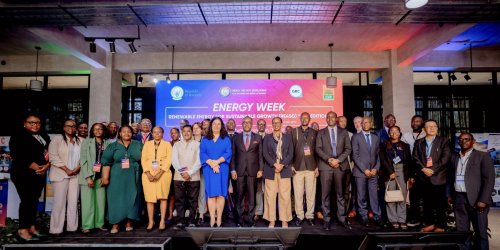
Hailemariam made the remarks during an international conference held at the Parliament of Rwanda on May 24, 2026, to mark the 62nd African Liberation Day.
The conference, organized by the Pan African Movement Rwanda Chapter in collaboration with partners, brought together senior government officials, diplomats, parliamentarians and Pan-African leaders under the African Union’s 2026 theme focused on ensuring sustainable water availability and safe sanitation systems to achieve the goals of Agenda 2063.
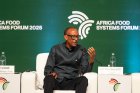
In a keynote address centered on Africa’s development future, Hailemariam said the continent’s liberation struggle has evolved beyond political independence.
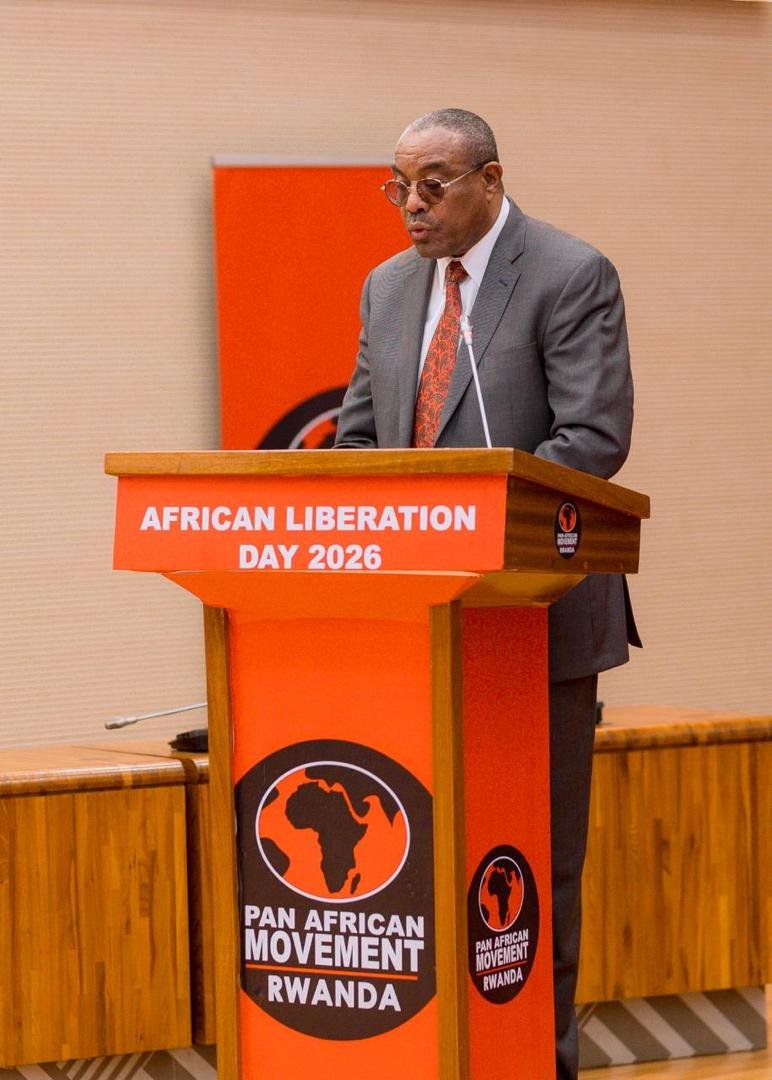
“The next phase of African liberation is no longer fought on the battlefield. It is fought in infrastructure networks, in trade corridors, in research and development labs, in agriculture and food systems transformation, and in adding value to products made in Africa.”
He emphasized that true liberation today means “inclusive, shared and sustainable economic transformation” driven by infrastructure development, digital innovation, climate resilience and continental integration.
Hailemariam noted that Africa’s transformation in the 21st century will largely depend on how the continent manages its water resources and sanitation systems.
“Water is the engine of our economy, the foundation of our public health and the guardian of our peace.”
He warned that despite progress registered by some countries, millions of Africans still lack access to clean drinking water and safe sanitation services, a situation he said continues to undermine health systems, productivity and economic growth.
According to figures highlighted in his speech, more than 400 million Africans still lack access to basic drinking water, while nearly three-quarters of the continent’s population do not have safely managed sanitation services.
Hailemariam commended Rwanda for achieving nearly 90 percent access to clean water, describing it as a strong example of what African countries can accomplish through commitment and investment.
The former Ethiopian leader also highlighted the disproportionate burden carried by women and girls due to water scarcity across the continent.
“Women and girls collectively spend approximately 250 million hours every single day fetching water. This means lost educational opportunities, reduced economic participation and a slower pace of national development.”
Calling for urgent continental action, Hailemariam urged African governments, regional institutions, the private sector and citizens to collectively implement the African Water Vision 2063 through stronger regional cooperation, integrated water resource management and climate-resilient infrastructure.
“This conference must mark a decisive shift from dialogue to delivery. From commitments to concrete action.”
He said Africa’s greatest achievements have always emerged through unity and collective purpose, urging leaders and citizens alike to work together toward the realization of Agenda 2063 and “the Africa we want.”
“Africa’s greatest victories have always emerged when Africans act collectively, courageously and with a shared sense of destiny.”
African Liberation Day is commemorated annually on May 25 to honor the founding of the Organization of African Unity in 1963 and to reflect on Africa’s journey toward unity, self-reliance and sustainable development.