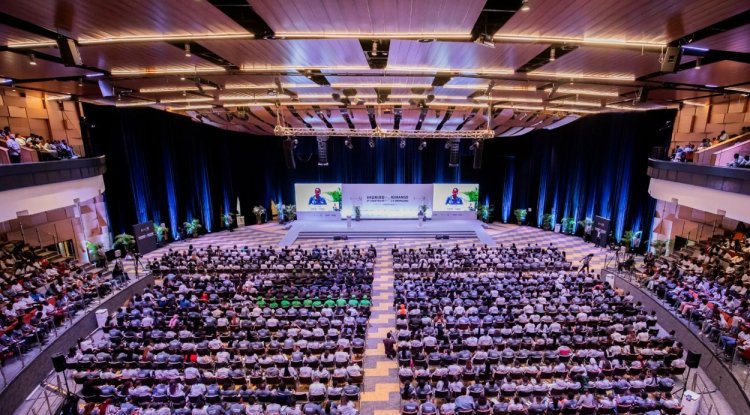
Morocco Appoints First Woman Prime Minister.
Morocco has appointed Fatima Ezzahra El Mansouri as its first woman prime minister, after King Mohammed VI tasked her with forming a new government.

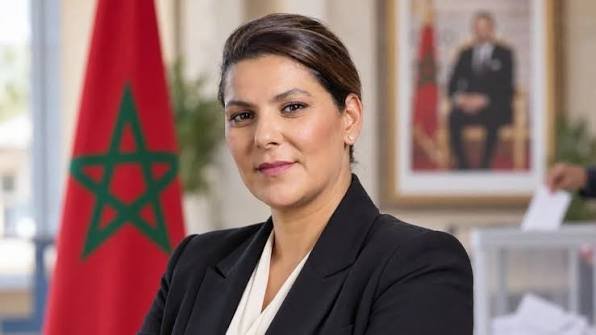
The 50-year-old lawyer was appointed on September 29, 2026, days after her Authenticity and Modernity Party (PAM)emerged as the largest party in the September 23 parliamentary elections. PAM won 97 of the 395 seats in the House of Representatives.
El Mansouri, who previously served as mayor of Marrakech and as Morocco’s urban planning minister, now faces the task of forming a coalition government and presenting it for royal approval.
Her appointment makes her the first woman to head Morocco’s government and the second woman to serve as prime minister in the Arab world, after Tunisia’s Najla Bouden, who held the position from October 2021 to August 2023.
Under Morocco’s 2011 Constitution, the king appoints the head of government from the political party that wins the largest number of seats in the House of Representatives. PAM’s 97 seats put it ahead of the National Rally of Independents (RNI), which won 66, and the Istiqlal Party, which secured 65.
El Mansouri’s government is expected to oversee major investments linked to Morocco’s preparations to co-host the 2030 FIFA World Cup with Spain and Portugal.
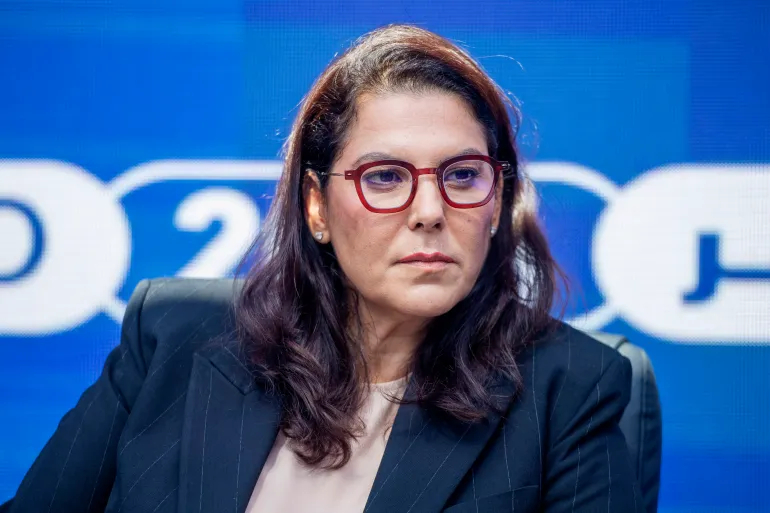
Her administration will also face pressure over economic and social issues, including inflation, unemployment and wages. Reports following the election identified job creation, improving living standards and responding to concerns among young Moroccans as some of the major challenges facing the incoming government.
El Mansouri has spent much of her political career in local and national government. She first became mayor of Marrakech in 2009, making her the first woman to hold the position, and returned to the post in 2021. She has also served as a member of parliament and held a ministerial position.
Her appointment marks a significant change in Morocco’s political leadership, although PAM will need support from other parties to form a government because its 97 seats fall well short of the 198 seats required for a majority in the 395-member House of Representatives.