Rwanda Marks International Savings Day 2026, Calls on Youth to Embrace Saving Culture
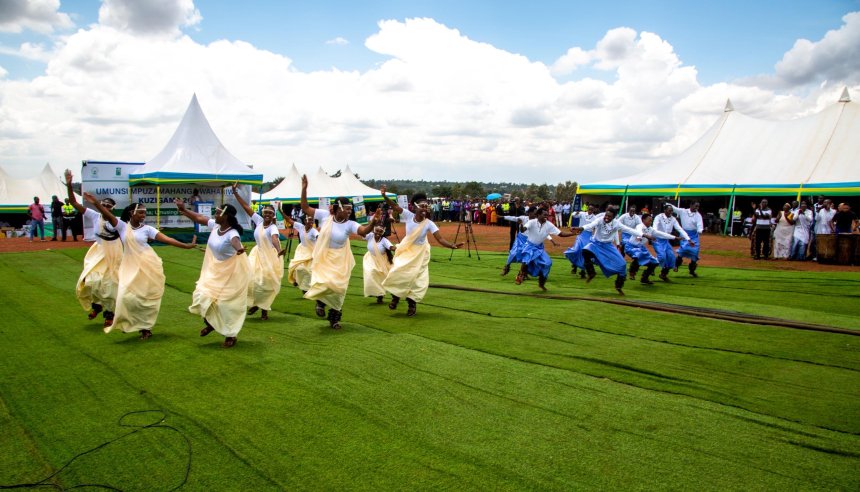
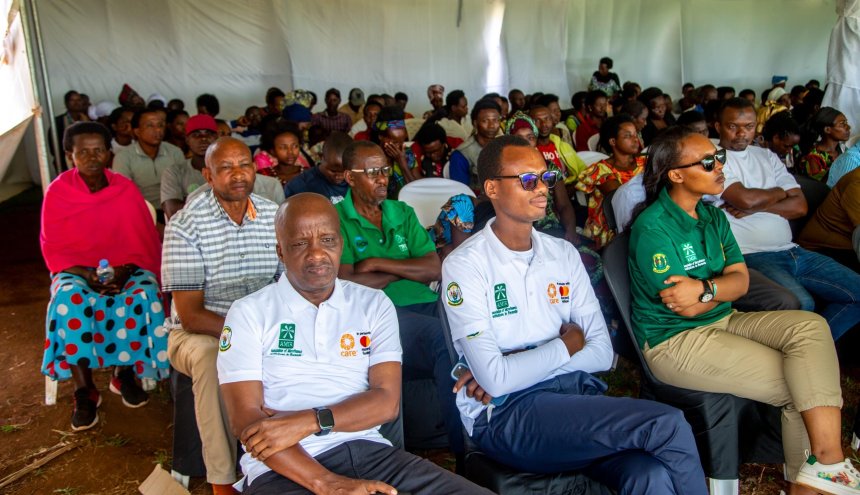
KAYONZA, Rwanda – More than 3,000 people gathered in Kayonza District to mark International Savings Day 2026, with leaders calling on young people and households to embrace saving as a foundation for financial security, business growth and economic prosperity.

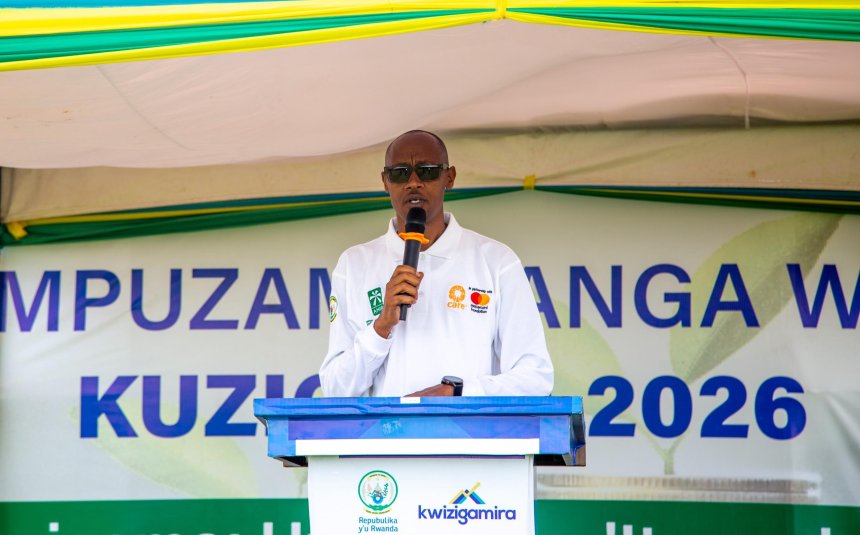
The national celebration was organised by the Association of Microfinance Institutions in Rwanda (AMIR), through the SERVE Project, in partnership with the Ministry of Finance and Economic Planning (MINECOFIN), the National Bank of Rwanda (BNR), the Eastern Province and other stakeholders.
The event brought together government officials, microfinance institutions, development partners, young entrepreneurs and community members. It also marked the culmination of Savings Week campaigns conducted in Gakenke, Rulindo, Ngoma, Rwamagana and Kayonza districts.
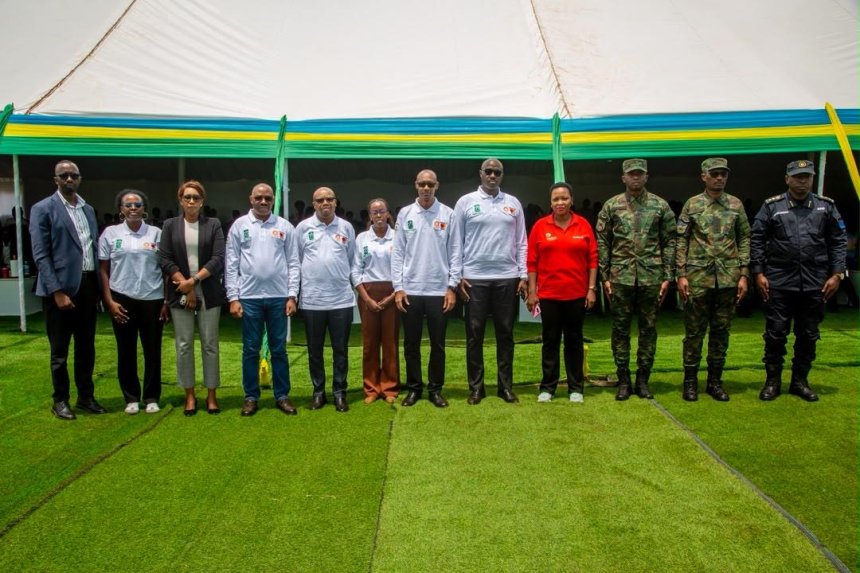
Speaking at the celebration, the Governor of the Eastern Province and Guest of Honour, Mr. Pudence Rubingisa, commended AMIR and its partners for promoting a stronger saving culture.
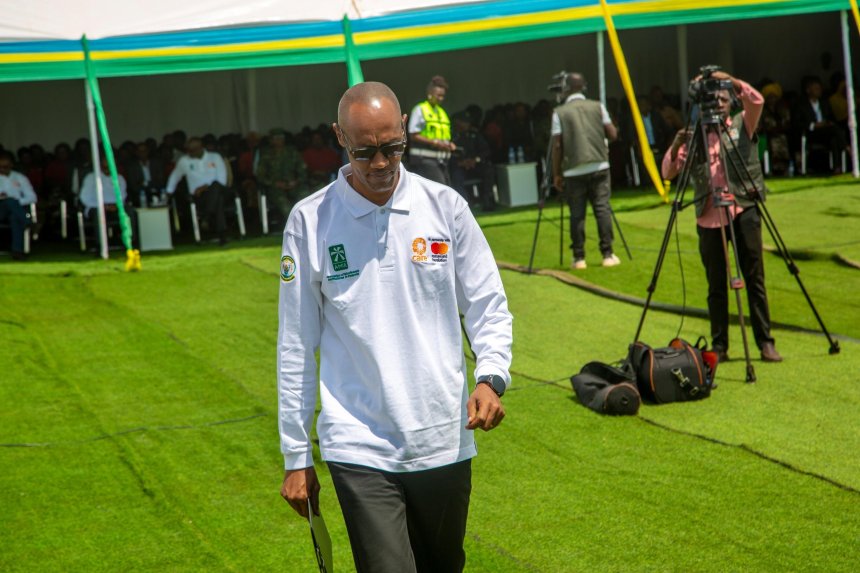
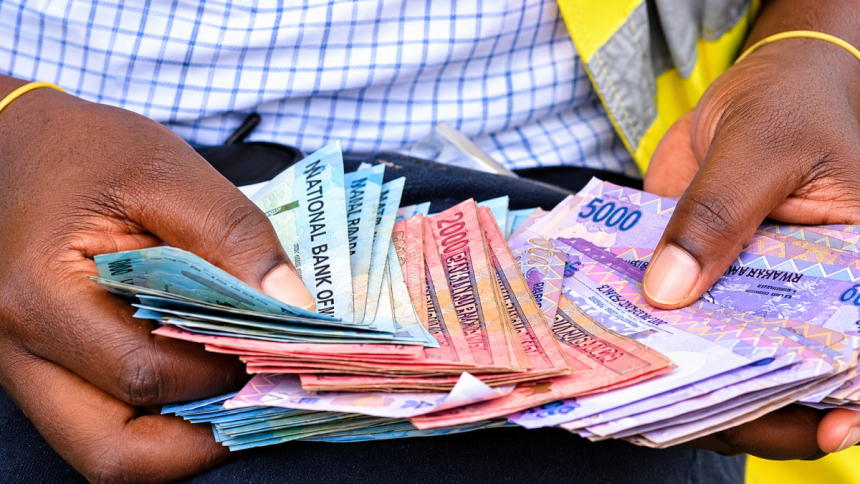
“Saving is not simply about putting money aside. It is about planning for tomorrow, strengthening our households and creating opportunities for economic development. When individuals and families develop a saving culture, they become better prepared to invest in their future and contribute to the country’s prosperity,” he said.
Mr. Cyrille Hategekimana, Director General of Banking and Non-Banking Institutions at MINECOFIN, highlighted the importance of institutional collaboration in mobilising domestic savings. He noted that stronger saving habits improve financial security and support national economic development.

AMIR Chief Executive Officer, Mr. Jackson Kwikiriza, challenged young people to question traditional expressions that discourage saving.
He cited sayings such as “Nta myaka 100” (You will not live for 100 years), “Impamba itazakugeza i Kigali uyirira ku Ruyenzi” (Do not consume your provisions at Ruyenzi if they are meant to take you all the way to Kigali), and “Amafaranga utakubakira inzu uyubakisha umubiri” (Money you do not use to build a house is spent on satisfying immediate needs).
He urged young people to move beyond such attitudes and prioritise their future. He emphasised that people should not wait until they have accumulated wealth before saving. Rather, saving should be a tool for building wealth and achieving personal ambitions.
Rwanda’s efforts to strengthen domestic savings date back to 2009, through initiatives such as the Savings Mobilization Strategy. The national savings rate reached 23.1% of Gross Domestic Product (GDP) in 2025. The National Strategy for Transformation (NST2), 2024–2029, targets an increase to 25.9%.
The celebration was held under the theme “Saving: A Foundation for Prosperity” (Kuzigama: Umusingi w’Iterambere).
It also highlighted the contribution of the SERVE Project, a five-year initiative running from 2023 to 2027. Led by CARE Rwanda in partnership with the Mastercard Foundation, the project promotes an inclusive and gender-equitable entrepreneurial environment for young people aged 18–35, particularly young women. Its implementing consortium includes AMIR, Pro-Femme Twese Hamwe, Duhamic-Adri and Urwego Finance.
AGRA serves as the super aggregator of the Mastercard Foundation’s Agri-Food Systems Portfolio in Rwanda. In this capacity, it supports coordination, collaboration, learning and visibility across portfolio partners and initiatives. The broader portfolio seeks to expand dignified and fulfilling work opportunities for young people, particularly young women, across Rwanda’s agri-food systems.
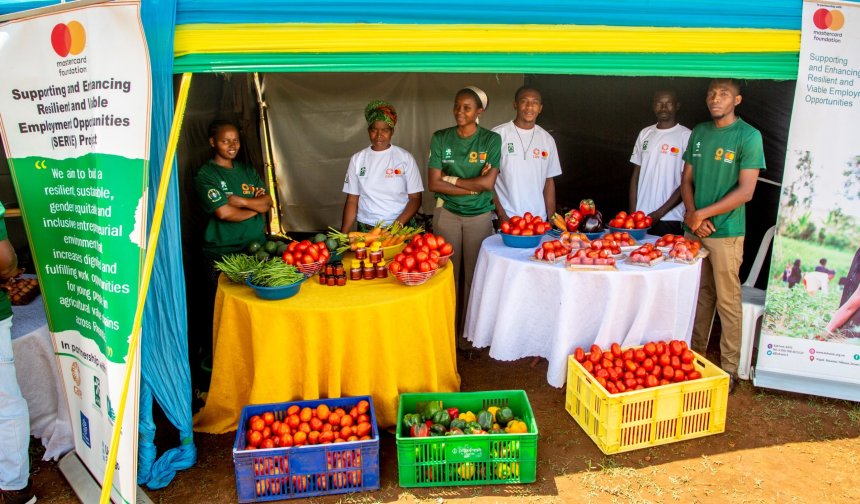
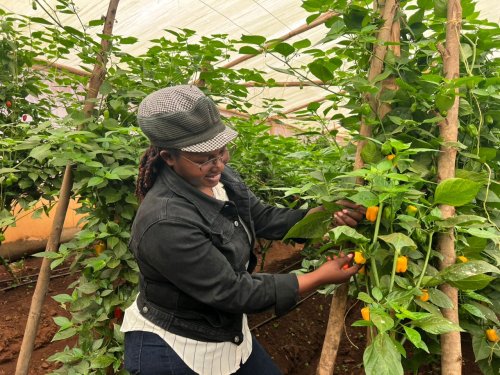
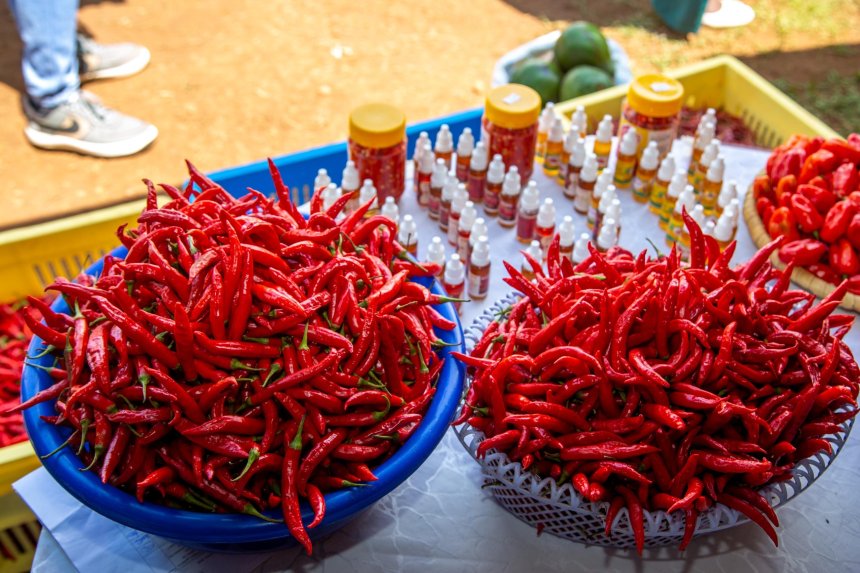
Young SERVE participants showcased their products and shared testimonies of their entrepreneurial journeys. Their experiences illustrated how access to financial services, business skills and capacity-building support can help young people expand enterprises, improve livelihoods and strengthen financial independence.
The celebration reinforced a central message: saving is not determined by how much one earns, but by the discipline to plan, start small and invest consistently in the future.