Patients Seeking Treatment for Unsafe Alcohol Use Drop by 80% in Rwanda.
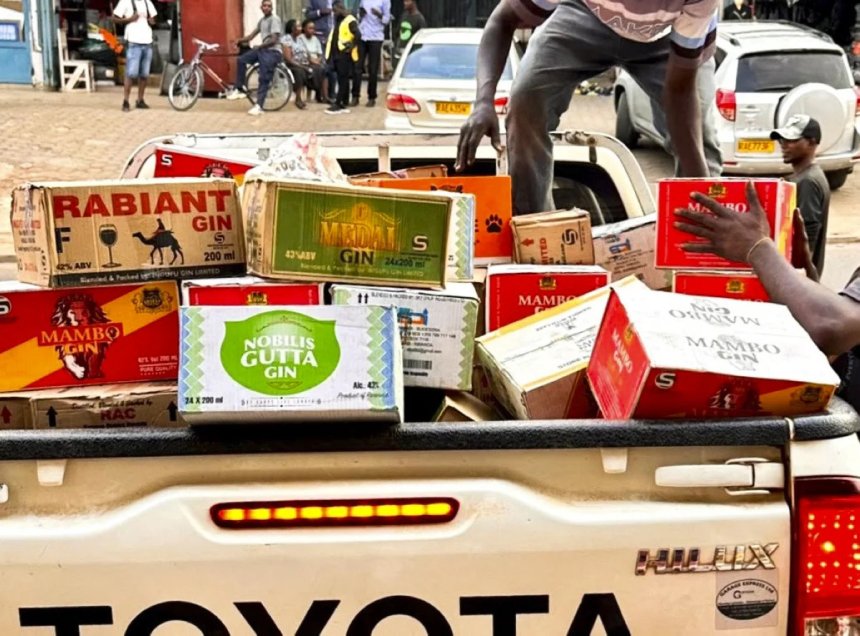
The number of people seeking medical treatment for illnesses linked to substandard alcoholic beverages in Rwanda has fallen by 80 per cent since the government began removing the drinks from the market, Health Minister Dr Sabin Nsanzimana has said.

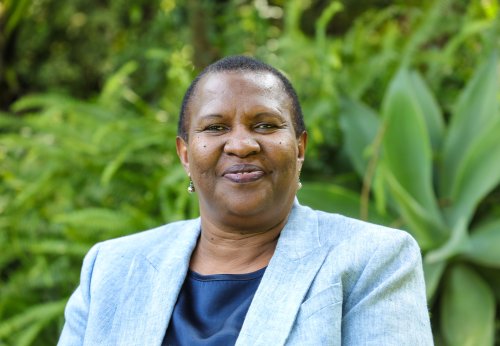
The minister announced the decline on Thursday October 15, 2026, while addressing members of the National Consultative Forum of Political Organisations (NFPO), where he outlined government measures to tackle contaminated food, unsafe alcoholic beverages and drug abuse.
Dr Nsanzimana said that before the crackdown began in early August, health facilities were receiving more than 100 patients every three days with complications linked to the consumption of substandard alcohol.
He said the cases had placed considerable pressure on hospitals and increased healthcare costs for illnesses that could have been prevented.
“Preliminary figures from health facilities show that the number of people seeking treatment for the effects of consuming substandard alcoholic beverages has decreased by 80 per cent since measures were taken to eliminate these drinks,” he said.
The minister attributed the decline to government efforts to remove unsafe beverages from the market, saying their consumption had threatened public health and created wider social challenges.
Nsanzimana said the government’s decision followed a review of measures adopted by other countries to address the harmful effects of unsafe alcoholic drinks.
He also raised concerns about the use of ethanol in alcohol production, warning that excessive or improper use could compromise the safety of beverages.
According to figures he presented, Rwanda imports about 20 million litres of ethanol annually, although the country requires no more than 500,000 litres.
He said some producers of substandard alcoholic drinks had been using the excess supply to manufacture beverages containing ethanol concentrations of between 96 and 100 per cent. They then added sweeteners to make the products more appealing to consumers, while the alcohol content in the resulting drinks could exceed 40 per cent.
The minister said 90 per cent of the ethanol and methanol entering Rwanda was being used to produce substandard alcoholic beverages, while the remaining 10 per cent was used for other purposes, including authorised industrial production and the manufacture of hand sanitisers.
He added that one litre of ethanol costing Rwf500 could be used to produce four bottles of alcoholic beverages, each sold for between Rwf1,000 and Rwf1,500.
Nsanzimana also warned that some producers continued manufacturing unsafe drinks despite having been instructed by authorities to stop.
He said 250 factories producing substandard alcoholic beverages had been suspended, while more than 200 others were awaiting licences when the measures to remove the drinks from the market were introduced.
Some of the factories, he added, lacked equipment needed to distinguish ethanol from methanol, raising further concerns about the safety of their products.
To illustrate the dangers associated with toxic alcohol, Nsanzimana referred to an incident in Bugesera District in which 19 people reportedly died after consuming a drink containing a high concentration of methanol.
He also cited a wedding in Ngoma District where many guests were rushed to hospital, putting additional pressure on emergency medical services.
“This is not how our health system should operate. Imagine ambulances serving an entire province being redirected to a single wedding celebration. What would happen at the same time if a pregnant woman needed urgent medical attention?” he said.
The minister said the government had established quality standards that manufacturers must meet if they want to continue operating, urging businesses to focus on producing safe beverages that comply with the requirements.
Leonard Ndagijimana, spokesperson for the National Consultative Forum of Political Organisations (NFPO), said the forum wanted the Health Minister to provide political organisations with sufficient information so they could educate their members and the wider public about contaminated food, unsafe alcoholic beverages and drugs.
He warned that consuming substandard drinks could cause serious health complications, including damage to bodily organs and mental health problems.
“If this problem continues, in the next five years we could have people suffering from serious illnesses and unable to work or contribute to their families and society. Health facilities would also face a heavy burden because we would spend large amounts of money treating preventable diseases,” he said.
Ndagijimana stressed that public health and national development were closely connected, saying people who were not healthy could struggle to contribute to their country's progress.
He called on political organisations to encourage citizens to stop producing, selling, distributing or consuming unsafe alcoholic beverages and to avoid protecting those involved in the trade.
Theodomire Niyonsenga, a member of the Social Democratic Party (PSD), welcomed the government’s measures, saying they were necessary. He also referred to reports that more Rwandans had been engaging in productive work and that family conflicts had declined.
However, he said some people still did not understand why the government had removed substandard alcoholic beverages from the market and called for more public awareness campaigns.
Nsanzimana clarified that removing unsafe alcoholic beverages from the market did not mean traditional drinks were prohibited, although the government was not encouraging people to consume them.