The Scholarship That Grew Into a Seed Revolution
Emma Uwera’s journey from RAB researcher to seed entrepreneur shows how two decades of AGRA’s investment in Rwanda are strengthening the seed system and reaching smallholder farmers

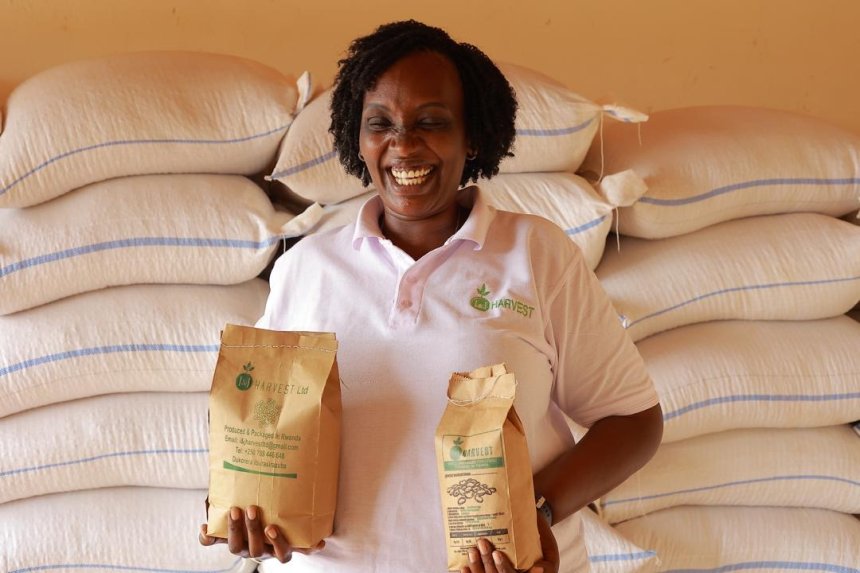
For many Rwandan families, beans are more than a crop. They are a staple food, an important source of nutrition and a source of income.
When Emma Uwera began working as a researcher at the Rwanda Agriculture and Animal Resources Development Board (RAB), she noticed a critical gap: Rwanda had very few specialists dedicated to seed production, while farmers struggled to access quality planting material.
“When I was doing research, I didn’t find any scientists doing seed production. We had just a few people to work with. The only seed company was RAB.”
The observation changed the course of her career.
Emma had initially considered engineering, but exposure to agriculture sparked a different ambition.
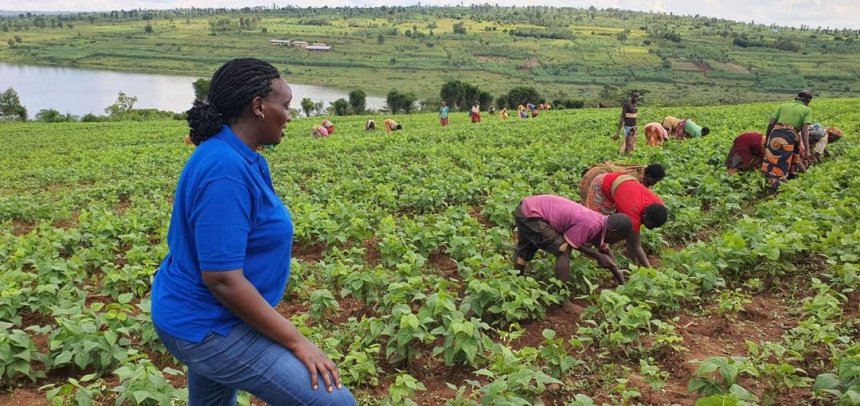
“I became interested in crop production. I said, one day, I want to produce crops. I became interested in getting good crops and good seeds.”
She decided to specialize in Plant Breeding and Seed Systems, applying for a Master’s scholarship. AGRA provided her with a full scholarship, an opportunity she says would have been difficult to pursue without financial support.
“AGRA scholarship was… I mean, I could not pay myself.”
The scholarship was important not only because it helped cover the cost of her studies, but also because it exposed her to seed professionals and businesses from other countries.
“I was getting people from different countries… some had very big seed companies. I got interested in them.”
Looking back, Emma describes AGRA’s support with gratitude:
“I appreciate AGRA for the support, full scholarship.”
From scholarship to seed business
When Emma returned to Rwanda, she transformed her new knowledge into an enterprise.
“After the MSc in plant breeding and seed systems, I… started the company, because already I was a seed specialist.”
Today, she is Managing Director of I&J Harvest, producing seed for beans, maize, Irish potatoes and cassava across Rwanda’s different agro-ecological zones.
“I do the production all around the country to make the agro-ecological zones balanced. Where we need beans, we go south, north and west.”
Her work is particularly significant in beans, a staple food loved by Rwandans and an important source of food and income for smallholder farmers.
From saved grain to quality seed
Emma found that producing quality seed was only part of the challenge. Many farmers traditionally saved grain from one harvest and used it for planting in the next season.
“People were not that much interested in beans because the production was low, and farmers only… saved the grain as seed.”
She responded by combining seed production with marketing, branding, farmer mobilization, training and demonstration plots.
“Farmers managed to get very good, clean seeds and high productive seeds from me, as well as training.”
Emma has established more than 500 demonstration plots, allowing farmers to see improved varieties under real farming conditions.
“I do demonstration plots on farmers’ fields to show the importance of using clean seeds.”
When five tonnes became 50
The transformation accelerated through the AID-I GLR project, led by AGRA.
Support to I&J’s marketing and distribution helped increase seed distribution from 5 metric tonnes to 50 tonnes per season—a tenfold increase.
“Initially, I could only distribute 5 MT per season, but now we’re distributing 50 MT per season.”
Annual turnover grew from approximately RWF10 million to more than RWF200 million within two years.
The company expanded improved bean seed distribution to six districts, with documented family reach growing from 15,000 to 20,000 and eventually 65,000 families over successive seasons. Five agro-dealers also joined the distribution network.
But the real measure of a seed system is what happens after the seed reaches the farm.
The harvest farmers can see
In Ngororero, farmer Ndayambaje Charles reported a 40% increase in bean yields after adopting improved iron-bean seed.
“Before I started using these seeds, my yields were low, and I struggled to support my family. Now, I harvest more beans, which has helped me improve my income and feed my children better.”
For Dusabe Martha, the benefits extended to household nutrition.
“My children are healthier since we started eating the iron-enriched beans.”
A bigger transformation behind Emma’s story
Emma’s career has unfolded alongside a wider transformation of Rwanda’s seed industry.
AGRA has invested millions of dollars in Rwanda’s seed system, including approximately US$10.8 million in seed-system development, helping strengthen seed production, private-sector participation, farmer awareness and access to improved planting materials.
Rwanda has also moved from having almost no private seed companies around 2016 to more than 20 today.
For Emma, the importance of this transformation is ultimately about farmers.
“I got interested in doing seed production, helping farmers to get good seeds.”
Her story also highlights the importance of women in agricultural science and enterprise. She is not only a female scientist; she is a woman leading a business that is connecting improved technology with smallholder farmers.
What Emma’s journey teaches at AGRA@20
Emma’s experience demonstrates that agricultural transformation does not happen through one intervention.
A scholarship created scientific expertise.
Expertise became entrepreneurship.
Entrepreneurship strengthened the seed market.
Demonstration plots built farmer confidence.
Market support enabled scale.
And improved seed reached smallholder farmers.
For Emma, the value of the investment is ultimately measured in what farmers can do with the knowledge and seed they receive.
“Farmers managed to get very good, clean seeds and high productive seeds from me, as well as training.”
That is the deeper lesson of AGRA@20: investing in agricultural transformation means investing in the people who can carry it forward.
The next harvest
Emma does not see her achievements as the end of the journey.
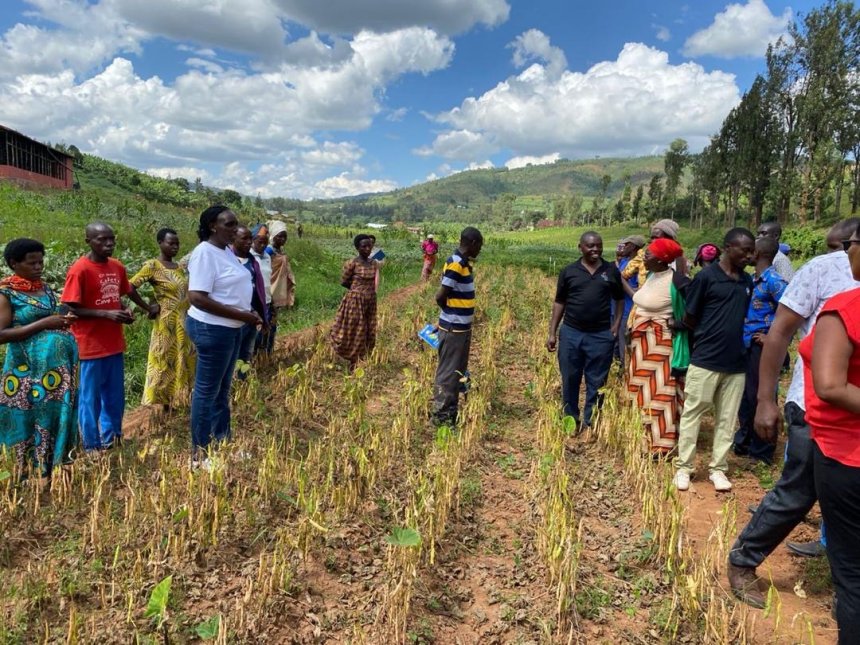
She wants to expand seed production, reach more farmers across Rwanda and create opportunities for women and young people to enter the seed business.
Her ambition is to share the knowledge and experience she has gained so that more people can build businesses around quality seed.
She also hopes to eventually expand into regional markets with certified seed.
The potential impact therefore extends beyond I&J Harvest.
The scholarship that once changed Emma’s career could help inspire a new generation of Rwandan seed entrepreneurs.
Emma’s journey began with a problem she identified as a young researcher at RAB. AGRA helped give her the specialized knowledge to address it. She transformed that knowledge into a business, and that business is now reaching tens of thousands of farming families.
Twenty years of AGRA’s work can be seen in systems, investments and institutions. But Emma’s story shows what happens when those investments are placed in the hands of a determined Rwandan scientist.
“I wanted to do seed production, helping farmers to get good seeds.”
The scholarship was the seed. Emma turned it into knowledge, knowledge into enterprise—and enterprise into an opportunity for farmers.