“The Solutions Are With Us”: Partners Accelerate Rwanda’s Youth Employment Agenda
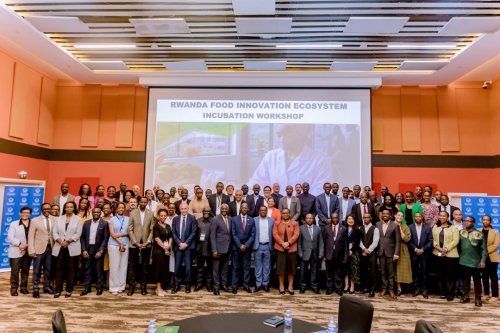
NYAGATARE, Rwanda | July 15, 2026 — “The solutions are with us in this room.” With these words, Ivan Ntwali, Country Director of the Mastercard Foundation in Rwanda, opened the first day of a two-day Steering Committee Meeting and Learning Visit of the Mastercard Foundation Agri-Food Systems Portfolio in Rwanda.

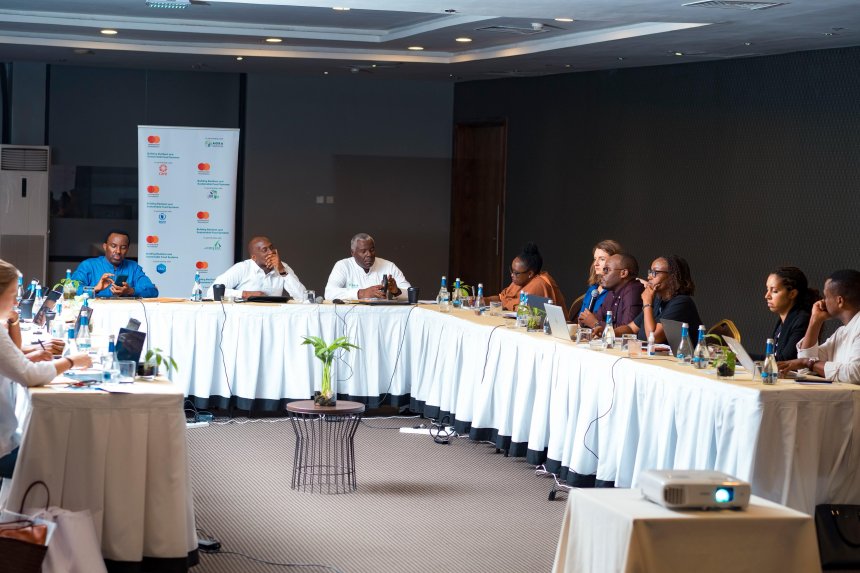
The meeting follows last week’s Heads of Programs convening, where technical teams reviewed implementation progress, lessons, and challenges. This week, country directors, government officials, and partner leaders are focusing on strategic decisions to accelerate youth employment.
Convened by AGRA, which serves as the Super Aggregator of the Mastercard Foundation Agri-Food Systems Portfolio in Rwanda, in collaboration with the Mastercard Foundation, the meeting brings together AGRA, CARE International Rwanda, TradeMark Africa, Access to Finance Rwanda (AFR), Business Professionals Network (BPN), ESPartners (ESP), World Food Programme (WFP), Rwanda Development Bank (BRD), and SNV. Together, the partners aim to create 300,000 dignified and fulfilling work opportunities for young women and men in Rwanda by 2030.
Ntwali said the next phase requires stronger collaboration across the entire agri-food ecosystem.
“The solutions are with us in this room. We already see what is working. What we need now is to accelerate the journey for these young people. We need to approach this from a systems and ecosystem level, with shared measures and a common vision.”
He said the partnership is on track but must ensure every opportunity created leads to sustainable livelihoods.
“We are already past the 50 percent mark on this journey to 2030. If we maintain the current trajectory, we will achieve our targets. But we must go further and ensure that young people are accessing dignified and fulfilling work.”
Representing the Ministry of Agriculture and Animal Resources (MINAGRI), Director General for Agriculture Dr. Patrick Karangwa described agriculture as central to Rwanda’s transformation.
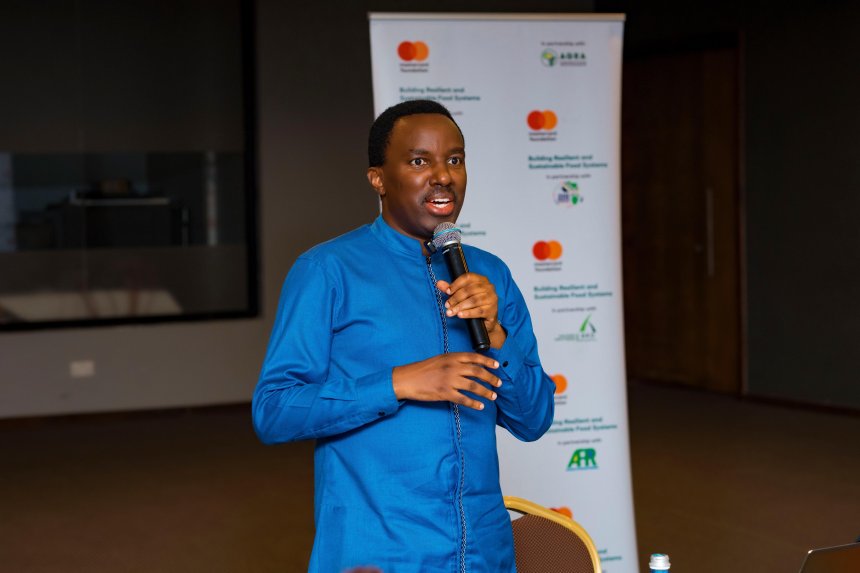
“Agriculture is one of the highest priorities for this government. It is one of the areas where we see a great opportunity to transform lives.”
He praised the Foundation and its partners for investing in young people.
“We highly appreciate all the efforts you are putting towards this. What you are doing—Mastercard Foundation and all the partners—is very welcome.”
Jean Paul Ndagijimana, Country Director of AGRA Rwanda, said AGRA’s Super Aggregator role is to ensure that more than US$200 million invested through the portfolio delivers collective impact.
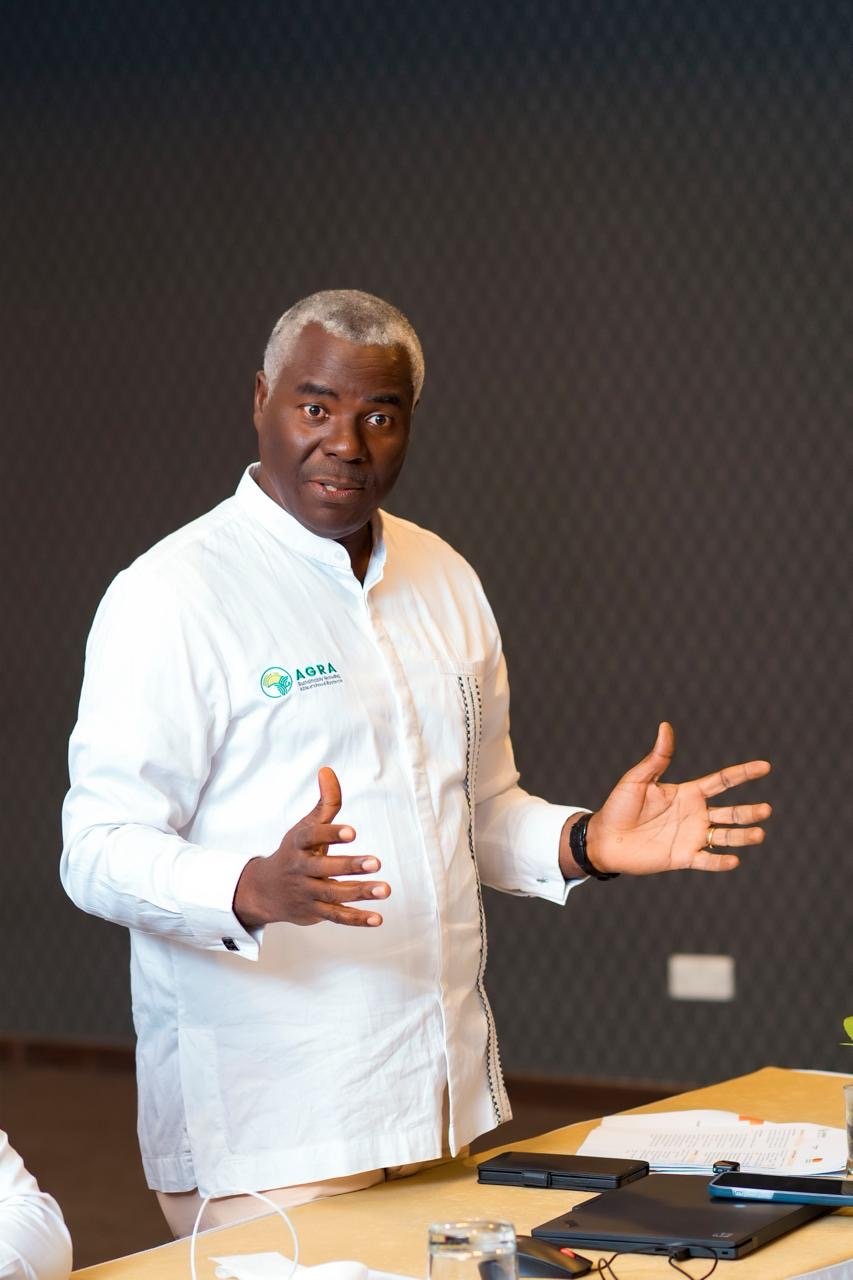
“The resources being invested should be talking to each other, not competing. We need collaboration, complementarity, and shared accountability.”
Partners echoed the call for stronger coordination.
TradeMark Africa Country Director Rosine Uwamariya said expanding markets is as important as increasing production.
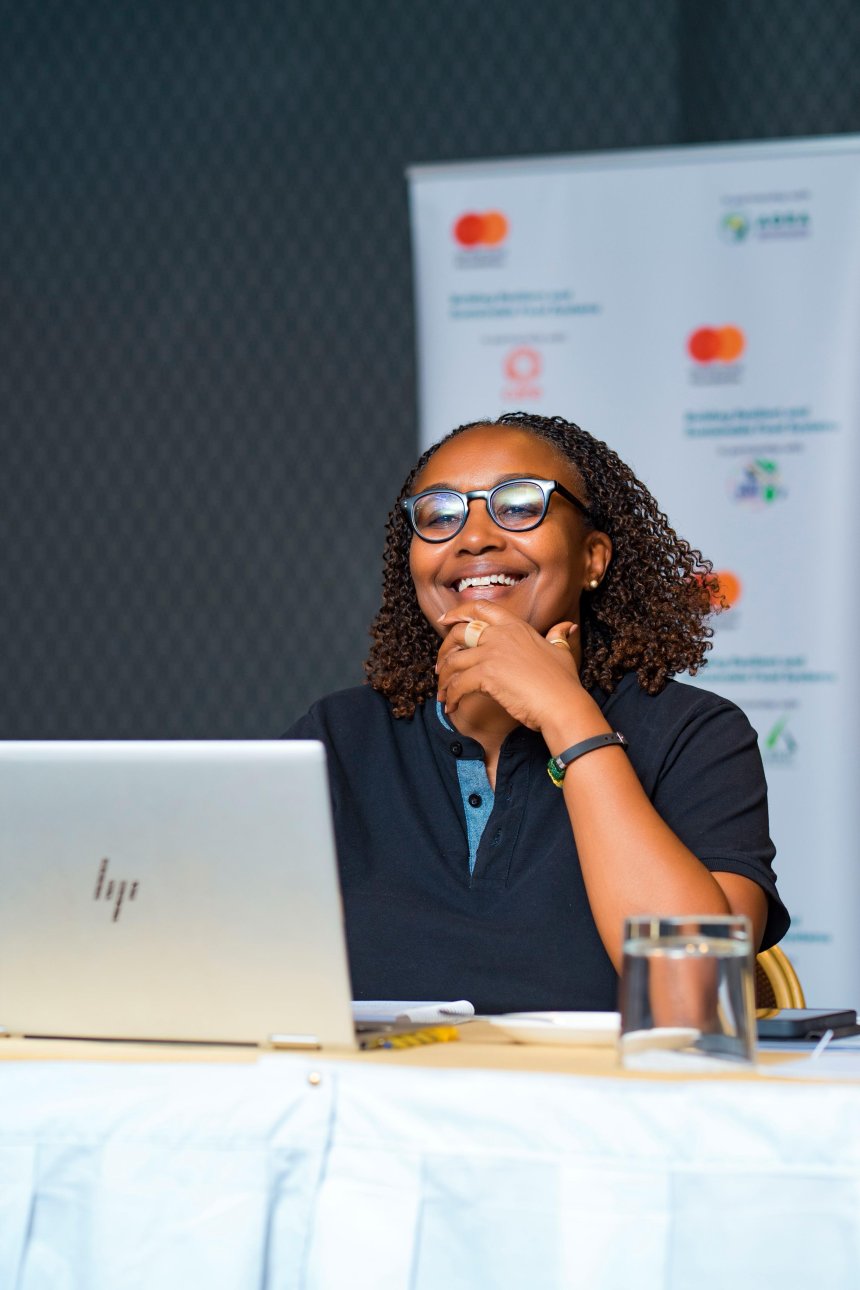
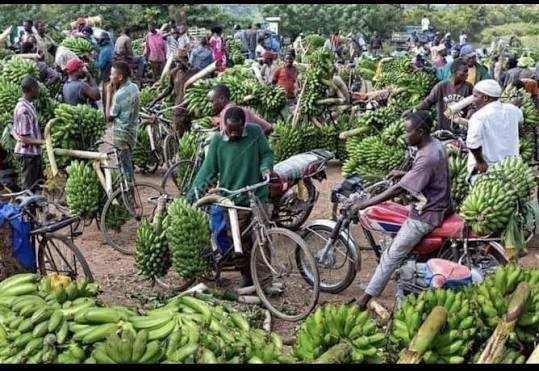
“Market access is key. We may have production ready, but getting products from the farm to the market is where many challenges remain. We must address infrastructure gaps, trade barriers, standards compliance, access to finance, and market information so that young entrepreneurs can compete and grow.”
She said TradeMark Africa is helping enterprises formalize businesses, improve standards, and access local, regional, and international markets.
Andrew Rucyahana Mpuhwe, Director of Partnerships and Fundraising at Business Professionals Network (BPN) Rwanda, said the partnership has expanded BPN’s work to 18 districts and uncovered thriving informal businesses.
“This partnership has allowed us to expand our work to 18 districts and reach entrepreneurs we had never engaged before. We are discovering businesses generating significant revenues while operating informally, and our role is to help them formalize, grow, and create more opportunities for others.”
He called for greater collaboration to address the diverse needs of young entrepreneurs.
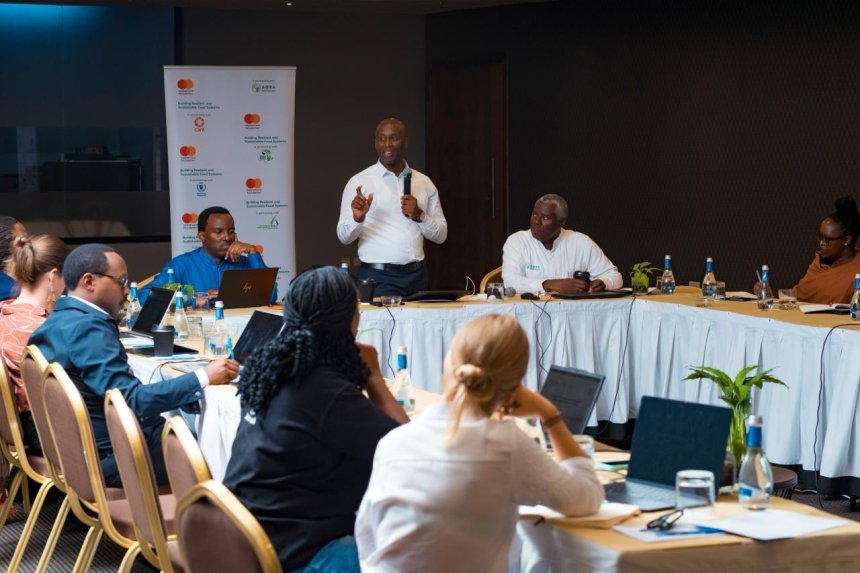
“The needs of an entrepreneur in Kigali are different from those of a refugee in Mahama or a young farmer in rural Rwanda. We need more collaboration, continuous learning, and flexible solutions that enable us to respond to those realities.”
The Steering Committee Meeting continues on Thursday with discussions on strengthening systems, improving results tracking, and agreeing on priorities to sustain impact beyond individual programmes. Last week’s Heads of Programs convening laid the technical foundation for these strategic discussions by identifying lessons and opportunities to strengthen coordination across the portfolio.