AGRA Raises Concern Over Rising Fertilizers Prices in Rwanda.
The 71st edition of the Food Security Monitor, published this month by AGRA, shows that Rwanda continues to face pressure from rising agricultural input prices, even as the prices of some food commodities continue to decline.


The report, which contains information collected in July 2026 on the state of food security across Africa, examines food security, agricultural production, food prices and agricultural input prices in several African countries.
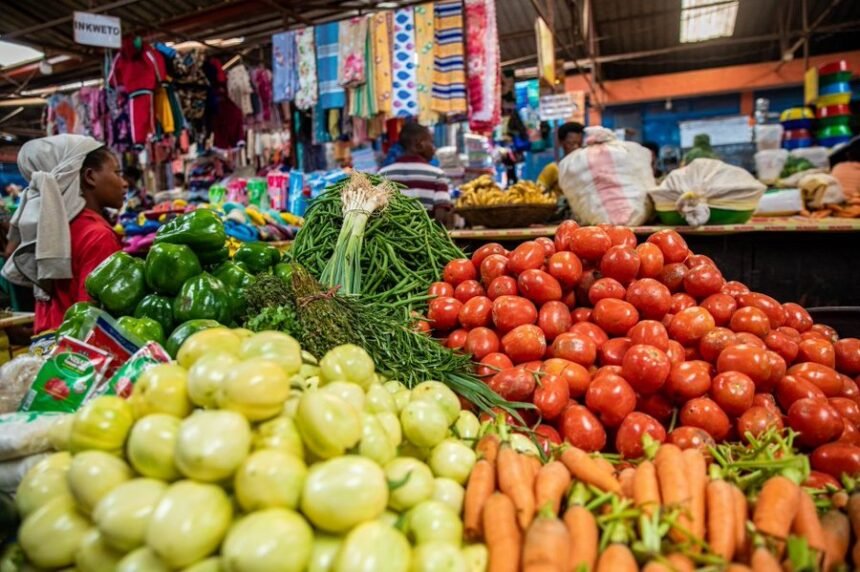
According to the report, prices of key food commodities in Rwanda declined in July.
The price of maize fell by 1.2 percent, while rice prices declined by 1.5 percent and beans by 3.1 percent.
The decline could provide some relief to consumers, particularly households that rely on markets to obtain their daily food supplies.
On the other hand, AGRA points to a significant increase in fertilizer prices in Rwanda, which could create pressure on the country's food security situation.
According to the report, the price of NPK fertilizer increased by 54.9 percent compared with July 2025, while the price of urea increased by 59.5 percent over the same period.
Prices also continued to rise over the course of one month. NPK fertilizer increased by 7.4 percent, while urea rose by 16.7 percent.
The continued increase could raise serious concerns among farmers, as higher agricultural input costs can increase the cost of production and reduce the income farmers earn from agriculture.
AGRA also assessed Rwanda's agricultural production during the 2026 Season B cropping period.
The report indicates that Rwanda's Season B maize and sorghum harvest was generally poor compared with normal production levels.
The decline in production was mainly linked to rainfall shortages during the growing season, particularly in eastern parts of the country, which negatively affected crop development.
AGRA places Rwanda among East African countries facing significant production challenges, a situation that could affect food supplies and market availability in the coming months.
AGRA also says that above average rainfall is expected between September and December 2026 in parts of East Africa, including Rwanda, amid the anticipated influence of El Niño and positive Indian Ocean Dipole conditions.
The increased rainfall could benefit farmers by improving soil moisture and supporting the next planting season. However, it could also increase the risk of flooding at the beginning of planting activities.
This could potentially lead to crop damage, highlighting the importance of preparedness and measures aimed at protecting farmers and their livelihoods.
Overall, AGRA's report presents a mixed picture for Rwanda. While prices of some food commodities have declined, agricultural production during the 2026 Season B was below average, while fertilizer prices continue to rise sharply.
These developments could remain a challenge for farmers and agricultural planners as the country moves into new planting seasons and continues to deal with the effects of climate variability.