Agri-Food Systems Portfolio Partners Convene to Strengthen Collaboration for Youth Employment in Rwanda
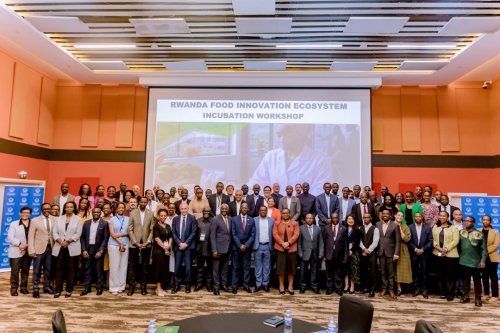
KIGALI, Rwanda | July 8, 2026 — Partners implementing the Mastercard Foundation’s Agri-Food Systems Portfolio in Rwanda have convened in Kigali to strengthen collaboration and accelerate efforts to create dignified and fulfilling work opportunities for young people.

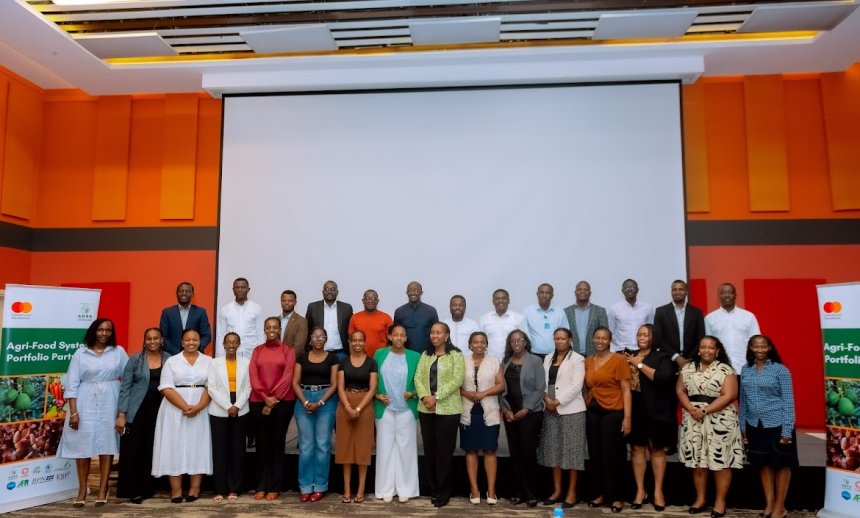
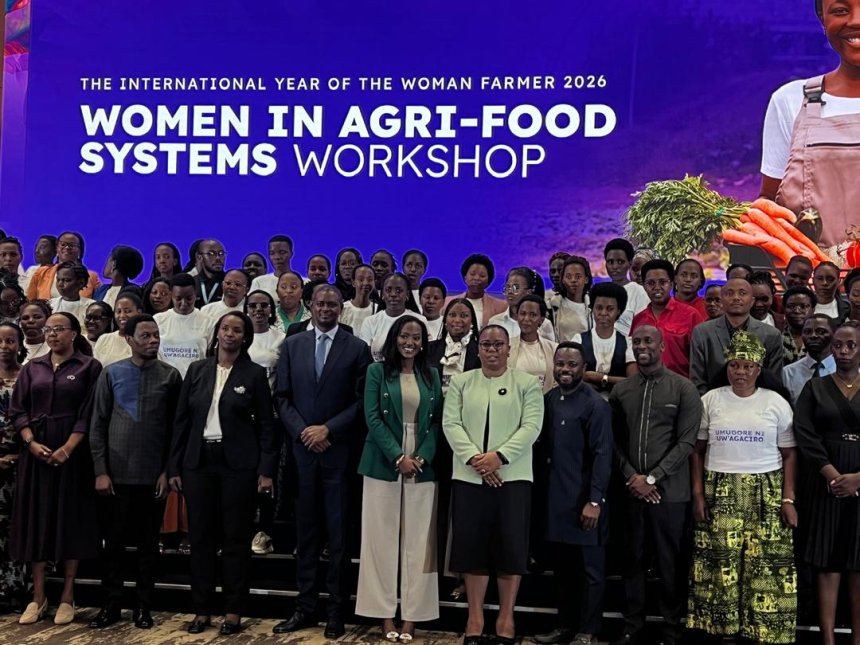
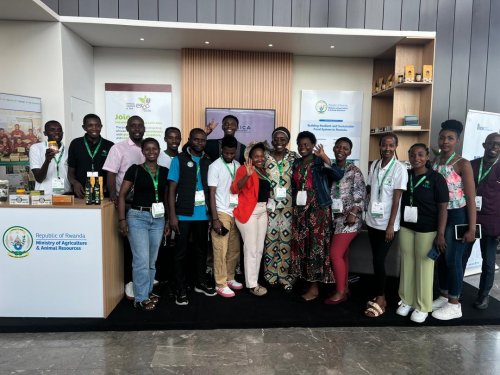
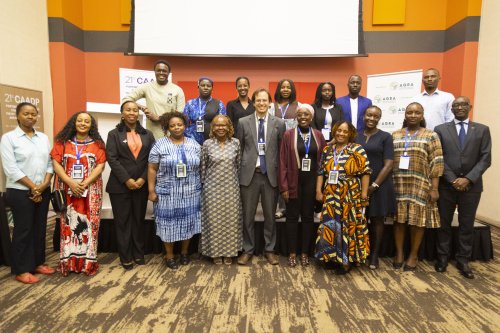
The Agri-Food Systems Portfolio Partner Convening started today, 8 July 2026, at the Kigali Convention Centre, and will continue until 9 July 2026. It brings together programme managers, technical experts, youth representatives and partners including CARE International Rwanda, TradeMark Africa, Access to Finance Rwanda, Business Professionals Network, ESPartners, World Food Programme, Rwanda Development Bank, SNV, One Acre Fund, AGRA and the Mastercard Foundation.

The two-day convening aims to improve coordination, share lessons and strengthen partnerships across Rwanda’s agri-food ecosystem. It focuses on how partners can work together to expand opportunities for young people and build stronger food systems.
The engagement is part of AGRA’s role as the Super Aggregator of the Mastercard Foundation’s Agri-Food Systems Portfolio in Rwanda. AGRA supports collaboration, knowledge exchange, evidence generation and adaptive management among partners.
Through the Youth Entrepreneurship for the Future of Food and Agriculture (YEFFA) programme, supported by the Mastercard Foundation, AGRA and its partners are working to create more than 130,000 dignified and fulfilling work opportunities for young people in Rwanda by 2029.

The programme focuses on youth entrepreneurship, access to finance, skills development and expanding opportunities across the agri-food system.
Opening the convening, Jean Paul Ndagijimana, AGRA Rwanda Country Director, said the portfolio represents nearly US$200 million in investments and requires strong collaboration to achieve lasting impact.

“We are managing close to US$200 million in investments. That is a significant investment and it must deliver significant impact. From time to time, we need to pause and ask ourselves whether our investments are converging, whether they are reinforcing each other and whether we are building systems that will last,” he said.
Ndagijimana called on partners to move beyond working separately and use their strengths to achieve shared results.
“Our role as the Super Aggregator is to facilitate those connections. Every partner brings unique expertise. Rather than working in isolation, we should create an integrated system where each institution’s strengths complement the others and collectively help more young people access dignified and fulfilling work,” he said.
Using a salad analogy, he highlighted the value of every partner’s contribution.
“A good salad allows you to appreciate every ingredient while creating one excellent meal. That is the kind of partnership we want—not one where everything is blended together, but one where every partner’s unique contribution is visible and strengthens the whole portfolio.”
Representing the Mastercard Foundation, Elisée Kamanzi,Head of at Entepreneurship and Entreprise Development at the Mastercard Foundation Rwanda, commended AGRA’s coordination role and emphasized the importance of collaboration.

“This gathering is more than an event. It reflects leadership committed to delivering impact through intentional collaboration. We are one family working toward one ambition—creating opportunities for young people and learning together how to do it better,” he said.
Kamanzi reaffirmed the Foundation’s Young Africa Works ambition of enabling 300,000 young people in Rwanda by 2030, including 70 percent young women, as well as young persons with disabilities and refugees, to access dignified and fulfilling work opportunities.
“Collaboration must be intentional. Time is moving quickly toward 2030, and we need to move with speed. By learning together, sharing evidence openly and adapting our approaches, we can build systems that create lasting opportunities for young people.”
The convening will be concluded on 10 July 2026 with a field learning visit to Rwamagana District in Rwanda’s Eastern Province, where participants will observe innovations and interventions supporting youth employment, entrepreneurship and women’s economic participation.