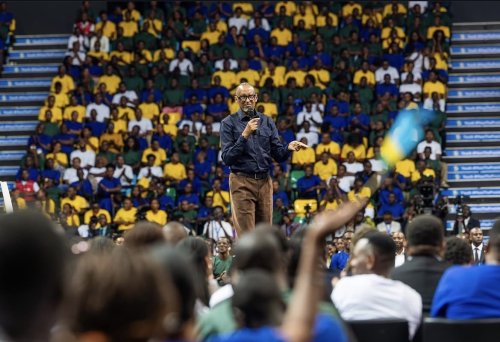
Hon. Frank Habineza Calls for Dress Guidelines at Public Events.
A debate over what is considered appropriate dressing at public events has resurfaced in Rwanda, with government officials and politicians calling for a balance between modern fashion, personal choice and the country’s cultural values.

The debate gained fresh attention after some young women were reportedly stopped from entering the BK Arena parking area on August 29, where Tanzanian Singer Diamond Platnumz was performing, because of the way they were dressed.
The incident triggered discussion on social media, with some people arguing that women should dress decently, while others maintained that individuals should be free to choose what they wear.
State Minister for Youth and Innovation Sandrine Umutoni said keeping up with fashion trends should not mean abandoning a country’s culture.
Writing on X, Umutoni said African countries could embrace modern fashion while incorporating their own cultural identity.
“Keeping up with trends does not mean abandoning culture. Across our continent, we see practical examples of societies that have incorporated their cultural identity into modern fashion. Nigeria and other countries have shown that locally made products and artistic creations can be worn with pride while still being adapted to contemporary fashion. This should be an example for us.”
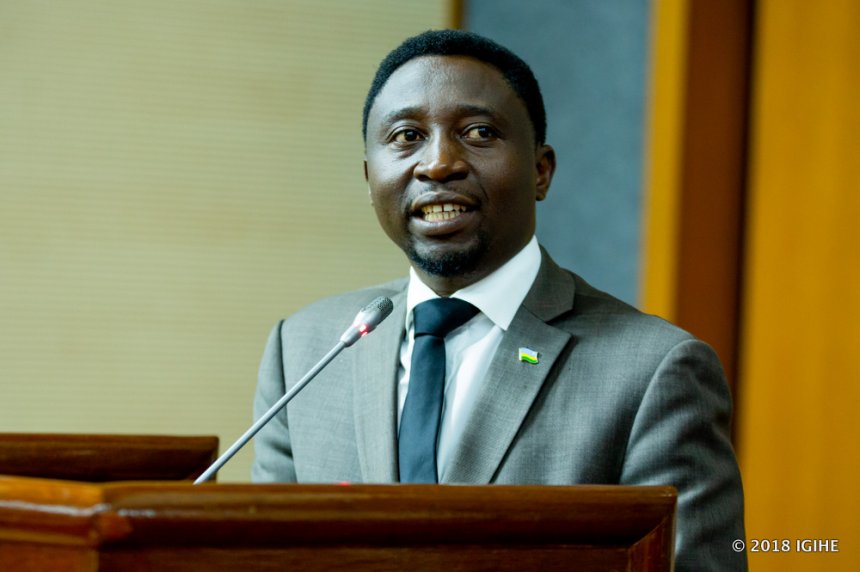
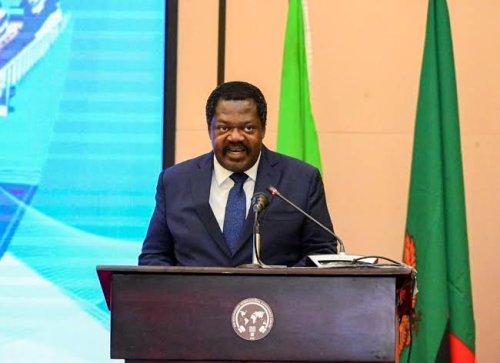
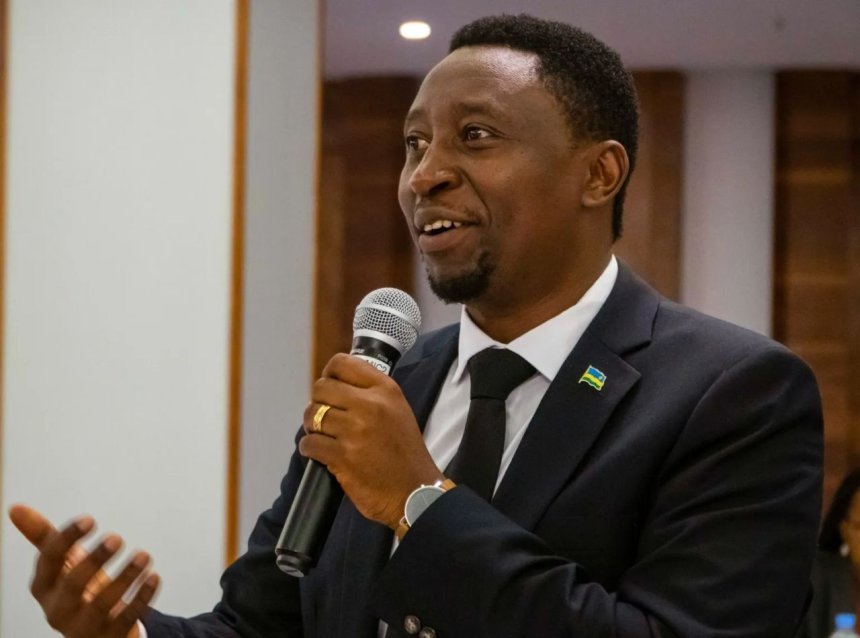
In an interview with KPMedia, Hon. Dr. Frank Habineza, a Senator and leader of the Democratic Green Party of Rwanda, also called for people to consider the occasion and location when choosing what to wear, while respecting their cultural background.
“If you are going out to a swimming pool, such as those we have in Rubavu, Karongi and Kayonza, you would not go there wearing a suit unless you were going there for a wedding. Otherwise, people would laugh at you and wonder what you were doing,” Hon. Habineza said.
He argued that organisers of major public events should consider having clear dress guidelines, particularly when events bring together people of different ages.
“In reality, if an event brings together many people, including children, adults, older people and young people, it should have guidelines on how people should dress. I would not say they should or should not wear mini-skirts, but I believe people should dress appropriately in a way that does not create a problem,” he said.
Hon. Frank Habineza said appropriate dressing did not necessarily mean forcing people to wear long clothes, but encouraged people to consider whether their outfit was suitable for the place they were visiting.
“I am not saying people should cover themselves completely or wear clothes that reach their ankles. Personally, I think it would be appropriate for someone to wear clothes that reach around the knees, cover their thighs and avoid exposing their breasts. I am also not saying people should wear traditional clothing at every concert or suits, because that would not be appropriate either. People should develop a culture of making good choices and asking themselves: Does what I am going to wear fit the place I am going to?” He added.
For Hon. Habineza, the discussion ultimately comes back to Rwanda’s cultural values, which he said parents have a responsibility to pass on to their children.
“What is important is that we follow our values as Rwandans and understand that whatever we do should not undermine our culture. We were all taught that culture when we were children. But parents also have a responsibility to continue preserving our culture, because if we allow our children to destroy it, our grandchildren will grow up and find that the culture of our country has disappeared,” he said.
The debate is not new in Rwanda. President Paul Kagame also addressed concerns about public dressing and nudity during the annual National Prayer Breakfast held on January 19, 2025.
Kagame criticised people who expose their bodies in public or on social media, linking the issue to broader questions about parenting and social values.
“Children are there, people dress naked and go onto the streets. What is a person who is naked showing that another person does not have? There is no religion that teaches people to dress naked, and there is no culture of dressing naked. But the problem is not only being naked physically, because in that case, the person is also naked in the mind,” Kagame said.
He questioned how Rwandan society could accept such behaviour without considering the responsibility of parents and leaders in raising children.
“Tell me, how can you allow Rwandan society to live like that without asking yourself, as a leader, how you are fulfilling your responsibilities? This is how we raise people and how we ourselves were raised,” he added.