Rising Global Costs Begin to Impact Rwanda’s Food System, AGRA Report Warns
Kigali: Rwanda is beginning to feel the impact of rising global food, fertilizer, fuel, and transport costs as escalating tensions in the Middle East continue to disrupt international commodity markets, according to the April 2026 edition of the AGRA Food Security Monitor.

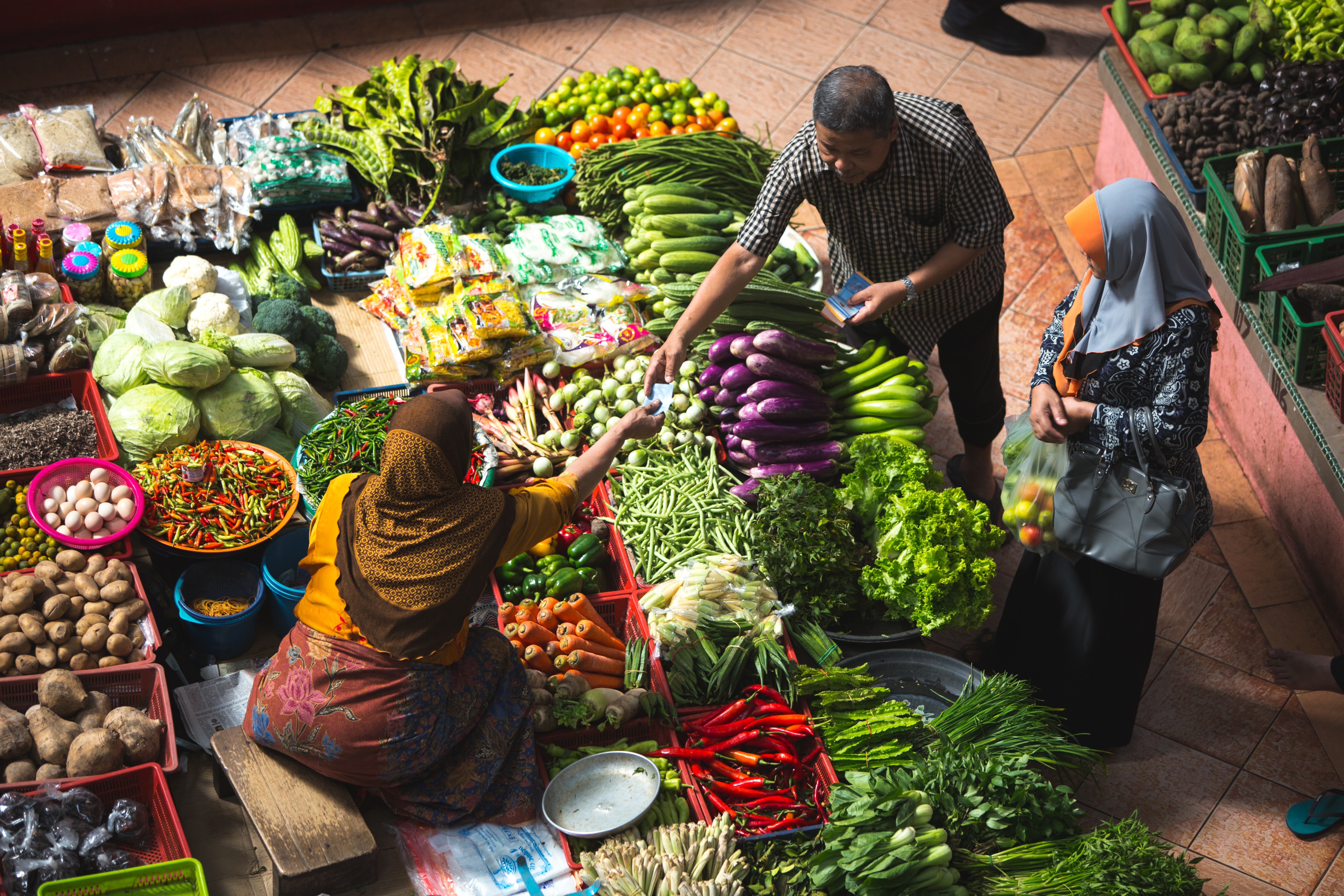
The report warns that increasing agricultural input costs and global supply chain disruptions could place additional pressure on food affordability, agricultural production, and household purchasing power in Rwanda and across East Africa in the coming months.
Globally, the FAO Food Price Index rose by 1.6 percent in April 2026, marking the third consecutive monthly increase. The rise was driven mainly by higher prices for cereals, vegetable oils, and meat products, alongside increasing energy and transport costs linked to the escalating U.S.–Israel–Iran conflict.
At the same time, global fertilizer markets are witnessing significant price hikes due to supply disruptions and elevated energy costs. Urea prices increased by nearly 50 percent globally, while DAP and MAP fertilizer prices also registered double-digit increases.
For Rwanda, the impact is already becoming visible.
The AGRA Food Security Monitor shows that Rwanda’s NPK fertilizer prices increased by 7.9 percent month-on-month and 33.5 percent year-on-year, while urea prices rose by 26.3 percent compared to the same period last year. Fuel prices also surged sharply, with petrol prices increasing by 38 percent between March and April, adding pressure to transportation and logistics costs across the economy.
“These rising input costs are likely to affect agricultural productivity and household food affordability if global market pressures persist,” the report notes.
Analysts say the increase in fertilizer, fuel, and transport costs could eventually translate into higher food prices for consumers, especially for staple crops that rely heavily on imported agricultural inputs and regional trade corridors.
Rwanda’s rice market is already showing signs of strain. Rice prices increased by 4 percent in April, reflecting growing regional demand and higher transportation costs. Across East Africa, staple food prices remain elevated despite seasonal harvest improvements in some countries.
In neighboring Uganda, rice prices rose by 13 percent, while maize prices increased sharply in Ethiopia and South Sudan due to supply shortages, conflict, and high transaction costs.
“Although Rwanda has maintained relative stability in food supply compared to several countries in the region, it remains vulnerable to external shocks because of its dependence on imported fuel and fertilizers,” the report states.
The broader regional outlook also remains concerning. Across East Africa, millions of people continue to face Crisis (IPC Phase 3) and Emergency (IPC Phase 4) food insecurity conditions driven by conflict, displacement, climate shocks, and persistently high food prices.
Countries such as Ethiopia, South Sudan, and parts of Kenya are experiencing worsening food access challenges, a situation that could place additional pressure on regional food markets and cross-border trade.
The report also highlights ongoing efforts by African governments to stabilize food systems and reduce dependence on imports. Countries including Ethiopia and Kenya are investing in regenerative agriculture, organic fertilizers, and local fertilizer blending initiatives, while the Economic Community of West African States is exploring coordinated fertilizer procurement, subsidies, and development of regional fertilizer industries.
In East Africa, major regional infrastructure investments are also expected to support long-term trade efficiency. Tanzania’s ongoing Standard Gauge Railway project is anticipated to strengthen regional trade corridors linking the Port of Dar es Salaam to inland countries including Rwanda.
However, the AGRA Food Security Monitor cautions that unless global tensions ease and supply chains stabilize, rising fertilizer, fuel, and transport costs will likely continue posing serious challenges to Rwanda’s agriculture sector, food markets, and household purchasing power in the coming months.
“Without sustained market stabilization and stronger regional resilience measures, food price pressures are likely to persist across much of Africa,” the report concludes.