Bill Gates Visits Rwanda to Review AI Health Progress.
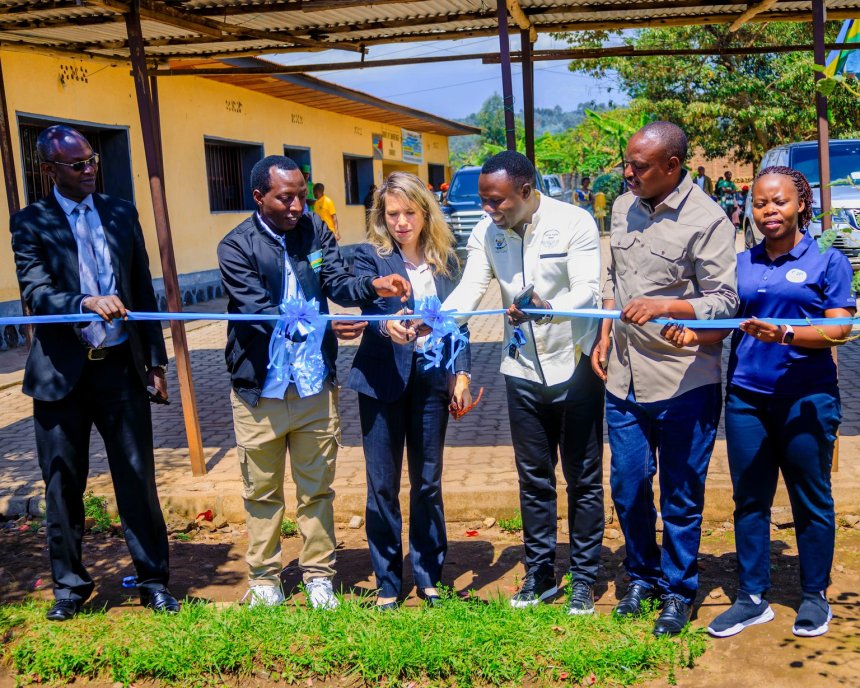
American billionaire Bill Gates is in Rwanda to explore Rwanda's progress in developing Artificial Intelligence (AI), particularly in the health sector, as he has begun his visit to Rwamagana district in the Eastern Province on Monday.


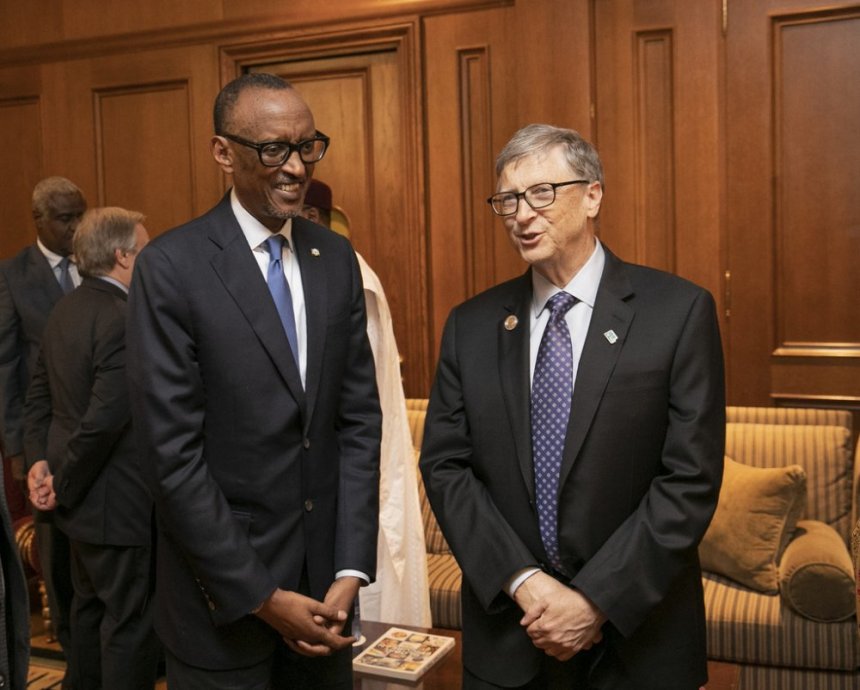
Bill Gates, who chairs the Bill and Melinda Gates Foundation, announced his visit to Rwanda in a post on LinkedIn.
“For the past 25 years, Rwanda has been a model for Africa in improving the health sector. This country has shown that anything is possible when governments invest in technology that not only saves money, but also puts that technology in the hands of those who need it most,” he said.
Bill Gates' visit to Rwanda comes months after the launch of a partnership between the Bill and Melinda Gates Foundation and technology company OpenAI. The partnership aims to spread artificial intelligence solutions to healthcare infrastructure across the African continent, with Rwanda being the first country to launch the initiative.
As announced in January, the $50 million initiative is expected to deploy artificial intelligence solutions in over a thousand primary health care facilities and surrounding areas by 2028.
This initiative, which aims to support healthcare workers rather than replace them, is expected to help doctors diagnose illnesses more quickly, improve data storage, and support healthcare workers in making informed decisions.
“The health system in Rwanda is in very good shape. They are monitoring what they are doing, seeing clearly where they need to improve, and taking action at the right time,” he said.
Bill Gates also stressed that since 2000, Rwanda has significantly reduced child mortality, with deaths of children under five years of age falling from 59,000 to 16,000 per year, a reduction of 73 percent.
“The quality of the health system and the timely introduction of vaccinations have led to this fantastic result,” Gates said.
Rwanda had begun investing in healthcare technology. In April 2025, it launched the National Healthcare Intelligence Center (NHIC).
This framework was established to help primary health care, secondary health care, and hospital staff integrate information to facilitate patient monitoring, establish a robust system that ensures that funds invested in health systems are used efficiently, and help health leaders make appropriate decisions and strategies.
Rwanda is also known for having digitized primary health care, and in August this year, a paperless system will be implemented in all health care facilities, from primary health care facilities to major hospitals. It also uses technology called e-Ubuzima and e-Fiche which has enabled doctors to follow up on patients even if they are not the first to see them, and even if the patient no longer visits the health care facility, reducing travel costs and inconvenience.