Minister Utumatwishima Recalls Withdrawing from Local Election After Struggling to Win Voters’ Support.
Rwanda’s Minister of Youth and Arts Development, Dr Jean-Népo Abdallah Utumatwishima, has revealed how he once abandoned a bid for a seat on Musanze District Council after struggling to convince voters during his first political campaign

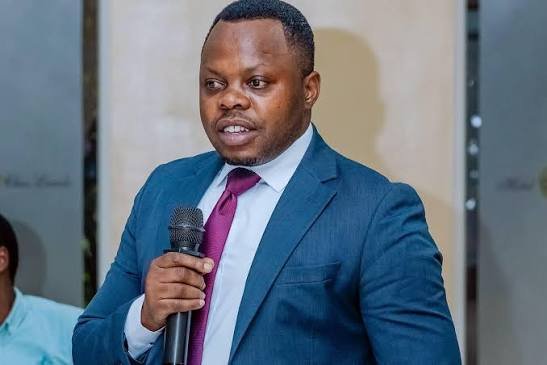
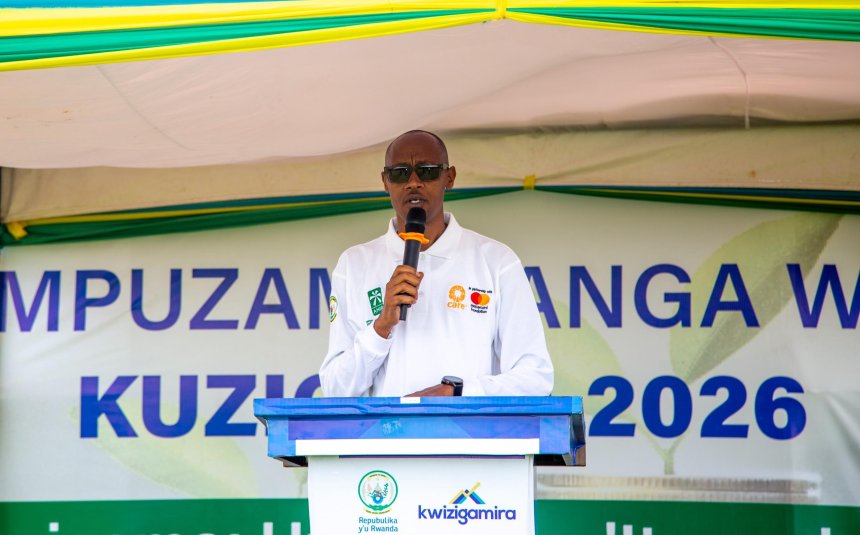
Utumatwishima shared the experience on October 30, 2026, as Rwanda prepares for elections of district council members, saying the failed attempt taught him important lessons about leadership, public engagement and understanding community priorities.
The minister said that after graduating from the former National University of Rwanda, he worked as a surgeon at Ruhengeri Hospital, where he handled major operations, including emergency abdominal surgeries.
“At the time, I had just become confident in performing major operations. Those who worked with me know that we operated on appendicitis and abdominal emergencies, including cases where the intestines were perforated or ruptured,” he said.
He recalled being called to the hospital at night to operate on patients whose intestines had been perforated, often due to typhoid, a disease associated with poor sanitation.
“We would clean the abdomen and struggle to reconnect the intestines. Sometimes complications would arise because the intestines would not join properly, and the healing process would take a long time, with waste leaking through the wound,” he said.
Utumatwishima said he was particularly frustrated by the fact that some patients could afford to brew and drink locally made alcoholic beverages but failed to pay their community-based health insurance contributions.
As a result, hospitals sometimes struggled to provide them with medicines, while some patients left without settling their bills.
He said the experience motivated him to seek a leadership position at the district level, where he hoped to address challenges related to unpaid health insurance contributions and poor sanitation.
Utumatwishima said he eventually submitted his candidacy for a seat on Musanze District Council, representing Muhoza Sector. His application was accepted, and he proceeded to the campaign stage.
However, he said he struggled to understand how to campaign, having never participated in an election before.
“The most difficult thing was knowing how to campaign. I had never taken part in another election, so where was I supposed to start? Another challenge was that we were many candidates, and we were each given only a few minutes to speak,” he said.
During his first campaign meeting, he introduced himself as a doctor who treated residents and explained how poor sanitation contributed to illness. He also spoke about how failure to pay health insurance contributions sometimes meant patients could not access medicines or left hospitals owing money.
He then asked residents to vote for him so he could help address those problems, but the response was not what he had expected.
“I would see that the residents were not applauding; they would just remain silent. Then another candidate would come and introduce himself, explaining what they would do in the sector, how they would improve livelihoods around the volcanoes, increase potato production, provide fertiliser and promote good governance,” he recalled.
After several campaign meetings, Utumatwishima said he became frustrated and asked someone accompanying him why voters appeared uninterested in his message.
The person told him that residents were not necessarily opposed to him personally but wanted candidates to address broader priorities, including economic development, good governance and infrastructure, rather than focusing mainly on medical problems.
“From then on, instead of continuing to campaign extensively, I decided to listen to how the other candidates presented themselves. On the final day, I withdrew my candidacy because I was afraid of being embarrassed at the polling station,” he said.
Utumatwishima said the experience encouraged him to become involved in youth leadership structures, starting at village level and gradually moving to district and national responsibilities.
He said volunteering helped him understand communities and the needs of ordinary Rwandans, while teaching him how to serve people more effectively.
“That is where I encountered volunteer responsibilities, which help you understand Rwandans and how you can support them if you are their leader. The lesson I learned is that starting volunteer activities after secondary school and during university connects you with citizens and helps you understand Rwandan society more fully,” he said.
The minister added that academic qualifications and professional experience alone do not make someone an effective leader.
He said aspiring local leaders must learn to work with others, listen to residents and avoid presenting themselves as superior to the people they seek to represent.
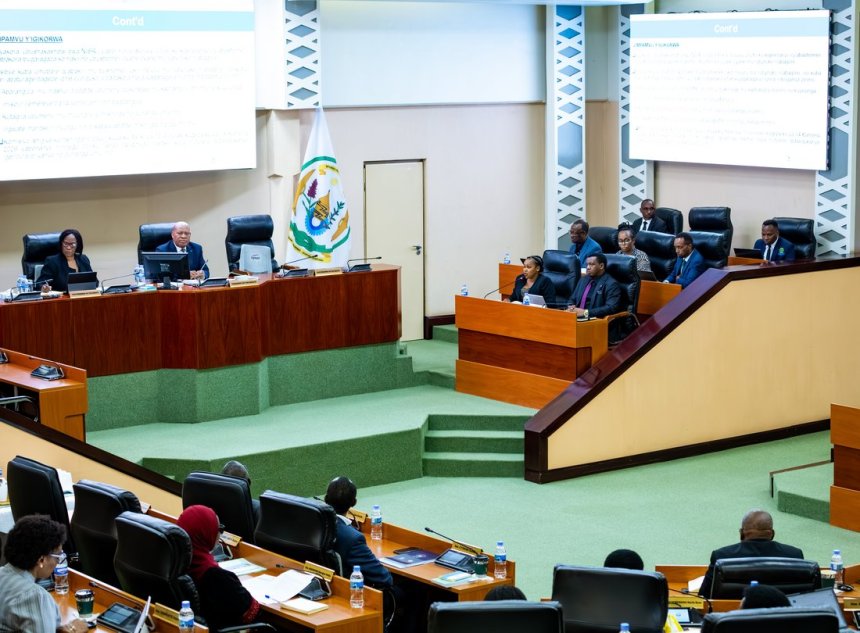
His account comes as Rwanda moves towards elections of district council members. On October 26, 2026, the National Electoral Commission published a provisional list of approved candidates, giving those who had not met all requirements until October 30 to complete their applications before the final list is issued.
Utumatwishima’s experience, he said, illustrates the importance of understanding what communities want and placing their priorities at the centre of leadership and public service.