Prime Minister Pledges Repairs to Irrigation Infrastructure in Rulindo Wetland.
Prime Minister Dr. Justin Nsengiyumva has pledged government support to repair damaged irrigation infrastructure in Nyarububa Wetland in Rulindo District, urging farmers to contribute to maintaining the facilities to sustain agricultural production.

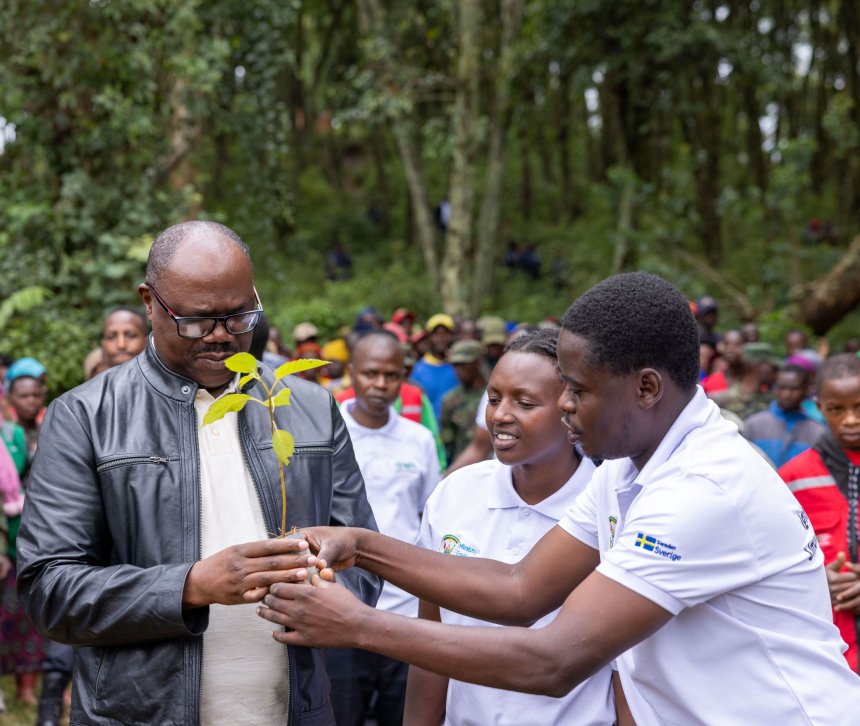
He made the commitment on October 10, 2026, while officially launching the 2027A agricultural season, known as Season A, at Nyarububa Wetland.
Located across Rukozo and Cyungo sectors, the wetland is cultivated by 1,302 farmers organised under the KOYAKIRU Cooperative. It covers 97.27 hectares and is one of Rulindo District’s key agricultural production areas.
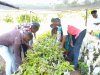
During the 2027A season, farmers planted maize on 85.77 hectares, Irish potatoes on 10 hectares and vegetables on 1.5 hectares. At the time of the national season launch, only 0.3 hectares of land earmarked for maize cultivation remained unplanted.
The wetland was developed in 2008 under the Second Rural Sector Support Project (RSSP II), an initiative designed to increase agricultural productivity in wetlands and hillside farming areas.
Irakarama Gonzague, a farmer from Rukozo Sector, said agricultural production had improved significantly since the wetland was developed.
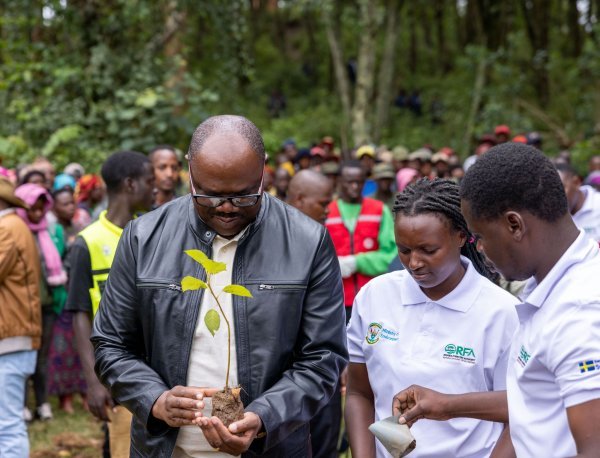
Before the project, farmers cultivated different crops on scattered plots, including taro, cassava and sugarcane. The wetland’s development enabled them to consolidate their land and adopt more organised farming practices, including growing a single crop across larger areas.
As a result, maize yields have increased from 2.5 tonnes per hectare to 6.5 tonnes, while bean production has risen from 1.5 tonnes to 3.5 tonnes per hectare. Farmers have also gained access to crop insurance.
Despite these improvements, inadequate water supply remains a major challenge, particularly during dry periods. Some of the irrigation infrastructure installed under RSSP II has deteriorated, preventing the available water from reaching all cultivated plots.
Farmers also face soil erosion from surrounding hillsides, which damages crops during periods of heavy rainfall.
Dr. Nsengiyumva urged farmers to take greater responsibility for maintaining the infrastructure provided to them, rather than allowing it to deteriorate. He encouraged them to work with Rulindo District authorities to set aside a small portion of their agricultural earnings for repairs and maintenance, while assuring them that the government would support the rehabilitation of the irrigation systems.
“As a cooperative, you should consider setting aside a small amount of the income you earn from farming to maintain the water reservoirs. You can also contribute through community work. As for the irrigation systems, we will repair them. The Director General of the Rwanda Agriculture and Animal Resources Development Board (RAB) is here, and they will follow up on the matter,” he said.
The Prime Minister added that farmers would be expected to ensure the infrastructure remained functional after the repairs were completed.
“What we want is that when we return next year, you should not tell us that the systems have broken down again. We ask you to work with us to make sure they are properly maintained,” he said.
Beyond agricultural production, Dr. Nsengiyumva called on residents and local leaders to intensify efforts to combat child stunting, stressing that increased agricultural output should translate into better nutrition and healthier child development.
He noted that stunting rates in Rulindo remained concerning, citing figures suggesting that three out of every 10 children in the district were affected.
“If we examine 10 children in Rulindo, we may find that three are stunted, which is a significant number. A country that aspires to dignity cannot afford to have children suffering from stunting. A country with stunted children is a country whose people are not reaching their full potential. You should work to bring those figures down significantly over the coming years,” he said.
Rulindo District Mayor Mukanyirigira Judit said local authorities had identified children affected by stunting and begun providing targeted nutrition education to their parents to help them change their feeding practices and prepare balanced meals.
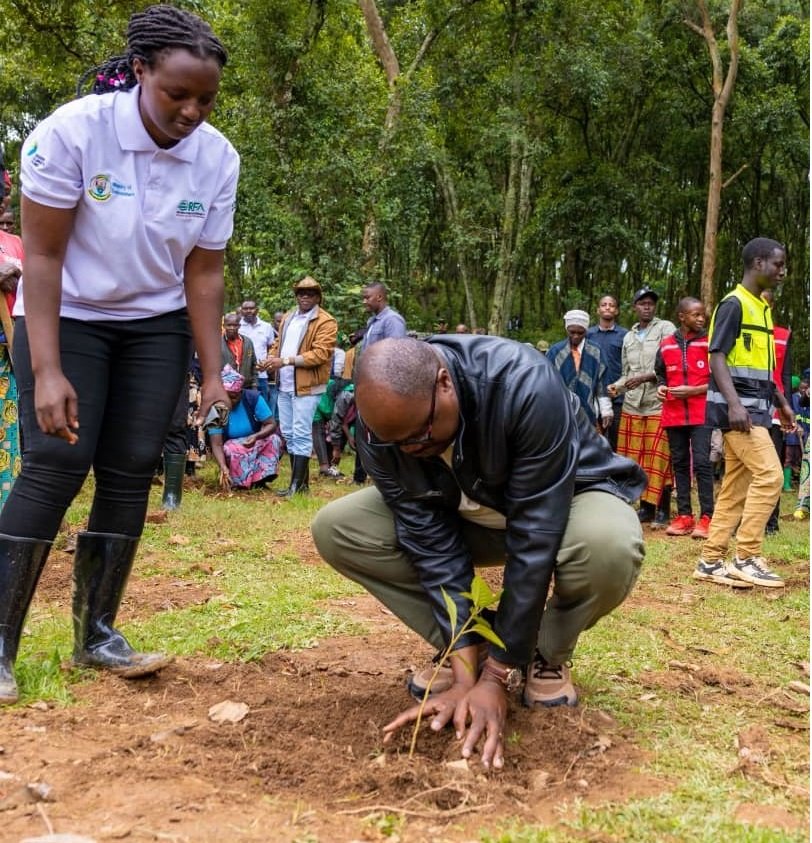
Children with more severe cases are referred to health centres, where they receive specialised assistance.
The Prime Minister also urged residents and local authorities to prepare for heavy rainfall expected during the agricultural season, both by adopting appropriate farming practices and by ensuring their homes and settlements were safe.
He emphasised the importance of taking preventive measures to minimise the potential damage caused by heavy rains.
The visit to Nyarububa Wetland highlighted the importance of maintaining agricultural infrastructure, improving productivity and ensuring that increased farm output contributes to better household nutrition and living conditions.