Rwanda Seeks Stronger Linkages Between Agricultural Finance and Agribusinesses
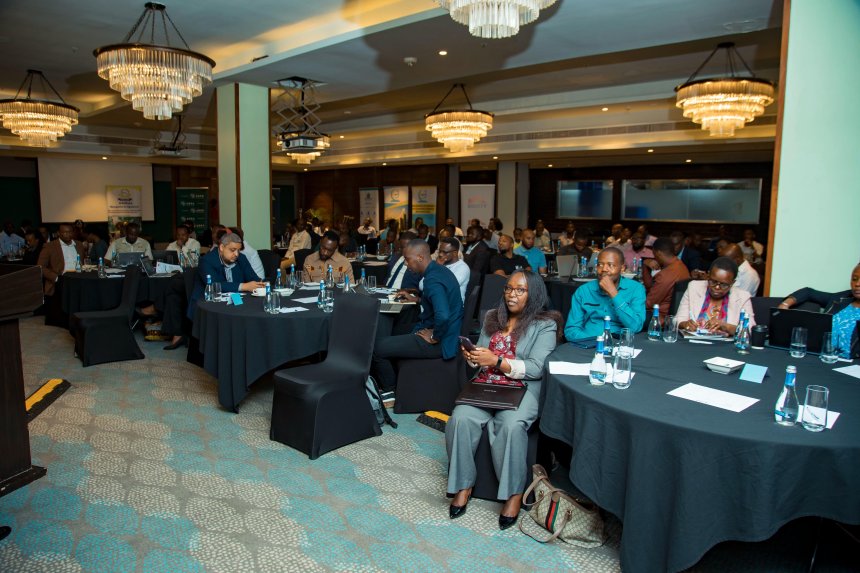
KIGALI, Rwanda — AGRA, in collaboration with the Ministry of Agriculture and Animal Resources (MINAGRI), with support from the Mastercard Foundation, convened an Agricultural Financial Products Awareness, Linkage and Coordination Session on Friday to strengthen access to finance for farmers, agribusinesses and young entrepreneurs.

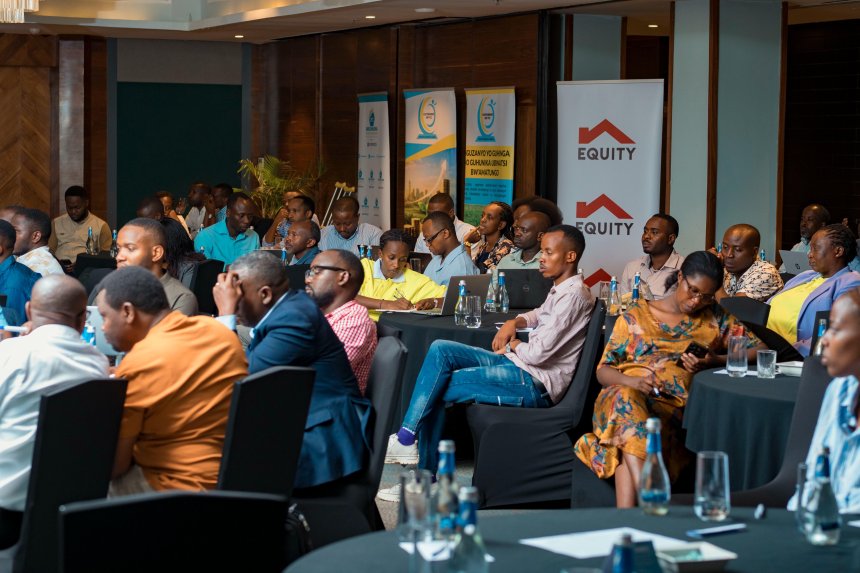
The session brought together financial institutions, government agencies, development partners, private-sector actors and youth-led agribusinesses to improve awareness of available financial products and create direct connections between lenders and potential borrowers.
Peter Okomoh, AGRA Country Program Lead in Rwanda, said the engagement was designed to move beyond discussions and create practical connections between financial service providers and businesses seeking capital.

“The opportunity that we see is really for practical linkages, and the purpose of today’s engagement is to create those linkages.”
He said participants should gain practical information on available products, eligibility requirements, financing limits, pricing, interest rates and repayment arrangements.
“We want to see young people freely interact with financial service providers, understand the requirements and opportunities, and, much more importantly, access funding for their businesses.”
Dr. Kamana Olivier, Permanent Secretary at MINAGRI, emphasized the need for financial products that respond to the realities of agriculture, including production and cash-flow cycles.
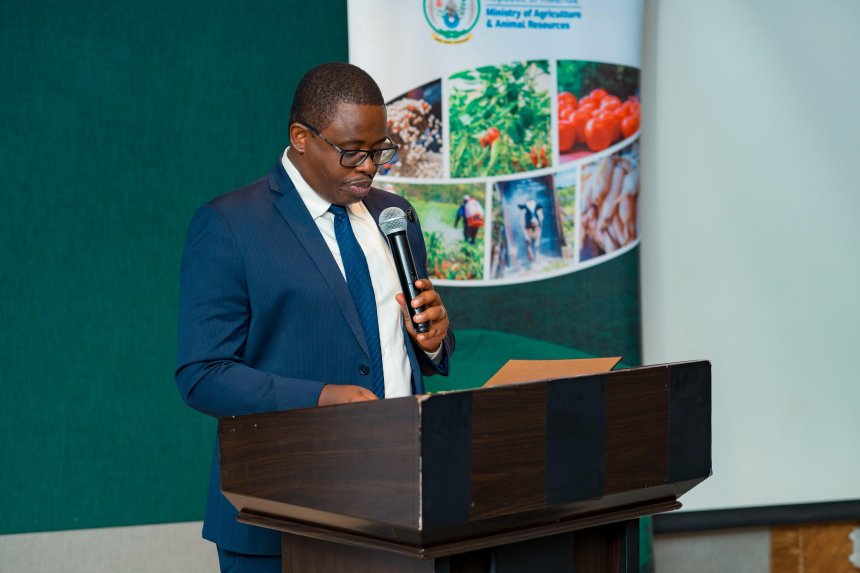
“We must ensure that financing reaches farmers and businesses at the right time, with appropriate terms and in ways that support productivity, value addition and employment.”
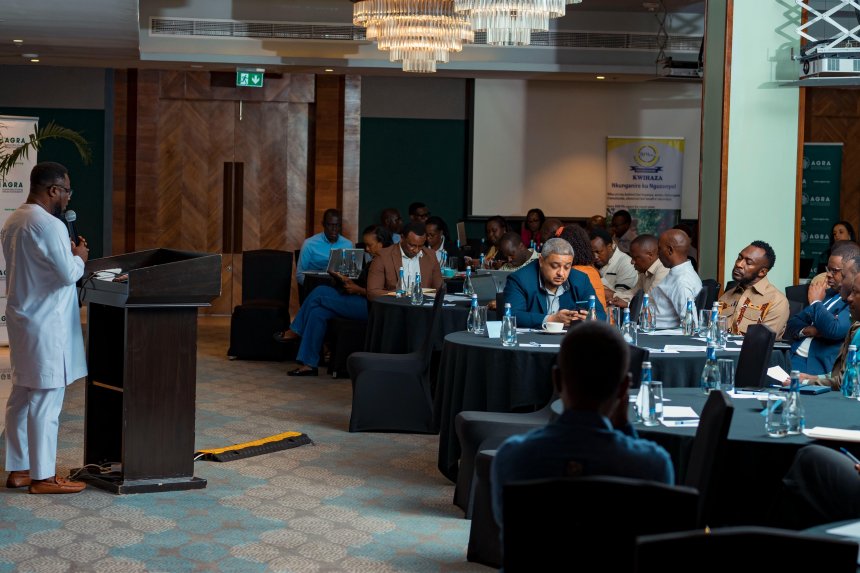
The engagement comes as access to agricultural finance continues to improve. According to figures cited from the National Bank of Rwanda (BNR), new lending to agriculture increased by 177 percent in the first half of 2026, while agriculture’s share of overall new lending rose from 2.5 percent to 5 percent.
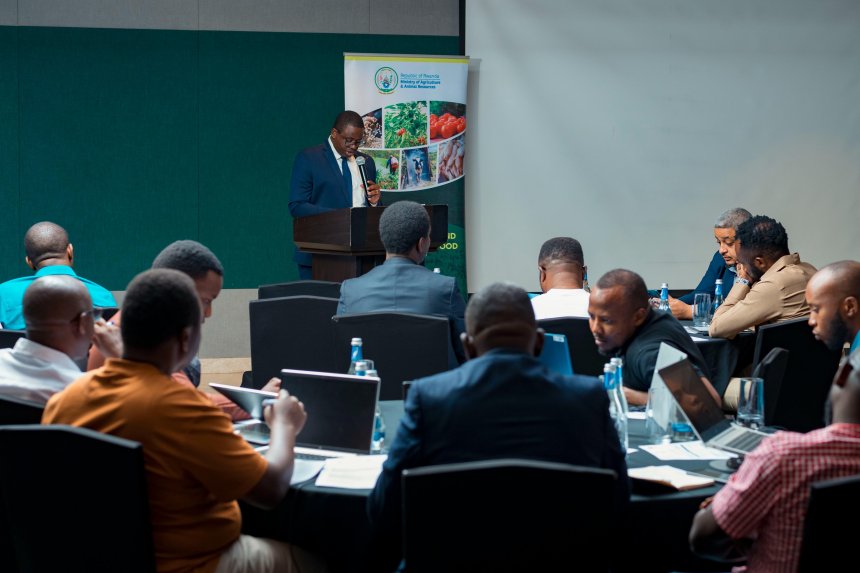
The session seeks to build on this progress by ensuring that available financial products are better connected to viable agricultural businesses and young entrepreneurs.