Rwanda’s Agricultural Exports Surpass $1.1 Billion.
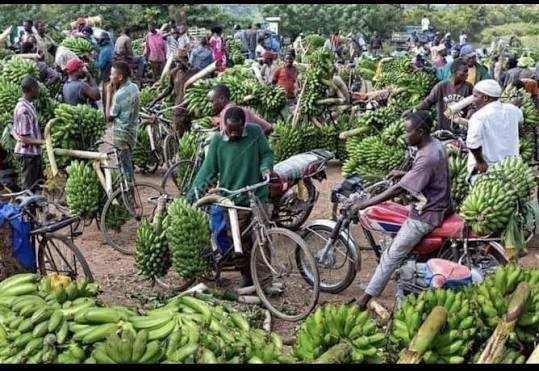
Rwanda has recorded a historic milestone, earning more than $1.1 billion, equivalent to nearly RWF 1.6 trillion, from agricultural and livestock products exported during the 2025/2026 fiscal year, according to the National Agricultural Export Development Board (NAEB).


The revenue, generated between July 2025 and June 2026, represents a 24.3% increase compared with the $893 million earned in the previous fiscal year. The growth highlights the continued expansion of Rwanda’s agricultural sector and its growing contribution to the national economy through increased exports.
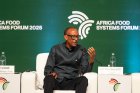
NAEB Chief Executive Officer Claude Bizimana described the achievement as an important milestone for Rwanda’s agricultural export sector.
“Earning more than one billion dollars is a major milestone for Rwanda’s agricultural exports. It demonstrates the country’s commitment to developing the sector and strengthening its position in international markets,” he said.
The achievement comes as Rwanda seeks to increase agriculture’s contribution to the economy by improving production quality, strengthening standards and expanding international markets for its agricultural products.
Rwanda continues to invest in infrastructure designed to reduce post-harvest losses and improve the quality of agricultural exports. Through NAEB, the government has established facilities for testing product quality, handling damaged produce and collecting agricultural products for export to international markets.
One of the key facilities is the Specialized Export Quality Inspection (SEQI) facility, which has strengthened Rwanda’s capacity to assess the quality of agricultural products and ensure that exports meet international standards.
The government has also established collection centres for fruits and vegetables to help reduce post-harvest losses.
These facilities provide Rwanda and international buyers with evidence that the country’s agricultural products meet required international quality standards.
NAEB has also introduced systems to track agricultural products throughout the supply chain, from the farm where a crop is grown to the final product. This helps integrate information about quality, collection, processing and export.
Testing and ensuring the quality of products sold on international markets is a major factor behind the increase in Rwanda’s export earnings. NAEB works with farmers and agricultural quality experts to regularly assess products before they are shipped overseas, ensuring that they meet international standards.
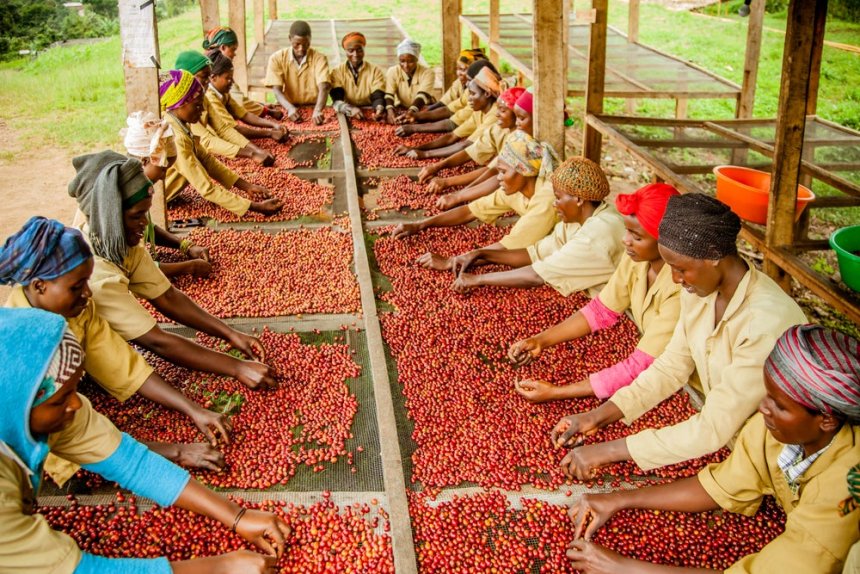
Rwanda’s tea and coffee receive particular attention because international buyers often determine their value based on characteristics such as appearance, colour, aroma and taste.
The development of infrastructure and stronger quality control systems is expected to help exporters meet international market requirements, increase the value of agricultural products and make Rwandan produce more competitive among international buyers.
The government, through NAEB, has also supported the promotion of agricultural products in international markets by participating in trade fairs and establishing relationships with regular buyers.
These efforts have enabled exporters to showcase Rwandan agricultural products, understand international quality standards and develop business partnerships with international buyers.
The government has also promoted innovation and the use of technology in agriculture to improve product quality, reduce post-harvest losses and accelerate the expansion of international markets.
For coffee in particular, Rwanda organizes an annual international competition showcasing the quality of Rwandan coffee. The competition brings together coffee processors and both local and international participants to evaluate different coffee varieties.
The competition allows coffee processors and exporters to showcase their products, while the highest quality coffees receive awards and are connected with international buyers. It also helps coffee producers understand quality assessment processes and how high quality specialty coffee can attract greater value on international markets.
Beyond coffee, Rwanda is working to expand international markets for agricultural products in order to reduce reliance on a limited number of markets and create more opportunities for exporting higher value agricultural goods.
The growth in agricultural exports is also supported by efforts to increase production.
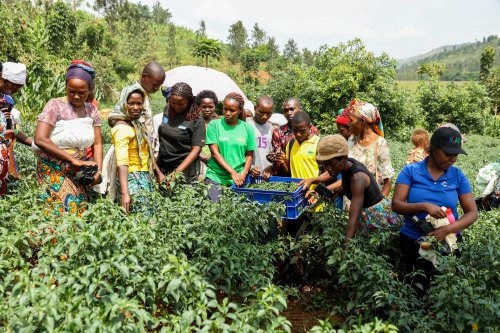
Through NAEB programmes, the government supports farmers with improved and climate resilient seeds, planting materials, technical knowledge, agricultural extension services and other measures aimed at improving both productivity and quality.
Farmers remain central to Rwanda’s agricultural export strategy because the quality and quantity of products available for international markets depend heavily on production practices and post-harvest handling.
NAEB also conducts awareness campaigns and capacity building programmes for farmers. These programmes teach farmers about quality requirements, proper harvesting methods, post-harvest handling and what to expect from international markets.
NAEB says improving product quality will help ensure that Rwanda’s growing agricultural output is transformed into competitive products capable of succeeding in international markets.
These efforts have positioned Rwanda on a strong path toward achieving the objectives of the Second National Strategy for Transformation (NST2) and the Fifth Strategic Plan for Agriculture Transformation (PSTA5).
Rwanda has set a target of earning $1.5 billion from agricultural and livestock exports by the 2028/2029 fiscal year. Based on the $1.1 billion earned in 2025/2026, the country has already achieved approximately 73% of that target.
Both development strategies focus on increasing production, expanding markets, adding value to agricultural products and improving the competitiveness of Rwanda’s agricultural exports.
Although NAEB has welcomed the achievement, it says the milestone should be viewed as a starting point rather than the end goal.
Claude Bizimana said the next phase will focus on increasing export profitability, expanding international markets for Rwandan agricultural products, adding value and strengthening farmers’ capacity to withstand the challenges they face.
“As Rwanda continues to achieve the objectives of NST2 and PSTA5, NAEB is committed to working closely with all stakeholders to increase export earnings, expand products and markets, add value and strengthen resilience and competitiveness.”