Rwanda Calls for Greater Investment in Women Farmers
KIGALI, August 31, 2026 — Rwanda has called for greater investment in women farmers, saying empowering them is essential to building resilient, inclusive and sustainable food systems across Africa.

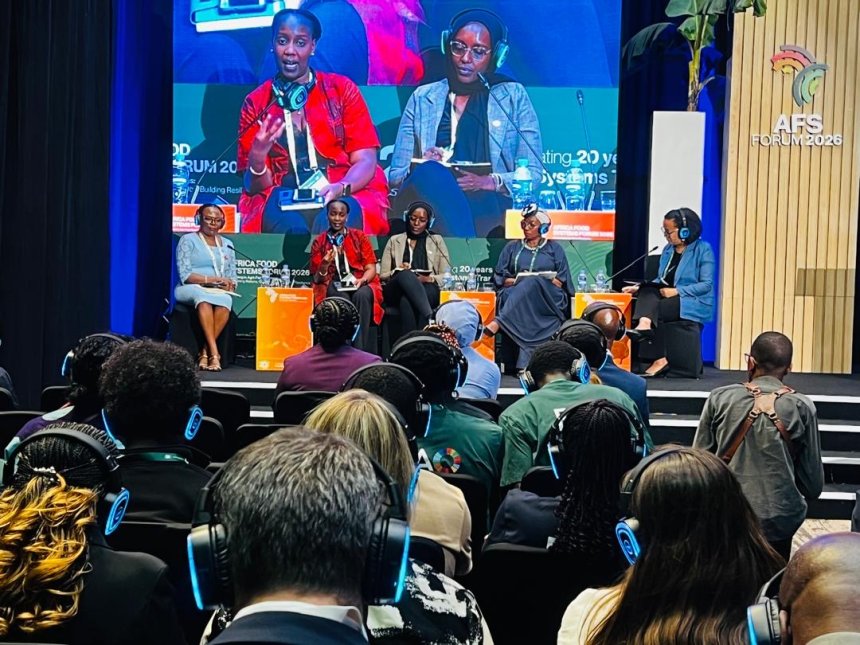
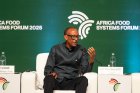
The call was made by Uwimana Consolée, Rwanda’s Minister of Gender and Family Promotion, during a continental side event held in Kigali on Monday as part of the African Food Systems Forum (AFSF) 2026.
“There is no future for our food systems without women,” Minister Uwimana said, underscoring the central role women play in agriculture as farmers, entrepreneurs, innovators and environmental stewards.

She noted that despite their significant contribution to agriculture, women continue to face barriers to productive resources and economic opportunities, including limited access to finance, technology, extension services, markets and control over land.
“Women are very important in the agriculture sector, but they do not always benefit equally from the opportunities that agriculture creates,” she said.

According to figures cited by the Minister, about 62 percent of employed women in Rwanda worked in agriculture in 2024, compared with 41 percent of employed men.
Minister Uwimana said Rwanda has made progress in strengthening women’s rights to land, property and inheritance, but stressed that legal rights must translate into greater decision-making power, productivity and income.
“Our ambition should be to see more women become successful commercial farmers, agribusiness owners, large-scale processors, exporters, innovators and decision-makers across the entire food system,” she said.
She outlined five key shifts needed to accelerate progress: moving from access to agency; from subsistence to profitable value chains; from climate vulnerability to climate leadership; from consultation to meaningful ownership; and from unpaid care to shared care.

The Minister also emphasized the importance of positioning women farmers as key actors in climate action and environmental protection.
She called for greater access to climate finance and support for women-led innovations in areas such as soil protection, water management, agroforestry and climate-resilient farming.
“For Rwanda, the priority now is implementation with accountability,” Minister Uwimana said, urging stakeholders to ensure that agricultural and environmental programmes are gender-responsive and effectively connect women to finance, technology and profitable markets.
She further called for sustained action beyond the International Year of the Woman Farmer 2026.
“Let 2026 become the year in which the world not only recognizes the woman farmer, but invests in her, listens to her voice, and continues to remove the barriers that stand between her work and her full potential,” she said.

The continental side event was jointly organized by FAO Headquarters in Rome, FAO Rwanda and UNDP Rwanda under the theme “Celebrating Women Farmers at the Heart of the Environment–Agriculture Nexus: Continental and Global Perspectives.”
The event brought together policymakers, development partners, women farmers, agribusiness leaders and other stakeholders to explore how greater investment in women can strengthen food security, climate resilience, environmental sustainability and inclusive economic growth across Africa.