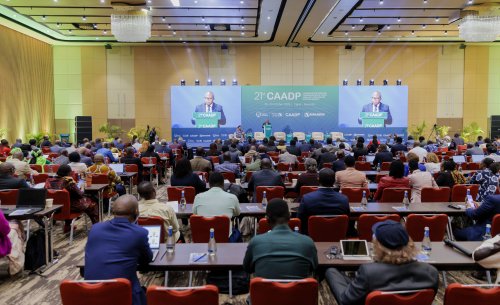
Rwanda FDA Chief Arrested Over Substandard Alcohol Case.
Rwanda’s Investigation Bureau (RIB) has arrested Rwanda FDA Director General Emile Bienvenu and 17 other officials over alleged crimes linked to the production and distribution of substandard alcoholic beverages.

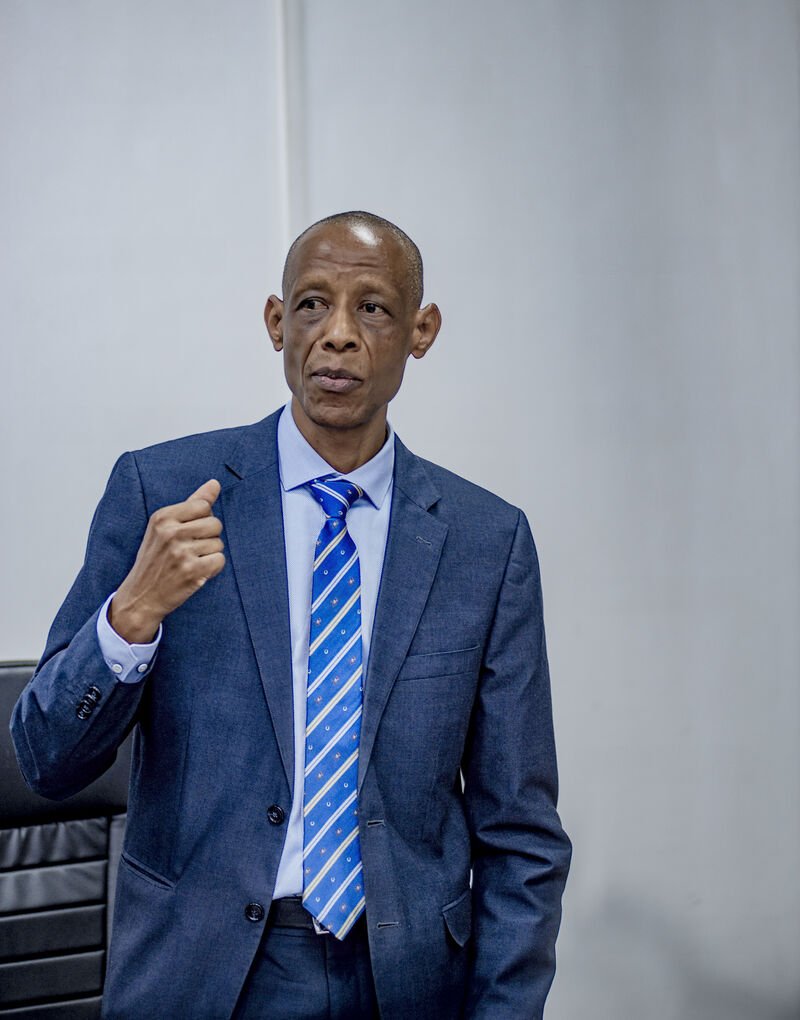
Of the 18 officials arrested, 10 work for Rwanda FDA, while the remaining eight include officials from the Rwanda Standards Board (RSB), as well as executive secretaries from sectors and cells.
All 18 suspects were presented to the media on Thursday, August 13, 2026, at RIB headquarters in Kimihurura, Kigali.
Speaking to journalists, RIB spokesperson Dr. Murangira B. Thierry, said since July 20, 2026, a total of 97 case files related to the production and distribution of substandard alcoholic beverages had been submitted to the prosecution.
He said some of the arrested officials are suspected of abusing the authority entrusted to them by the government, while others allegedly facilitated alcoholic beverage manufacturers to operate despite failing to meet the required standards.
“Some of these officials abused the powers entrusted to them by the government and used them for their personal interests,” Dr. Murangira said.
He added that officials found guilty of abusing their authority for personal gain could face between seven and 10 years in prison, or a fine ranging from Rwf5 million to Rwf10 million.
According to RIB, some of the suspects were responsible for monitoring compliance with quality standards. Some local government officials are also accused of unlawfully issuing licenses to factories that produced alcoholic beverages that did not meet the required standards.
The investigation further found that some factories were operating in violation of Good Manufacturing Practice (GMP) requirements.
“Some manufacturers used labels that made their products appear legally approved, while the beverages were actually produced in unhygienic facilities,” Dr. Murangira said.
Investigators also identified irregularities in product registration. In some cases, factories registered certain products but later went on to manufacture additional products that had not been registered.