We Want Success Stories to Become the Norm,” Says Alice Ruhweza
Africa’s agricultural transformation over the past two decades has been shaped by farmers, governments, scientists, businesses and development partners working together, but the next chapter must ensure that successful stories become the norm rather than isolated exceptions, AGRA President Alice Ruhweza said during a panel discussion at the official opening of the Africa Food Systems Forum (AFSF) 2026 in Kigali.

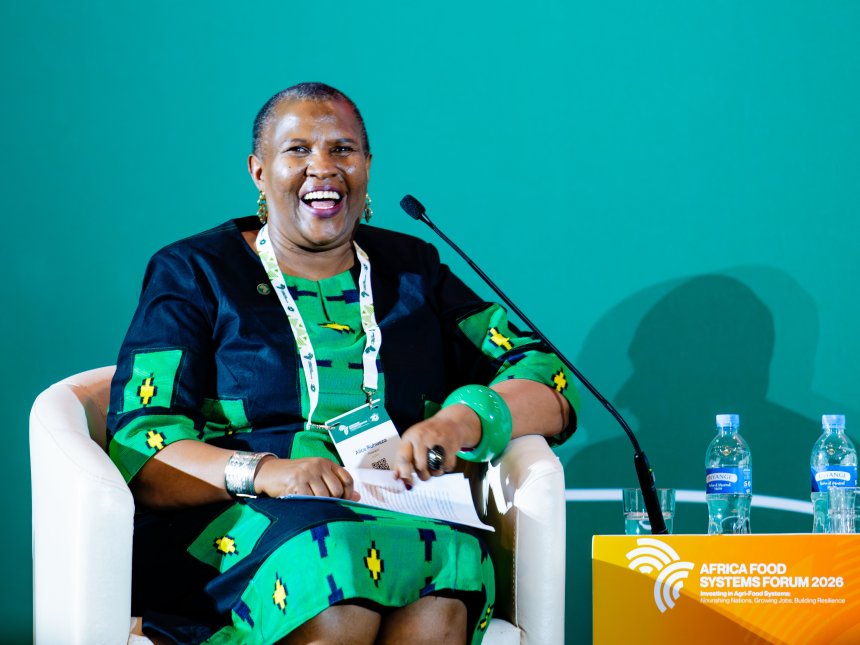
Africa’s agricultural transformation over the past two decades has been shaped by farmers, governments, scientists, businesses and development partners working together, but the next chapter must ensure that successful stories become the norm rather than isolated exceptions, AGRA President Alice Ruhweza said during a panel discussion at the official opening of the Africa Food Systems Forum (AFSF) 2026 in Kigali.
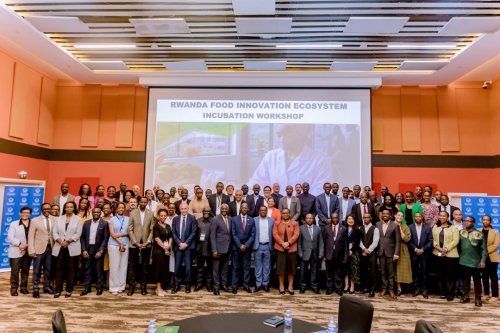
Ruhweza joined African leaders and food-system stakeholders at the opening of AFSF 2026, which is bringing together more than 5,000 participants from about 50 countries to discuss investment, food security and nutrition, climate resilience, youth, innovation, trade and markets.
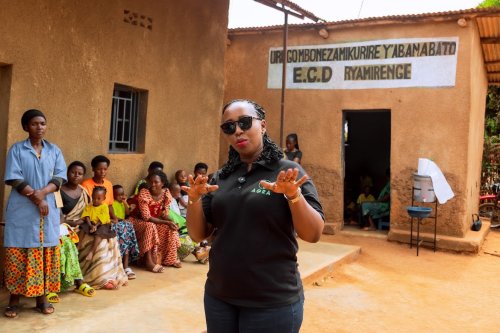
Reflecting on AGRA’s 20-year journey, Ruhweza said the organisation began with a clear conviction that Africa’s smallholder farmers were not simply waiting to be saved. Rather, they needed the conditions around them to work, including soils, seed, science, knowledge, markets, finance, policy and partnerships.
“The farmers always had the innovation of courage; they just needed a system to carry them forward,” Ruhweza said.
She stressed that AGRA’s journey is not the story of one institution, but of a much wider ecosystem involving governments, resource partners, scientists, village-based advisors, seed companies, agro-dealers, cooperatives, financiers and entrepreneurs.
Ruhweza also highlighted the changing role of farmers and young Africans in the food system, pointing to farmers who are increasingly able to view agriculture not only as a means of survival, but as a business, alongside young people entering the sector as scientists and entrepreneurs.
She said the ambition now is to ensure that the successful stories emerging across Africa are no longer isolated cases, but can be replicated and taken to scale.
“Many of these stories that we now no longer want to be an exception; we want them to be the norm,” she said.
The reflection comes as AGRA marks its 20th anniversary and looks towards the next phase of Africa’s food systems transformation. AGRA’s 2026 Impact, Learning and Foresight Report acknowledges significant progress over the past two decades, including roughly doubled farm output in real terms and cereal yield growth of about 40 percent, while noting that these gains have not yet translated into the level of farmer prosperity and food security required.
For Ruhweza, the next 20 years therefore represent an opportunity to build on the progress already made while strengthening the systems and partnerships that can help successful solutions reach more farmers across the continent.
The Africa Food Systems Forum 2026 is taking place in Kigali from 31 August to 4 September, bringing together more than 5,000 participants from about 50 countries. The forum is also marking 20 years of Africa’s food-systems transformation efforts and AGRA’s 20th anniversary, creating a moment to reflect on progress while defining a more ambitious path for the continent’s food future.
The official opening also showcased Rwanda’s cultural heritage, with participants welcomed through traditional songs, drums, dancers and Intore performances, setting the tone for a gathering centred on Africa’s collective ambition to transform its food systems.