Agri-Food Systems Partners Champion Childcare Solutions to Unlock Women’s Economic Participation in Rwanda
KIGALI, Rwanda | July 9, 2026 — Partners implementing the Mastercard Foundation Agri-Food Systems Portfolio in Rwanda have identified innovative childcare solutions as a critical pathway to increasing women’s participation in the agri-food sector and accelerating youth employment.

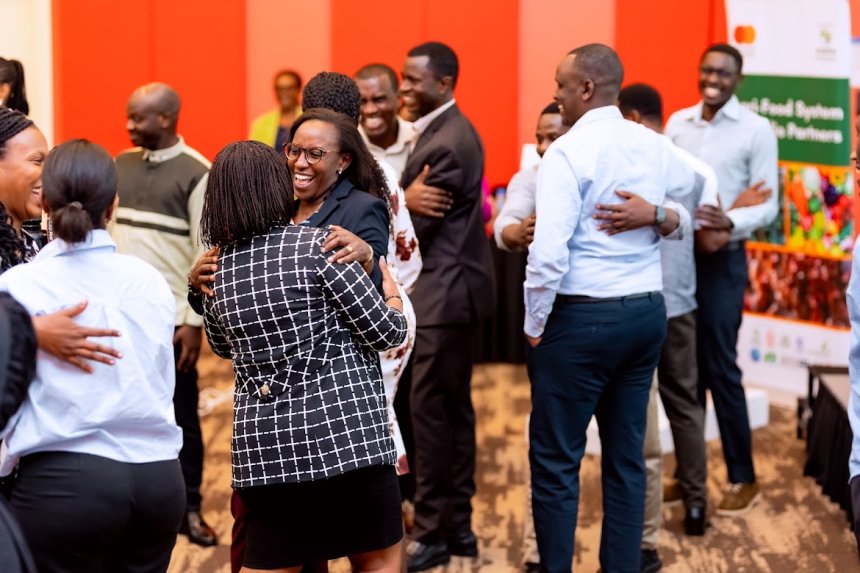
During the second day of the Agri-Food Systems Portfolio Partner Convening in Kigali, partners shared evidence, lessons and scalable childcare models designed to remove one of the biggest barriers preventing women from fully participating in economic opportunities.
Lucia Zigizira, Senior Partners Coordination Officer at AGRA in Rwanda, said childcare remains a major constraint to women’s participation across agricultural value chains and called for practical solutions that respond to local realities.
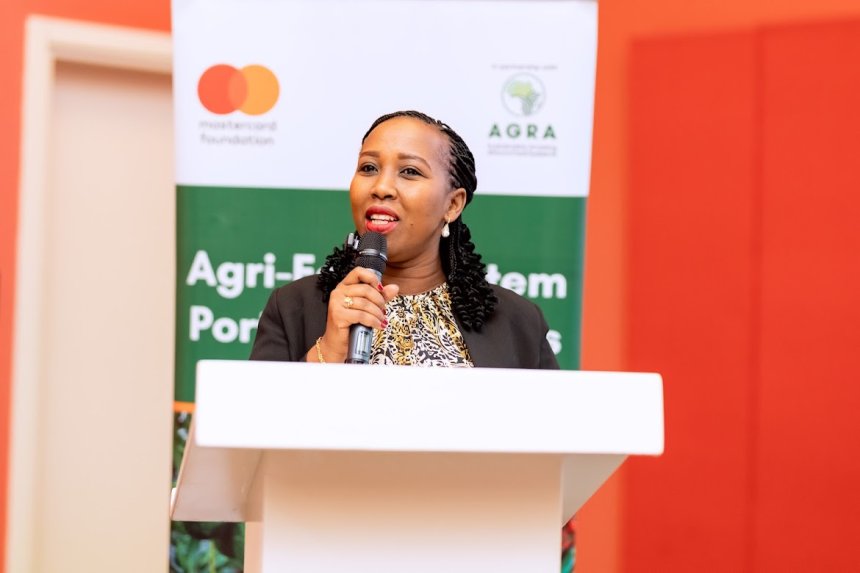
“Women cannot fully participate in the agri-food sector if childcare remains a barrier. We must work together to develop practical, community-led solutions that protect children while enabling women to seize economic opportunities.”
She encouraged partners to use the convening to learn from one another and identify approaches that can be replicated across programmes.
“This is an opportunity to learn from one another and identify childcare models that are practical, scalable and responsive to the realities faced by women working across agricultural value chains.”
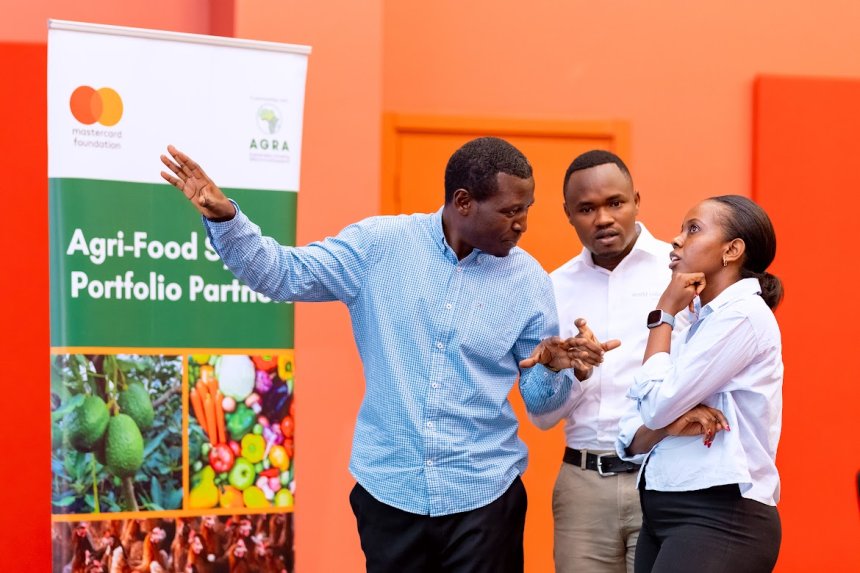
Delice Fatiro, Lead, Youth Engagement & Inclusion at Mastercard Foundation, said childcare is fundamental to achieving the Foundation’s goal of creating dignified and fulfilling work for young people, particularly young women.
“Unless we address childcare and caregiving responsibilities, we will not fully unlock the potential of young women. For many, the first question is not whether there is a job, but who will take care of their child.”
Fatiro urged partners to move beyond recognising childcare as a challenge and focus on building solutions that communities can sustain.
“We must move beyond saying childcare is important to building solutions that communities trust and that remain sustainable beyond our programmes.”
The session also presented findings from a national childcare assessment conducted across 14 districts, highlighting gaps in childcare services and identifying four priority models for piloting within agri-food programmes.

Sharing lessons from the Mastercard Foundation-supported SERVE (Supporting and Enhancing Resilient and Viable Employment Opportunities) programme, Ingrid Marie Mukobwawase, Safeguarding Technical Advisor at CARE International Rwanda, said childcare is both a safeguarding and inclusion priority.
“We have to protect children while enabling young women to participate fully in project activities.”
CARE is piloting rotational peer-caregiving within farmer groups, establishing mobile childcare spaces near worksites and training caregivers on child safeguarding.
Presenting African Evangelistic Enterprise (AEE) Rwanda’s experience, Ancilla Nibigira, Gender Equality and Social Inclusion Advisor and Safeguarding Focal Person, said childcare directly influences women’s productivity.
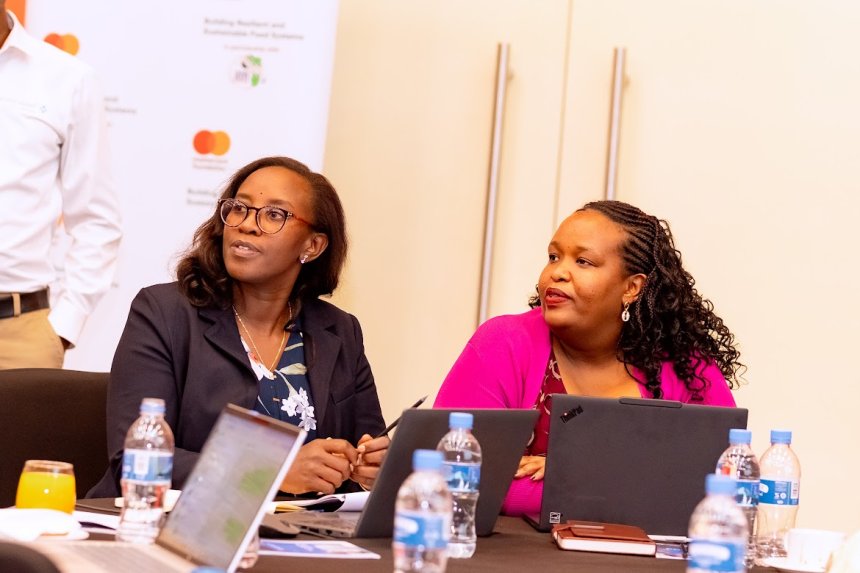
“When mothers know their children are safe, they participate more actively. Childcare enables women to attend trainings, make decisions and increase productivity."
AEE is strengthening home-based Early Childhood Development centres and community-managed childcare through the Youth Entrepreneurship for the Future of Food and Agriculture (YEFFA) programme.
Drawing on World Relief Rwanda’s experience, Yannick Niyireba, Director of Programmes, emphasized that sustainable childcare depends on community ownership.
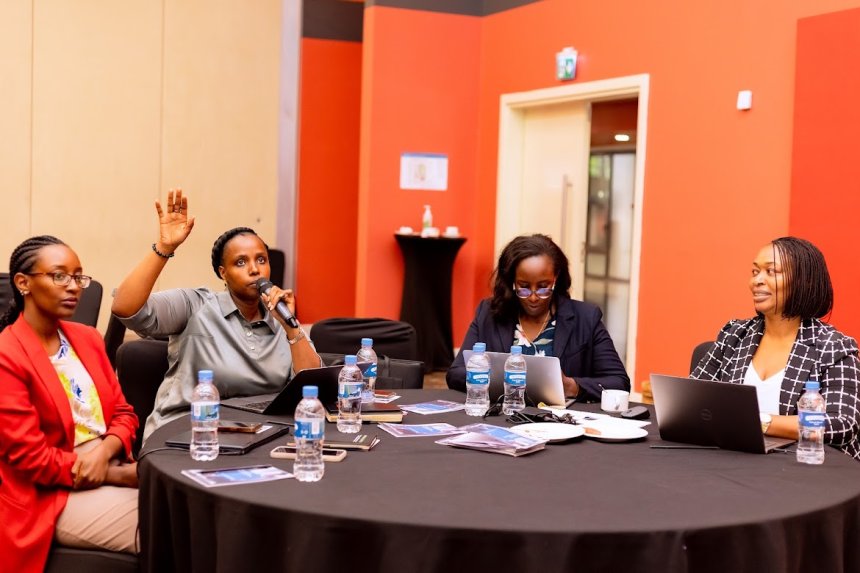
“Parents support childcare when they understand its value. Community ownership and trained caregivers are key to quality childcare.”
World Relief has established home-based Early Childhood Development centres, trained more than 1,800 caregivers and introduced mobile childcare services during trainings and community events.
Participants agreed that investing in safe, accessible and community-owned childcare systems is essential to increasing women’s productivity, strengthening child safeguarding and building more inclusive and resilient agri-food systems.

The Agri-Food Systems Portfolio Partner Convening concludes on 10 July with a field learning visit to Rwamagana District, where participants will observe childcare innovations supporting women entrepreneurs, youth employment and inclusive growth in Rwanda’s agri-food sector.