Digital Finance Helping Young Farmers Create Jobs and Increase Agricultural Productivity in Gicumbi
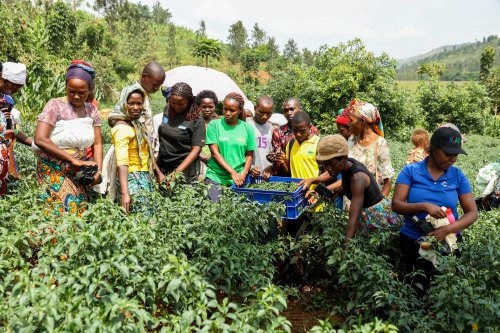
GICUMBI, Rwanda – Access to finance remains one of the biggest challenges facing young people seeking to build successful businesses in agriculture. However, innovative digital lending solutions are helping to change that reality for hundreds of youth farmers in Rwanda.

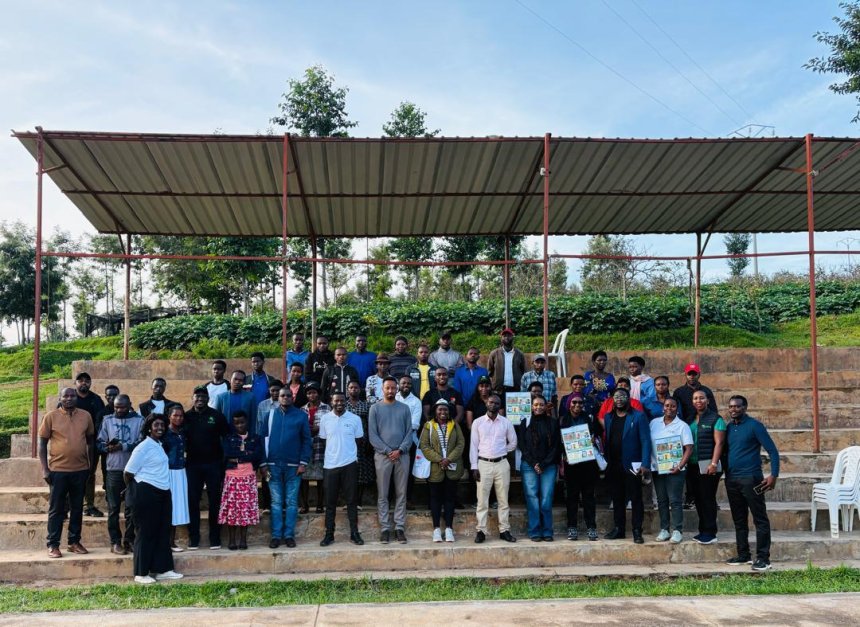
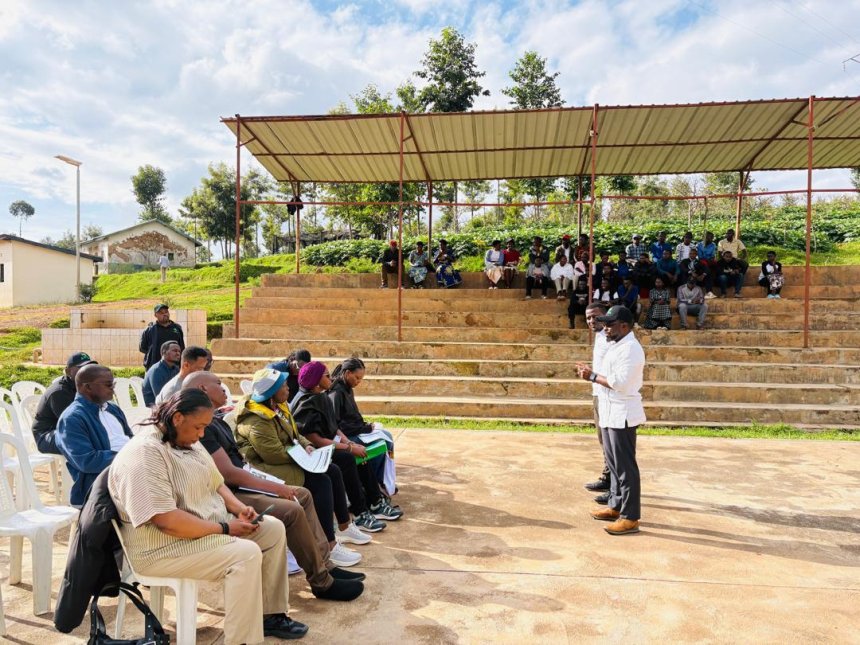
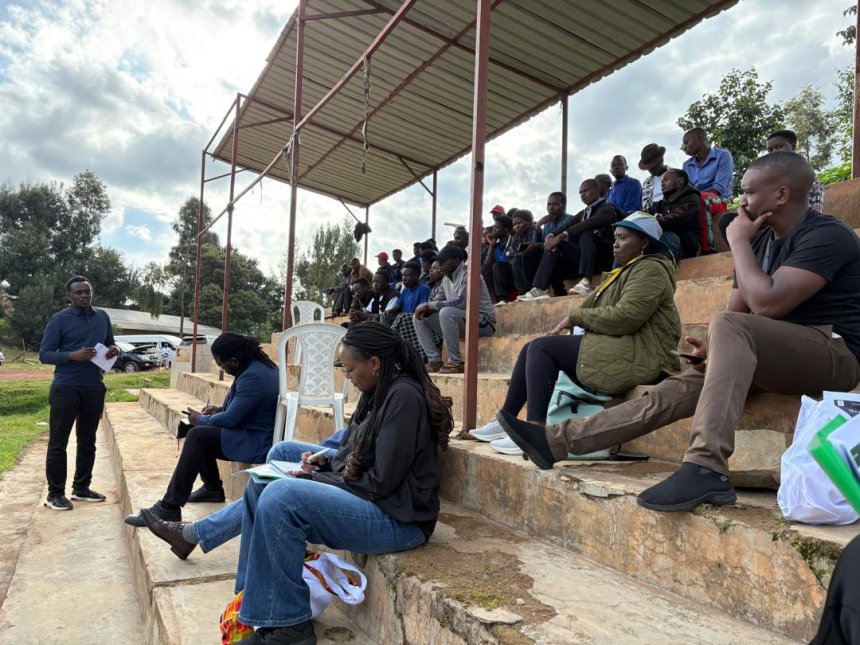
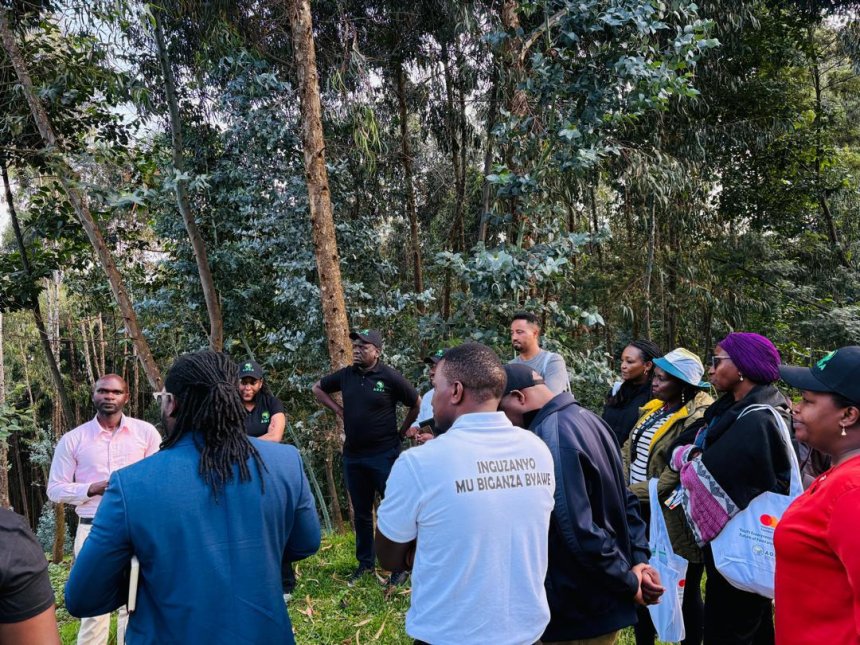
During a field visit conducted by AGRA Rwanda and the Mastercard Foundation-PANA on June 2, 2026, stakeholders witnessed firsthand how digital agricultural finance provided through MoneyPhone Finance is transforming livelihoods and creating opportunities for young agripreneurs in Gicumbi District.
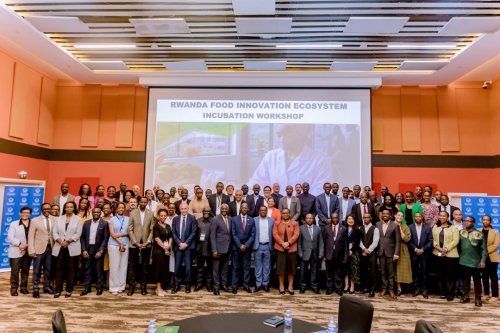
The visit brought together representatives from AGRA, the Mastercard Foundation, MoneyPhone Finance, cooperative leaders, youth beneficiaries, and local government officials to assess the impact of digital financing services on agricultural productivity, job creation, and enterprise growth.
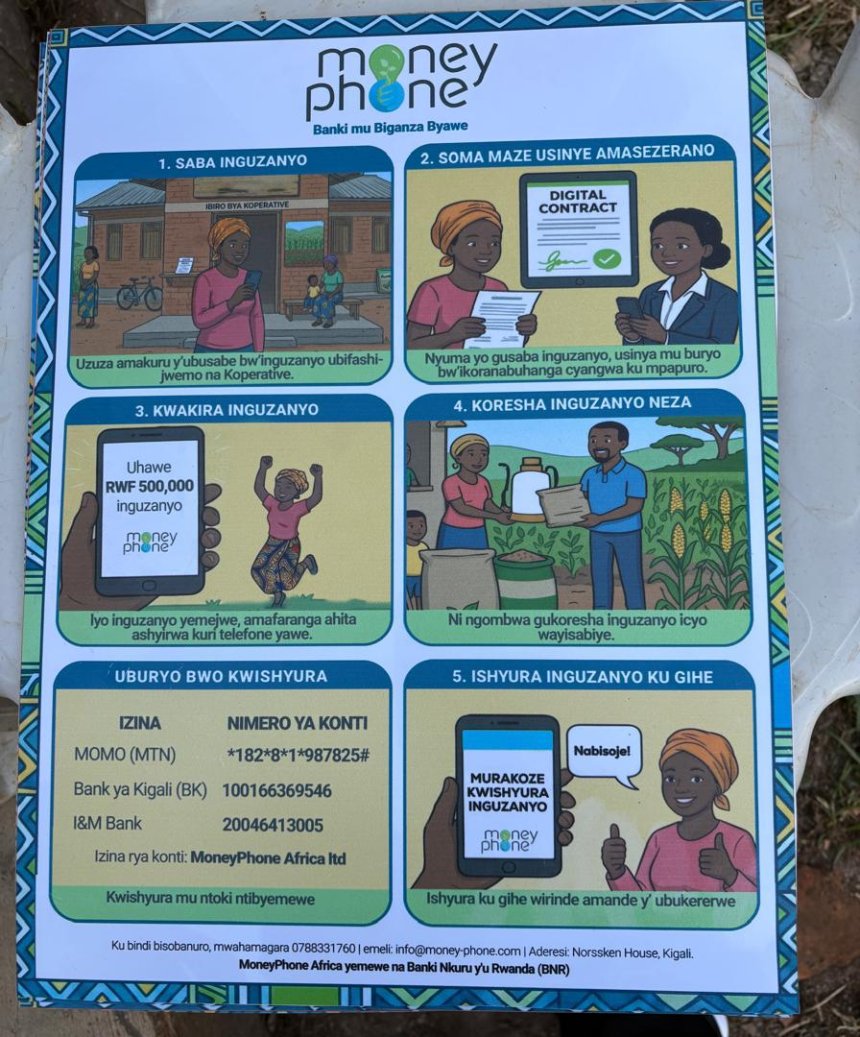
MoneyPhone Finance has developed a digital lending model that allows farmers to access agricultural loans within four to five days without the need for traditional collateral. The platform uses digital applications, production records, transaction history, and artificial intelligence-powered credit scoring to assess loan eligibility while also providing financial literacy and business coaching support.
According to MoneyPhone Finance, more than 1,000 loans have been disbursed over the past ten months, reaching over 4,500 youth and women farmers. The institution has mobilized approximately USD 825,000 in agricultural financing, helping farmers invest in quality inputs, land leasing, labor, and farm expansion.
One of the beneficiaries, Mr. Elie, shared how a loan of approximately RWF 1 million enabled him to purchase improved potato seed, fertilizer, rent land, and hire workers. The investment resulted in the production of about seven tons of potatoes and generated sales exceeding RWF 6.5 million.
Following successful repayment, he qualified for additional financing and expanded his farming enterprise. Today, he employs around 20 casual workers during peak agricultural seasons and supports three permanent employees.
“I now see agriculture as a business that can provide a sustainable livelihood and create employment opportunities for others,” he told the visiting delegation.
The delegation also visited a potato-growing cooperative established in 2016 that currently has 394 members, including women, youth, and persons with disabilities. Cooperative leaders reported that access to financing, improved inputs, and technical training has increased potato yields from approximately five tons per hectare to between 15 and 20 tons per hectare.
The cooperative has received more than RWF 55 million in cumulative loans from MoneyPhone Finance and has maintained a 100 percent repayment record.
The visit highlighted the importance of partnerships in expanding access to agricultural finance. AGRA facilitated strategic linkages between MoneyPhone Finance and the Development Bank of Rwanda (BRD), enabling the lender to access additional capital through the World Bank-supported Commercialization and De-Risking for Agricultural Transformation (CDAT) facility.
Despite the progress, beneficiaries noted that demand for agricultural finance continues to outpace available resources. Farmers called for increased loan ceilings, longer repayment periods, dedicated financing products for cooperatives, and expanded digital inclusion initiatives.
Participants agreed that combining finance with business coaching, financial literacy, and market access support is helping young people view agriculture as a viable pathway to entrepreneurship and employment.
The field visit demonstrated that innovative financing solutions can play a critical role in unlocking opportunities for rural youth, strengthening food systems, and accelerating agricultural transformation across Rwanda.