From Seeds to Markets: AGRA’s Vision to Make Rwanda an Agri-Food Powerhouse
KIGALI, Rwanda — Rwanda’s agricultural transformation has moved from a struggle for basic food security to a more ambitious pursuit: higher productivity, stronger markets, greater investment and a new generation of young people turning agriculture into profitable businesses.

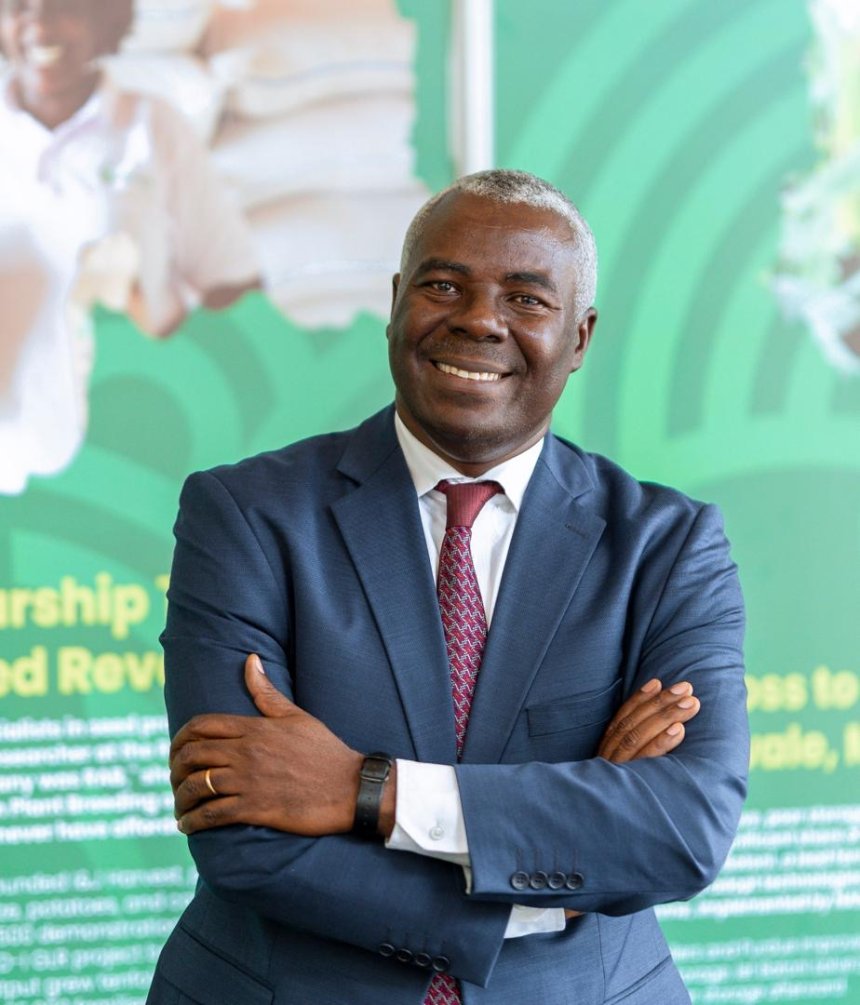
For Jean Paul Ndagijimana, AGRA Rwanda Country Director, the journey is about sequencing the right interventions at the right time — from building scientific capacity and strengthening seed systems to opening markets, unlocking finance and creating opportunities for young people.
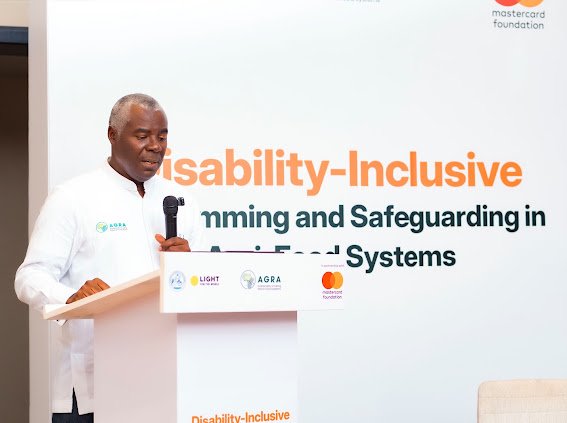
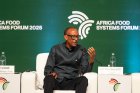
Speaking to KP Media 24 on the margins of the Africa Food Systems Forum (AFSF) 2026 in Kigali, Ndagijimana reflected on AGRA’s 20-year journey in Rwanda and what he believes must come next.
From seeds to a stronger agricultural system
When AGRA began working in Rwanda in 2006, the agricultural sector faced major constraints, including limited access to improved seed, soil erosion and inadequate technical capacity.
“One of the first things they did was an assessment: what is the state of agriculture in Rwanda?” Ndagijimana said.
AGRA initially focused on strengthening human capacity, supporting the training of about 50 scientists in areas including plant breeding, crop protection and animal science.
The next challenge was transforming how farmers accessed agricultural inputs.
At the time, Rwanda depended heavily on imported seed. Ndagijimana recalled that the country imported more than 3,000 metric tonnes of seed.
Working with the Government of Rwanda and the private sector, AGRA supported efforts to develop a domestic seed industry and promote improved varieties.
The results, he said, have been significant.
“Today, we are self-sufficient on seed,” Ndagijimana said, pointing to the growth of the private seed sector from virtually non-existent to about 20 seed companies.
The transformation has also been visible in crop productivity.
Ndagijimana cited maize as one of the clearest examples. In 2006, average maize yields were around 600 kilogrammes per hectare. Today, farmers using improved seed can achieve yields approaching 9.8 tonnes per hectare under the right conditions.
Potato yields have also roughly tripled, while improved cassava varieties have helped farmers achieve substantially higher yields and greater resistance to diseases.
For Ndagijimana, however, improving production is only one part of the equation.
“What’s next?” he asked. “How can we get five tons where we’re getting two tons? Because it’s possible.”
That question defines AGRA Rwanda’s current direction: moving from establishing systems to scaling productivity, markets and investment.
Putting youth at the centre
For Ndagijimana, the future of Rwanda’s agriculture is inseparable from its young population.
With the majority of Rwandans under the age of 35, he argues that agriculture must become a sector where young people can build businesses, earn dignified incomes and see a future.
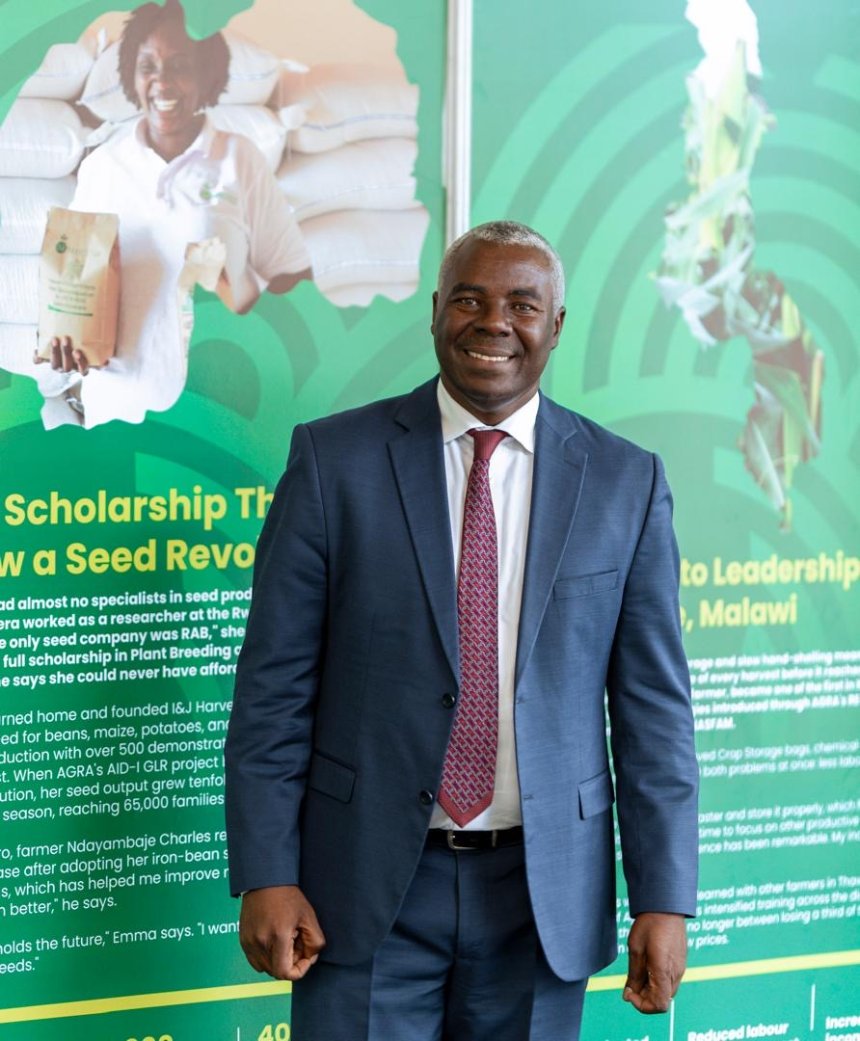
“Why do we focus now on exportable crops?” he asked, explaining AGRA’s growing focus on value chains such as avocado, chilli and French beans, alongside value addition and processing.
The approach is not simply about getting young people onto farms. It is about connecting them to the entire agri-food system — production, aggregation, processing, technology, logistics, finance and markets.
Through partnerships, including with the Mastercard Foundation, AGRA is supporting initiatives designed to create dignified and fulfilling work opportunities for young people.
AGRA has committed to support the creation of 132,000 dignified and fulfilling work opportunities in Rwanda, contributing to the country’s wider employment ambitions.
For Ndagijimana, these must be jobs that can provide young people with sustainable incomes and pathways out of poverty, rather than temporary or casual employment.
He believes this shift is essential if Rwanda is to transform agriculture from a largely subsistence activity into a modern economic sector.
AFSF as a platform for the next generation
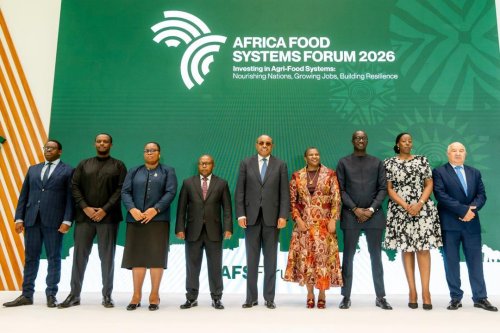
The Africa Food Systems Forum, being held in Kigali, has reinforced Ndagijimana’s belief that Africa’s agricultural future must be built around young people, investment and innovation.
With more than 5,000 participants from over 50 countries, the forum has brought together policymakers, investors, researchers, businesses, farmers and young people to discuss how Africa can build food systems that create jobs, generate wealth and withstand future shocks.
For Ndagijimana, the value of AFSF goes beyond the meetings taking place inside conference rooms.
“It is not small money,” he said, reflecting on the economic activity generated by thousands of visitors coming to Kigali.
But he believes the bigger opportunity is the exchange of knowledge and ideas.
Professors, investors, policymakers, youth and government leaders are bringing experiences from different countries, while Rwanda is also showcasing what it has achieved.
“Rwanda may be a small country, but we are doing a lot,” he said.
He sees AFSF as an opportunity for Rwanda to strengthen its reputation as a country capable of implementing agricultural reforms and creating an environment where investors and innovators can operate.
For young Africans, he said, the forum should also demonstrate that agriculture is no longer simply about farming.
It is about business, technology, innovation, finance, processing, trade and entrepreneurship.
Unlocking finance
Ndagijimana identifies access to finance as one of his two major priorities for AGRA Rwanda going forward.
Commercial banks, he acknowledged, face genuine challenges when lending to smallholder farmers. Agriculture is exposed to weather risks, while serving farmers in remote areas can be expensive for financial institutions.
AGRA is therefore working with financial institutions and government partners to reduce the cost and risks associated with agricultural lending.
Digital finance is part of the solution.
Efforts are underway to digitise savings and lending groups, allowing farmers to access financial services without travelling long distances to bank branches.
AGRA is also working to connect village savings groups with larger financial institutions so that these groups can access additional liquidity and subsequently lend more to farmers.
Ndagijimana wants to see commercial-bank financing to agriculture increase from roughly 3% to 10%.
Special attention is also being given to young women through initiatives such as Value for Her and the Mastercard Foundation-supported Kataza programme, which provide training, mentoring and access to agricultural finance.
Building Rwanda’s innovation hub
AGRA is also working with the Government of Rwanda and other partners to position the country as an agricultural innovation hub.
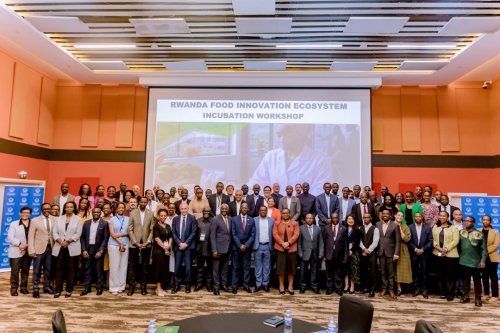
Through the Food Innovation Partnership, the ambition is to create an ecosystem where innovators can test technologies, access finance, navigate regulation and eventually scale their solutions across Africa.
“We want to make Rwanda a space where anybody wants to innovate,” Ndagijimana said.
The vision is for Rwanda to punch above its weight in agriculture, drawing lessons from countries that have built globally competitive agricultural sectors despite their relatively small size.
The next 20 years
As AGRA looks beyond its first 20 years in Rwanda, Ndagijimana says the organisation intends to significantly increase its investment.
AGRA has invested roughly US$32 million in Rwanda over its earlier period of engagement, while its current ambition is to invest about US$50 million between 2023 and 2029.
But Ndagijimana says money alone will not transform agriculture.
The next phase requires stronger markets, better productivity, reduced risks, innovation and young people who see agriculture as an attractive economic opportunity.
His two central priorities are therefore clear: unlock finance and strengthen markets.
“Don’t be happy with a farmer making two tons of maize per hectare,” he said. “We have places where they’re making six tonnes.”
The same philosophy applies to livestock, processing and exports: Rwanda should not settle for what is merely possible today when higher productivity and greater value are achievable.
For Ndagijimana, the future of Rwanda’s agriculture lies in thinking beyond survival and aiming for scale.
“If you actually want to be rich, get the land,” he said. “The future billionaires will be farmers.”
As AFSF 2026 brings Africa’s agricultural leaders together in Kigali, that message captures the transformation Ndagijimana wants to see: an agriculture sector driven by young people, powered by innovation, financed for growth and connected to markets far beyond Rwanda’s borders.