Rwanda Expects Milk Shortage to Ease as Rains Return.
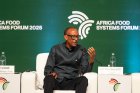
Rwanda expects the shortage of milk that has affected the market in recent months to ease after an animal disease outbreak was brought under control and rainfall resumed, Prime Minister Justin Nsengiyumva told Parliament on October 2, 2026.

Nsengiyumva said prolonged changes in weather patterns and the livestock disease had contributed to a decline in milk production, particularly over the previous two months.
He said the disease had now been contained, allowing livestock markets to reopen, while prices of animal products such as meat had also started to fall.
“We also expect milk to become available again because the rains have started,” he said.
The government’s statement comes after months of reduced milk supply linked to poor weather conditions, limited water and shortages of pasture.
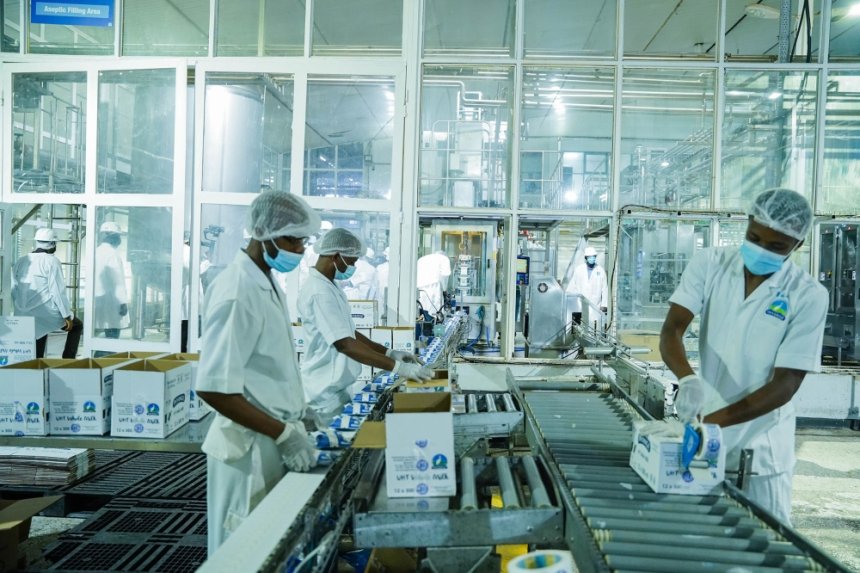
In early September, an inspection of nine shops in Kigali’s Gishushu, Nyarutarama and Gisimenti areas found that only one had milk in stock. Inyange Industries had also attributed a significant decline in milk production to the prolonged dry season.
Farmers in different parts of the country reported sharp declines in milk production as cattle struggled with limited access to water and grass.
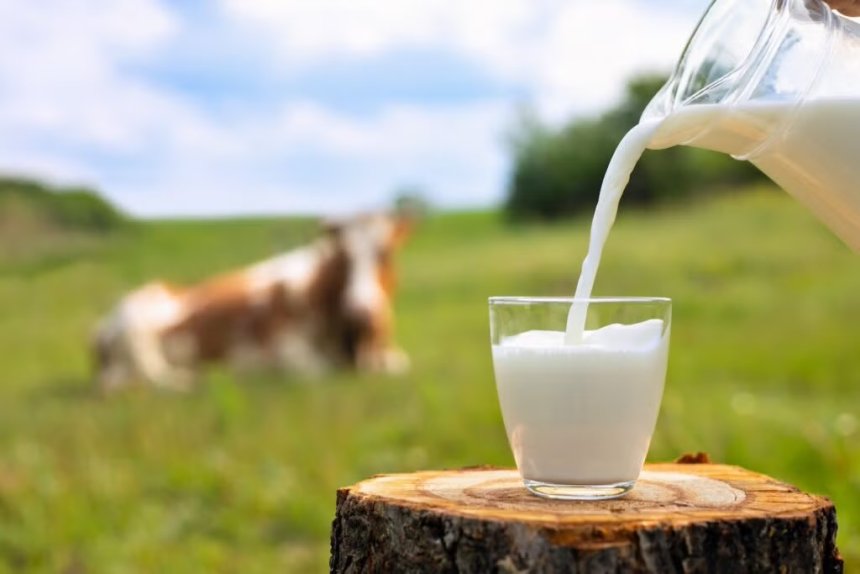
A farmer in Nyagatare, for example, said his daily milk production had fallen from nearly 100 litres to less than 20 litres.
Another farmer in Gicumbi said a cow that previously produced about 10 litres of milk a day was producing only around two litres.
Earlier last month, reports from Nyabugogo found that the price of a carton of Inyange milk had reached as much as Frw19,000in some shops. One retailer said they had previously sold the same carton to customers for about Frw8,500, but that wholesale prices had increased.
Prices have varied across Kigali, with some supermarkets continuing to sell the carton at around Frw8,500 while prices at some ordinary retail shops have been significantly higher.
The milk shortage has been closely linked to the wider impact of the dry season on livestock production, with farmers repeatedly citing a lack of water and pasture as major constraints.
With rainfall returning and the livestock disease brought under control, the government expects milk production and supply to recover in the coming period.