Rwanda Extends Cervical Cancer Vaccination to Women Aged 30–45.
Rwanda has expanded its cervical cancer vaccination programme to include women and girls aged 30 to 45, in an effort to accelerate national efforts to eliminate the disease by 2027.

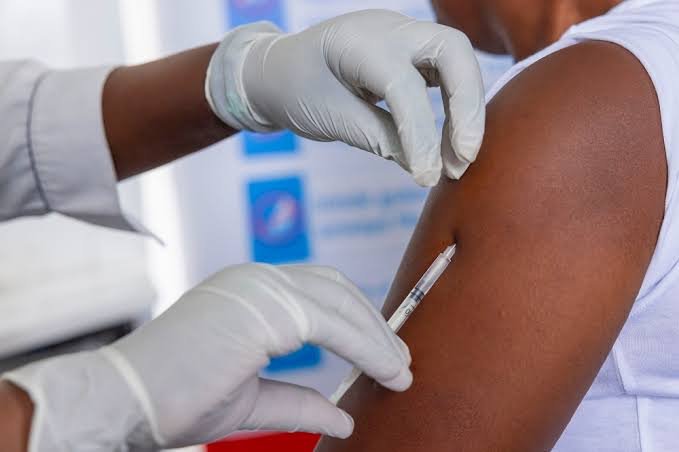
A joint announcement by the Ministry of Health and the Rwanda Biomedical Centre (RBC), issued on November 16, 2026, said the vaccine is available free of charge at all health centres across the country.
Those seeking vaccination are required to present a national identity card or another document confirming their age.
Eligible women and girls will receive two doses, with the second administered six months after the first.
“In this expanded programme, eligible women and girls will receive two doses of the cervical cancer vaccine. The second dose will be administered six months after the first,” the announcement stated.
The expansion complements Rwanda’s existing vaccination programme targeting girls aged 12, as well as cervical cancer screening services available to women and girls in different age groups.
Cervical cancer remains a major health concern
The Ministry of Health and RBC said cervical cancer is among the few types of cancer that can be prevented and successfully treated when detected early.
According to RBC, cervical cancer is the second most common cancer among women in Rwanda and accounts for 13 per cent of all cancer cases.
By extending vaccination to women aged 30–45, the country aims to broaden protection against the disease while strengthening existing prevention and early-detection efforts.
Rwanda aligns programme with WHO elimination targets.
The expanded vaccination programme comes as the World Health Organisation (WHO) urges countries to meet its global 90-70-90 targets for eliminating cervical cancer by 2030.
Under the targets, 90 per cent of girls should be fully vaccinated against human papillomavirus (HPV), the virus responsible for most cervical cancer cases, by the age of 15.
The strategy also calls for 70 per cent of women to undergo cervical cancer screening by the ages of 35 and 45, while 90 per cent of women diagnosed with cervical disease should receive appropriate treatment.
Rwanda’s expanded vaccination initiative is part of broader efforts to prevent new infections, increase screening and ensure that women diagnosed with the disease receive timely care.