We Must Change the Way We Think About Agriculture,” Rwanda PM Tells 5,000+ at AFSF 2026
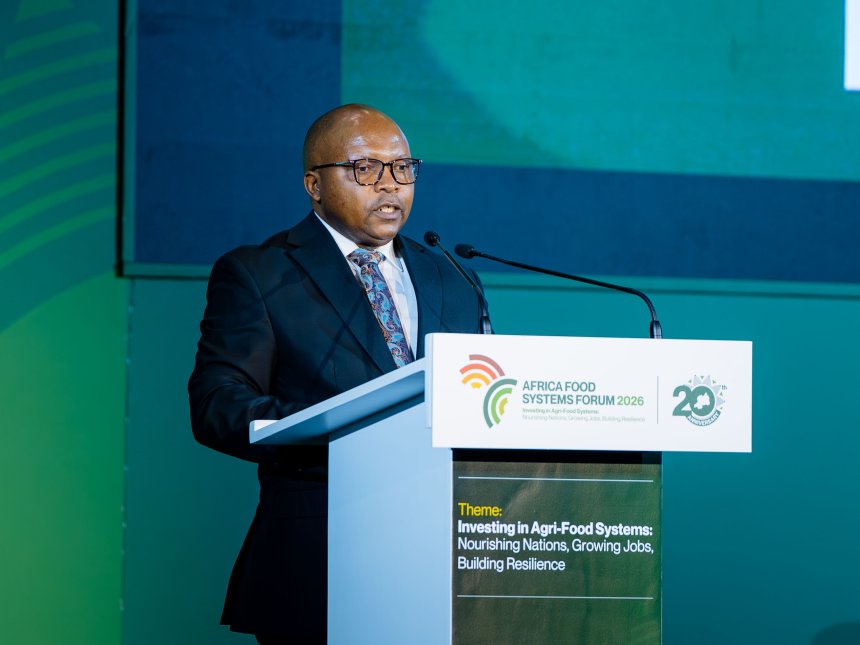
KIGALI, September 2, 2026 — Africa must fundamentally change the way it thinks about agriculture and recognise it as a modern engine of opportunity, innovation, jobs and prosperity, Rwanda’s Prime Minister Justin Nsengiyumva has said.

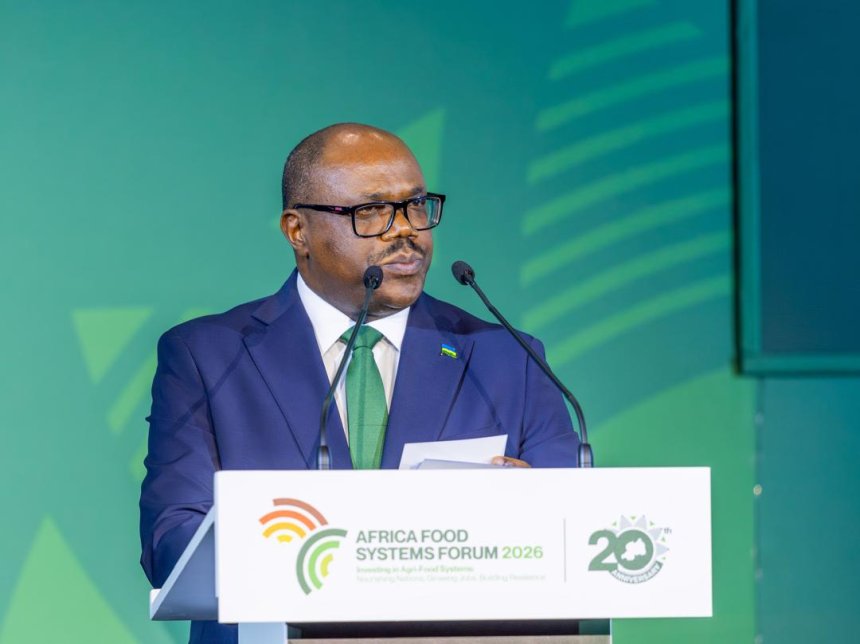
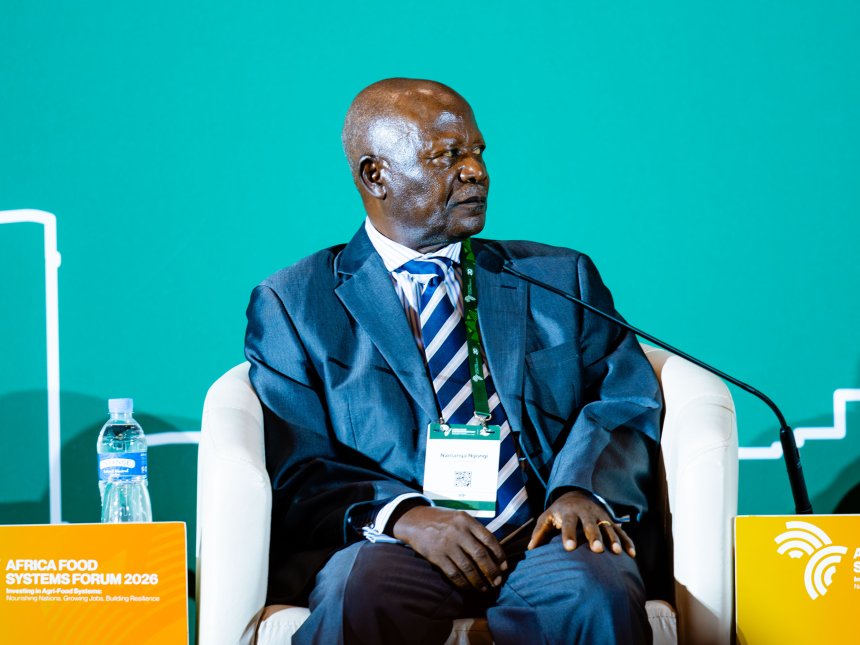
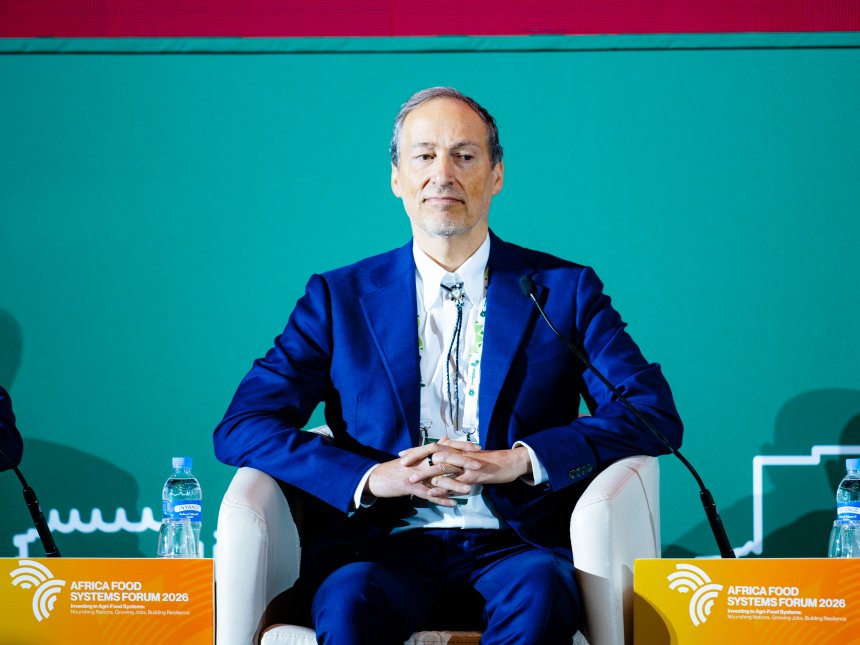
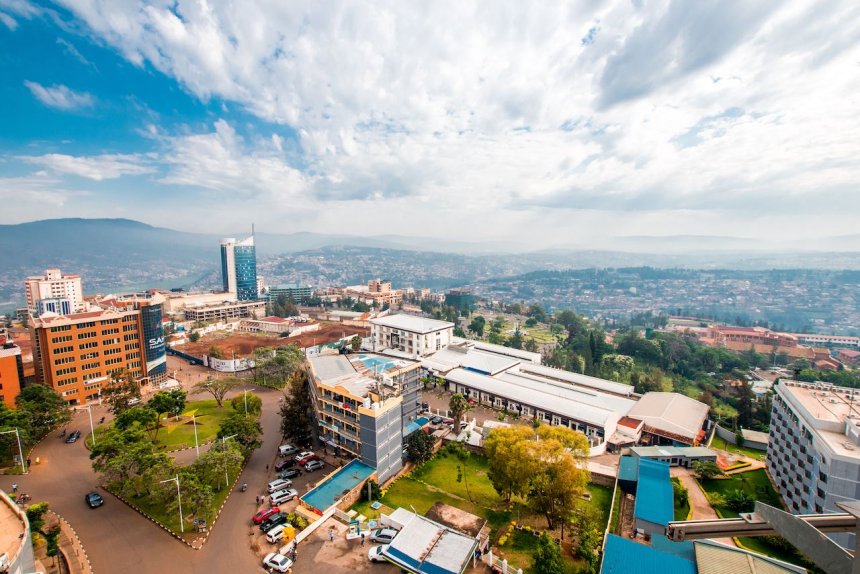
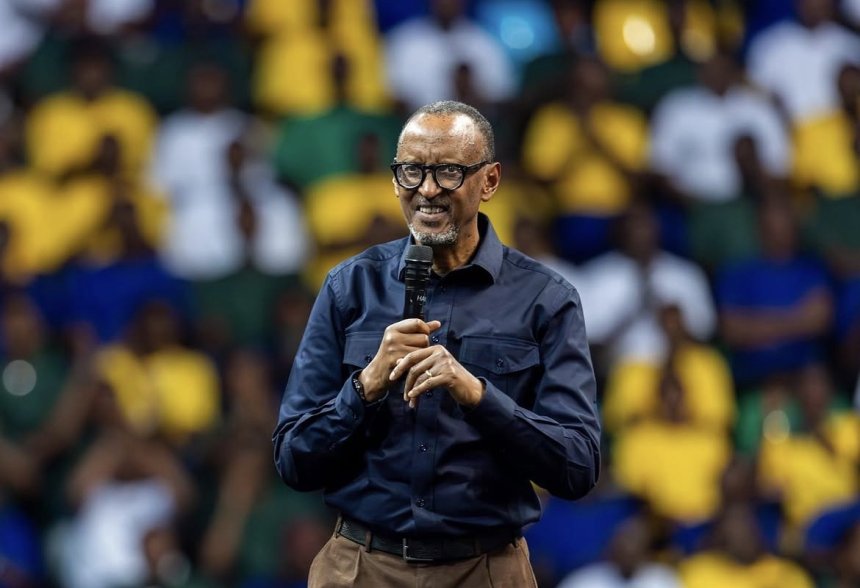
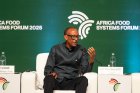
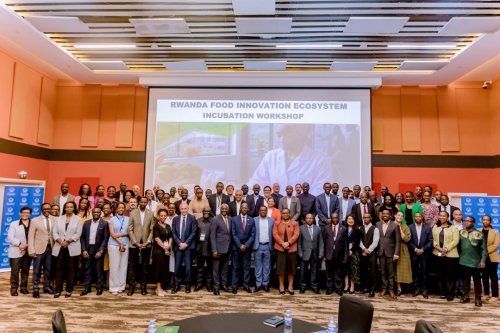
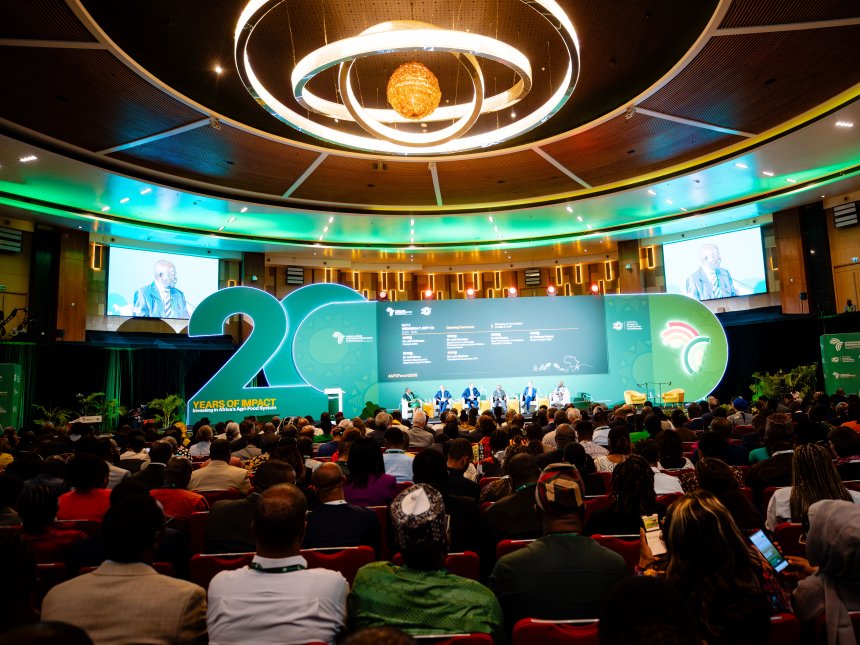
Speaking at the official opening of the Africa Food Systems Forum (AFSF) 2026 in Kigali, Prime Minister Nsengiyumva made the call as more than 5,000 participants from 50 countries gathered for the continent’s major food-systems convening, taking place from 31 August to 4 September 2026.
The forum brings together political leaders, farmers, businesses, investors, development partners, researchers, women and young people around a common ambition: accelerating investment and transforming Africa’s food systems.
The 2026 edition carries additional significance as it coincides with AGRA’s 20th anniversary, marking two decades of efforts to support agricultural transformation across Africa.
Against this backdrop, the Prime Minister challenged stakeholders to change the perception of agriculture, particularly among Africa’s young population.
“We must change the way we think about agriculture.”
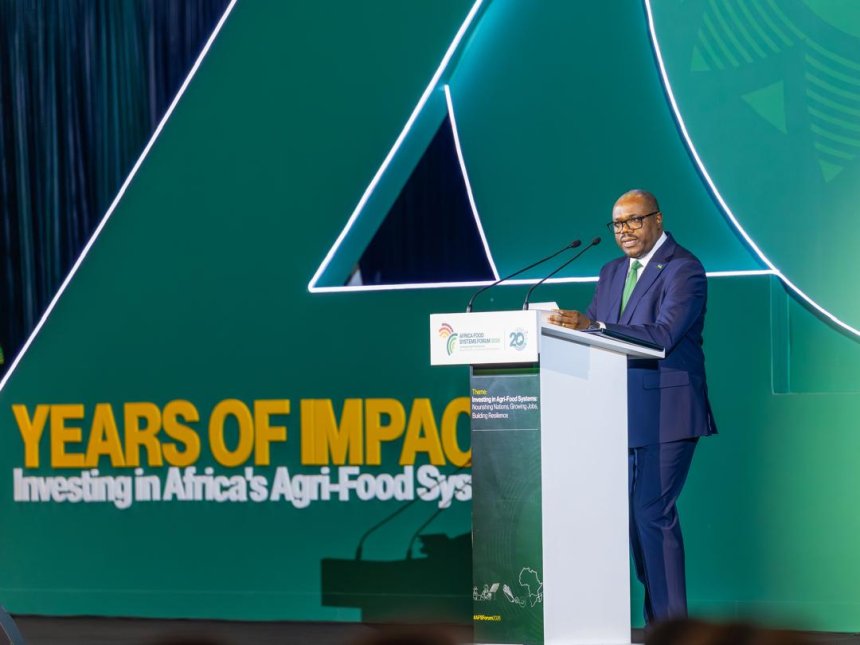
He urged young Africans to stop viewing agriculture as a sector of last resort and instead see it as a modern and thriving sector offering opportunities for income, innovation, enterprise and pathways to prosperity.
“Our youth should start seeing agriculture not as a sector of last resort, but as a modern and thriving sector, full of opportunities.”
Turning Africa’s potential into prosperity
Prime Minister Nsengiyumva said Africa has enormous agricultural potential, including abundant land, water resources, sunshine and a dynamic population capable of powering the transformation of its food systems.
Yet, he noted, the continent continues to face hunger and food insecurity.
“We need to turn potential into productivity. And we need to turn productivity into prosperity for all Africans.”
He said food-systems transformation must ensure nutritious food reaches every household, create dignified work for young people and expand opportunities for women.
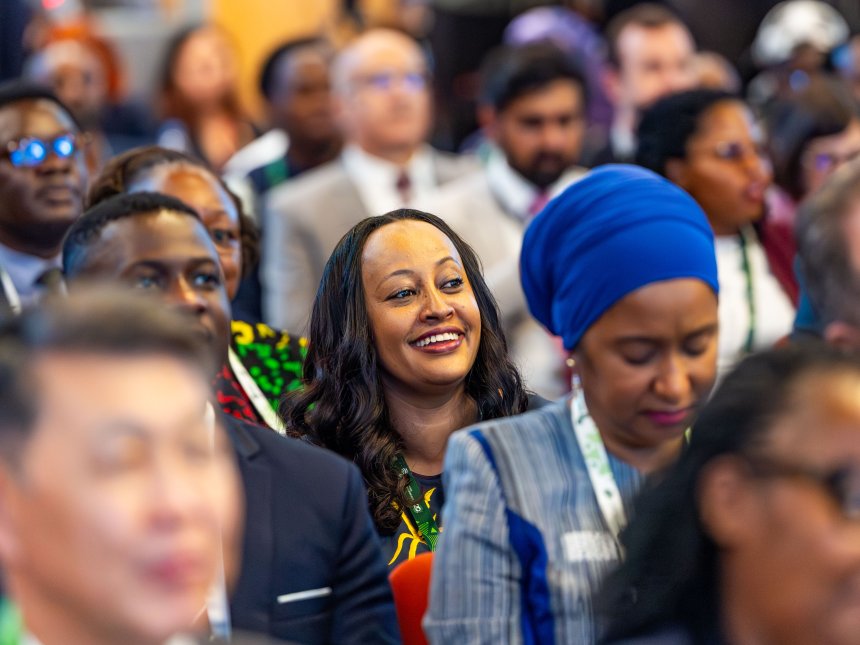
It must also build enterprises across the entire value chain—from agricultural inputs and production to storage, transport, processing and markets.
The Prime Minister called on the private sector to look beyond agriculture as a narrow or inherently risky activity, pointing to opportunities in logistics, irrigation, energy, digital services, insurance, processing and retail.
He stressed the importance of partnerships that connect capital to these opportunities while ensuring that value is fairly shared, especially with smallholder farmers, women and young people.
Invest in entire food systems
Prime Minister Nsengiyumva challenged participants to reflect on three critical questions: whether Africa is turning its commitments into credible and investable plans; whether investment is strengthening entire food systems rather than isolated components; and how successful innovations can be scaled across countries and communities.
He emphasised that agriculture cannot thrive in isolation.
“A productive farm cannot thrive without roads, energy, irrigation, storage, finance, logistics, processing and reliable markets.”
He called for a holistic approach to food-system investment and stronger efforts to remove the barriers that prevent farmers and food businesses from growing.
The Prime Minister also urged stakeholders to scale solutions that are already working across the continent, saying Africa has no shortage of promising innovations and successful examples. The challenge, he said, is to finance, adopt and deploy them at scale while ensuring that growth delivers better nutrition, dignified employment and greater resilience.
A cultural welcome to Africa
The official opening also showcased Rwanda’s culture and hospitality.
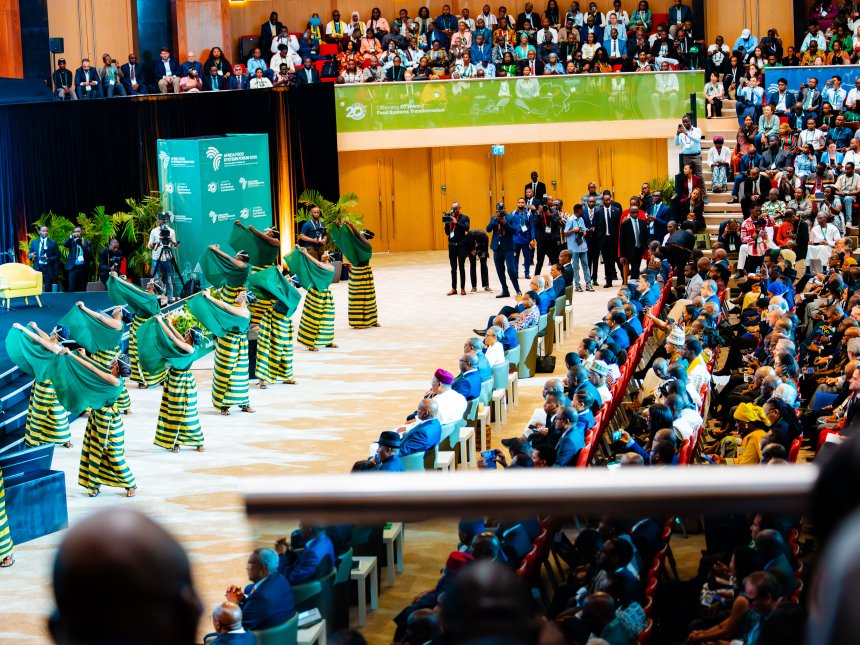
Delegates from more than 50 countries were welcomed through vibrant performances featuring traditional songs, drums, dancers and Intore, creating a distinctly Rwandan atmosphere as thousands of food-systems leaders gathered in Kigali.
Inganzo Ngari and traditional performers entertained participants with cultural songs, drumming and dance, while the Intore performance added a powerful expression of Rwanda’s heritage to the opening ceremony.
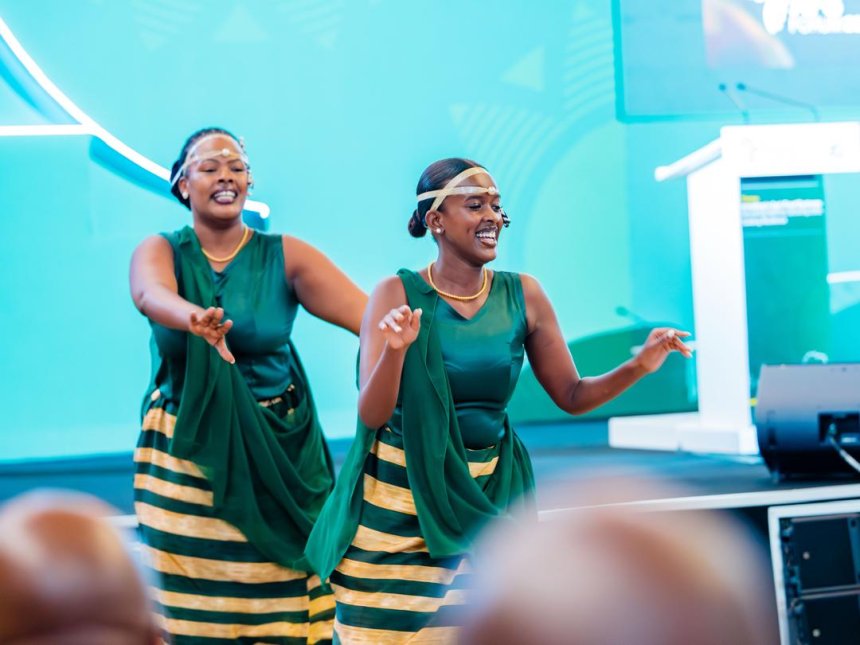
The cultural presentation provided a fitting welcome to a forum centred on Africa’s shared future bringing together the continent’s rich traditions with discussions on innovation, investment and transformation.
From Kigali to action
As AFSF 2026 continues, Prime Minister Nsengiyumva said the success of the gathering should ultimately be measured by what happens beyond the conference rooms.
No single government, business or organisation, he said, has all the answers or resources needed to transform Africa’s food systems.
“No single government, business or institution has all the answers, or all the resources that are required. But together, we can work better.”
He called on participants to make Kigali a place where partnerships translate ambition into tangible results.
“I hope that Kigali will be more than a place where ideas are exchanged. I hope it will be a place where capital meets opportunity, innovation meets markets, and partnerships turn ideas into action, and action into results for the people of Africa.”
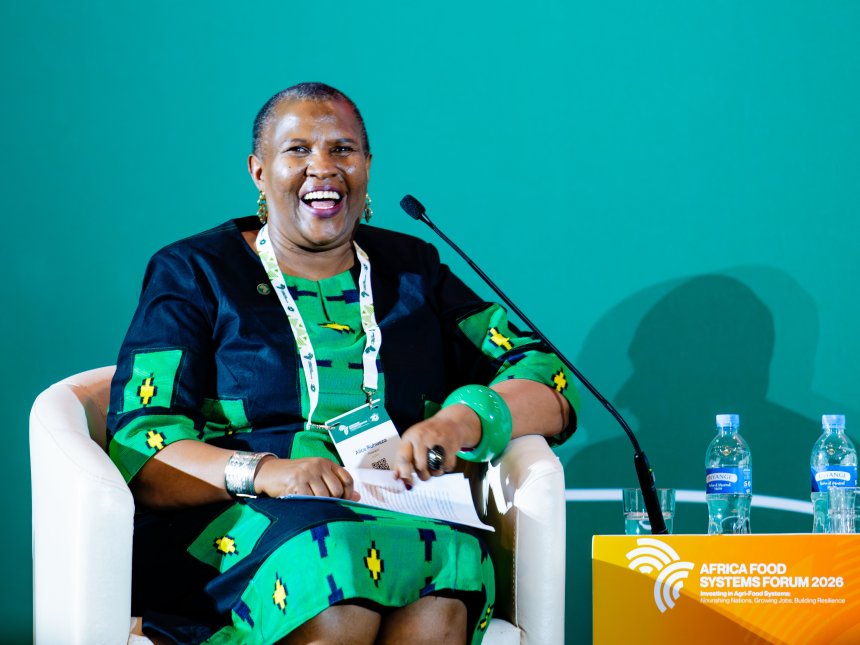
With more than 5,000 participants from 50 countries, AFSF 2026 has placed Kigali at the centre of Africa’s conversation on food systemswhile AGRA’s 20th anniversary provides an important moment to reflect on two decades of progress and renew the continent’s commitment to building productive, resilient and inclusive food systems that create prosperity for all.