274 Rwandans Held Hostage by FDLR Return Home from DR Congo.
A total of 274 Rwandans from 69 families who had been held hostage by the FDLR armed group in the Democratic Republic of Congo (DRC) have returned to Rwanda, with some crossing through the Rusizi 1 border post while others were received in Rubavu.

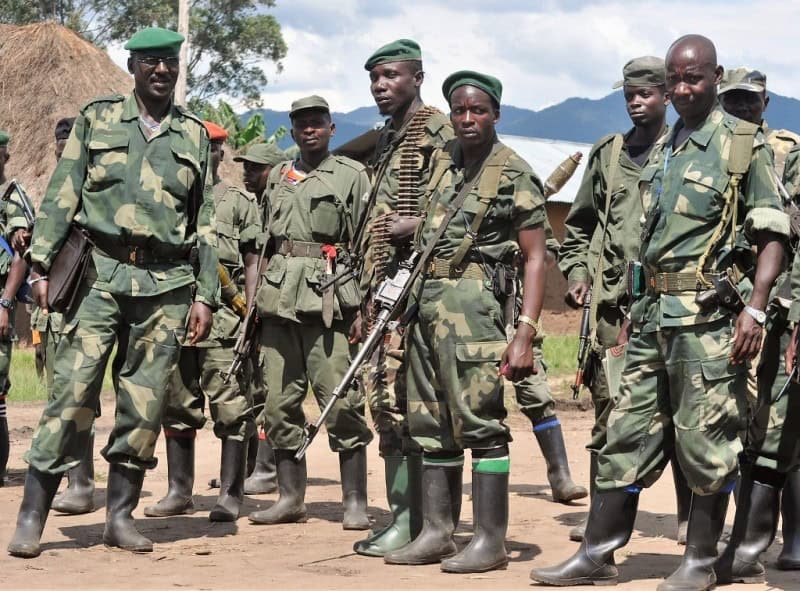
Some of those who returned said they had been afraid to come home because of misleading information they had been given about security in Rwanda.
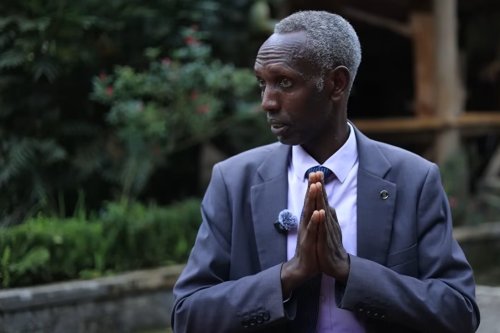
Alfred Niyitegeka, 52, said he moved to the DRC in 1996 but endured difficult living conditions because of recurring conflict in the country.
“I had lost the way back home. I tried to return but could not because of the wars. This forced me to come alone, leaving my wife and children behind in that country,” he said.
Chantal Mukakalisa had returned to Rwanda earlier. She went to receive her three children, whom she had left behind in the DRC, saying she had been welcomed and supported when she first arrived in Rwanda.
“When we arrived in Rwanda, we were received well and given assistance. After they showed me where I came from and I reached the cell level, I decided to bring my children because I had come alone and left all three of them in Congo,” she said.
Mukakalisa said she had been back in Rwanda for six years and found the country very different from how it had been portrayed to her while she was in the DRC.
She said she received support, including payment of her community-based health insurance contributions for a full year. She added that she found Rwanda secure and full of opportunities to improve her livelihood.
“I found that what they were saying about Rwanda was just rumours. When I arrived, they welcomed us and explained how far the country had progressed. We realised that others had moved ahead of us. Now we have also started working to improve our lives,” she said.
“When I arrived, they paid my health insurance contributions for an entire year. I now pay for it myself. You can see that life is possible here. I encourage others still there to come home so that we can work together to build our country,” she added.
Mukakalisa said her children had not had adequate opportunities to attend school, but her immediate priority was to enrol them in education.
“My eldest daughter was the only one attending school in Congo, but she dropped out because of the difficult living conditions. Now that they have joined me at home, I will take them to school so they can study like other Rwandan children,” she said.
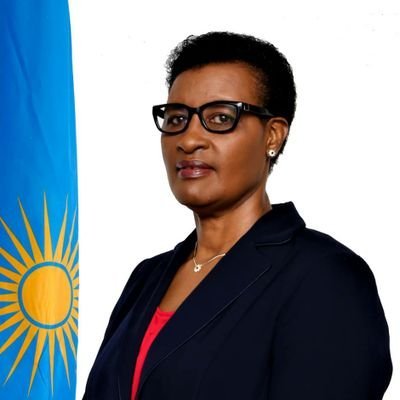
Rusizi District Acting Mayor Fred Rwiririza said misleading information about Rwanda was one of the main reasons some Rwandans who had sought refuge in the DRC continued to remain in forests instead of returning home.
“When you talk to them, they tell you that what has kept them from returning is the false information they have been given that things are not good in Rwanda. This makes them afraid to come back. That, in fact, is what has prevented many of them from returning,” he said.
Asked why most returnees are women and children, Rwiririza said some men were still in the forests, where they were involved with armed groups.
“Some refuse to talk about it, while others are open about it, but many of the men are in the forests with armed groups. That is why I have been telling them that when they reach Rwanda, they should get a phone and call their husbands, because even the men who have returned have not faced any problems,” he said.
The returnees include 41 families comprising 158 people from North Kivu Province and 28 families totalling 116 people from South Kivu Province.